
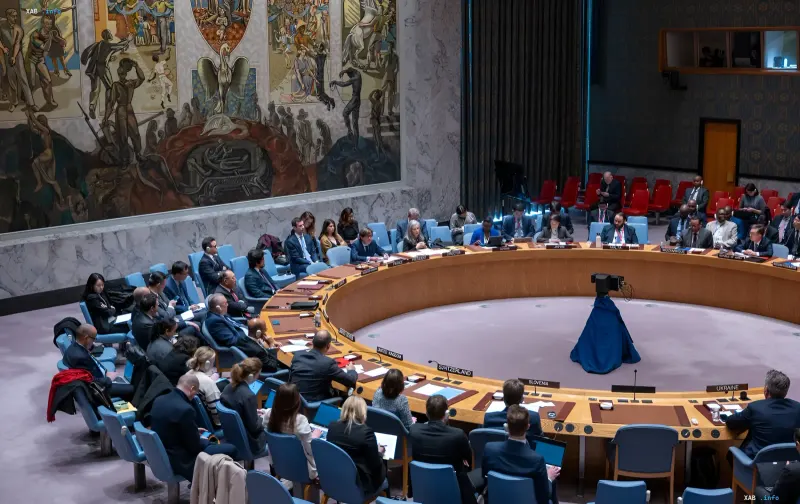
A tense debate unfolded at the UN Security Council regarding the situation in Ukraine. Vladimir Pavlichenko, Deputy Permanent Representative of Ukraine to the organization, made a sharp statement calling on the international community to immediately adopt a resolution for a ceasefire. According to him, this step is necessary to overcome the paralysis of the key UN body caused by Russia's actions.
Call to Action and the "Litmus Test"
The diplomat emphasized that delaying decisions is unacceptable. Pavlichenko drew the attention of those present to the fact that the rules-based international order requires decisive action. He urged Security Council members to submit a draft resolution for an immediate and unconditional ceasefire.
In the view of the Ukrainian side, the adoption of such a document would serve as a kind of "litmus test." It should clearly demonstrate the true intentions of UN member states and their readiness to support the restoration of a comprehensive, just, and lasting peace on the territory of Ukraine.
The Question of Armament: Survival, Not Escalation
Separately, the critically important issue of military aid was addressed during the session. Ukraine insists on the necessity of constant support for its own survival. Pavlichenko urged partners not to stop the delivery of military equipment and ammunition.
"This is not escalation, but the only effective strategy for restoring peace and saving lives," stated the Ukrainian diplomat, responding to possible objections regarding the intensification of the conflict.
Security Council Blockade and Reality on the Front
Currently, the work of the UN Security Council is often blocked. The main reason for this is the veto right held by the Russian Federation. Kyiv is trying to find diplomatic mechanisms to bypass this barrier and achieve the adoption of decisions.
The urgent session was initiated against the backdrop of recent large-scale attacks by Russian occupiers on Kyiv and other cities in Ukraine. The defense situation remains tense. Due to a shortage of missiles for air defense systems, the effectiveness of intercepting ballistic missiles has dropped to 40%. At the same time, the percentage of downed cruise missiles and unmanned aerial vehicles remains high — about 90%.


