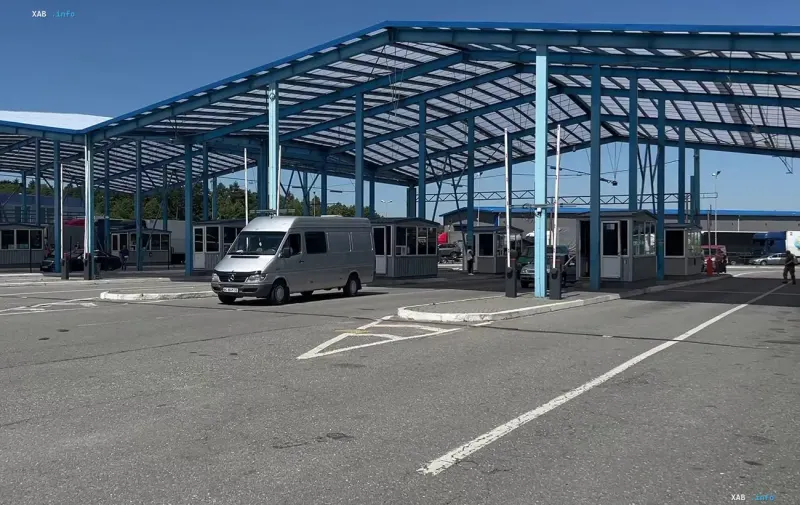
Ukrainian authorities are holding active negotiations with Poland and Slovakia regarding the temporary relocation of customs and border control deep into the territory of neighboring states. This initiative has been prompted by a sharp deterioration in the security situation in border regions, where Russian drones regularly target vehicle queues carrying grain and agricultural produce. This was announced by Georgy Tikhyi, a spokesman for the Ministry of Foreign Affairs of Ukraine, who noted that Kyiv aims to reach agreements with European partners as quickly as possible.
Logistics Security and New Threats to Exports
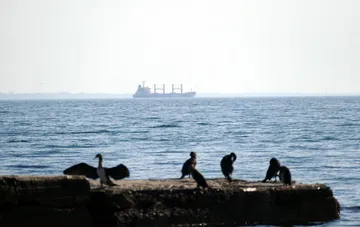
Regular Russian drone strikes on border checkpoints and transport arteries pose a critical threat to Ukrainian agricultural exports. With the Black Sea maritime route practically blocked, the country has been forced to reorient shipments to overland, river, and railway routes through Europe. However, the accumulation of trucks in border queues makes them vulnerable targets for aerial attacks, significantly disrupting supply schedules and increasing trader costs.
Cooperation Experience with Moldova and Neighbors' Stance
Kyiv already has successful experience implementing similar initiatives along the Moldovan border. According to Daniela Misail-Nichitin, Minister of Internal Affairs of Moldova, due to shelling threats, Chișinău has already withdrawn its border guards and customs officers from four checkpoints on Ukrainian territory. The parties are currently discussing the possibility of organizing joint control, where Ukrainian services would perform their functions on Moldovan soil. The Ukrainian government intends to introduce a similar approach on the border with Poland and Slovakia.
Logistics Difficulties and Alternative Routes
Problems with exporting agricultural produce are exacerbated by restrictions in European markets and infrastructural barriers. According to Ukrainian Agriculture Minister Taras Vysotsky, attacks on ports and logistics hubs have cut exports by roughly half: in September, the country exported 2.4 million tons of produce, representing 46% of its potential. Shipments via the Danube and Baltic ports face capacity shortages, seasonal river shallowing, and high costs. Furthermore, the embargo on Ukrainian grain imports by several neighboring countries leaves only the transit format open.
Significance of the Initiative for the Future of Ukrainian Trade
Relocating border control deep into neighboring countries could become a key solution to protect drivers, vehicles, and export cargoes from direct strikes. Implementing this measure will reduce risks for supply chains, ensure the stability of food exports, and alleviate pressure on border areas. Amid the ongoing conflict, the flexibility of logistical routes and cooperation with European partners remain the primary conditions for preserving Ukraine's trade potential.