On the night of Saturday, August 15, 2026, the Armed Forces of Ukraine launched a devastating long-range strike against strategic targets deep within Russian territory. The key target was the State Rocket and Space Center (SRC) 'Progress' in Samara, located 900 kilometers from the Ukrainian border. Information about the strike was officially confirmed by the General Staff of the Armed Forces of Ukraine and President Volodymyr Zelenskyy, stating that the 'long-range sanctions' plan had been executed.
Strike with a 1.1-ton warhead and threat to 'Aviakor'
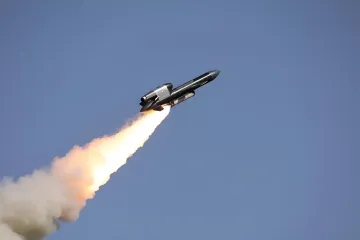
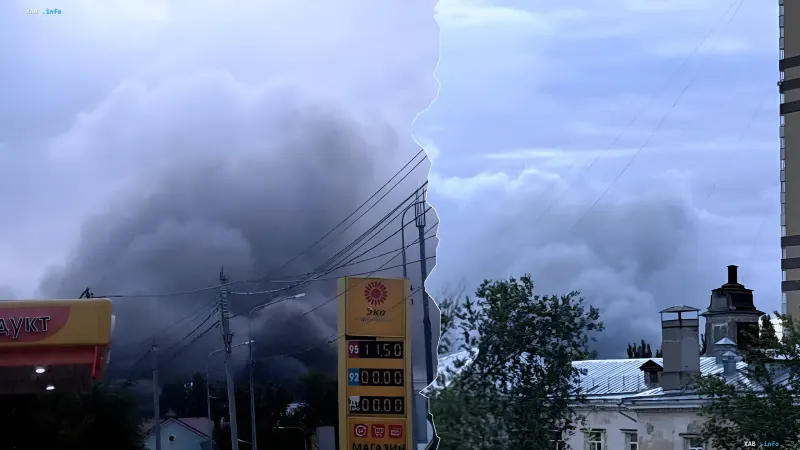
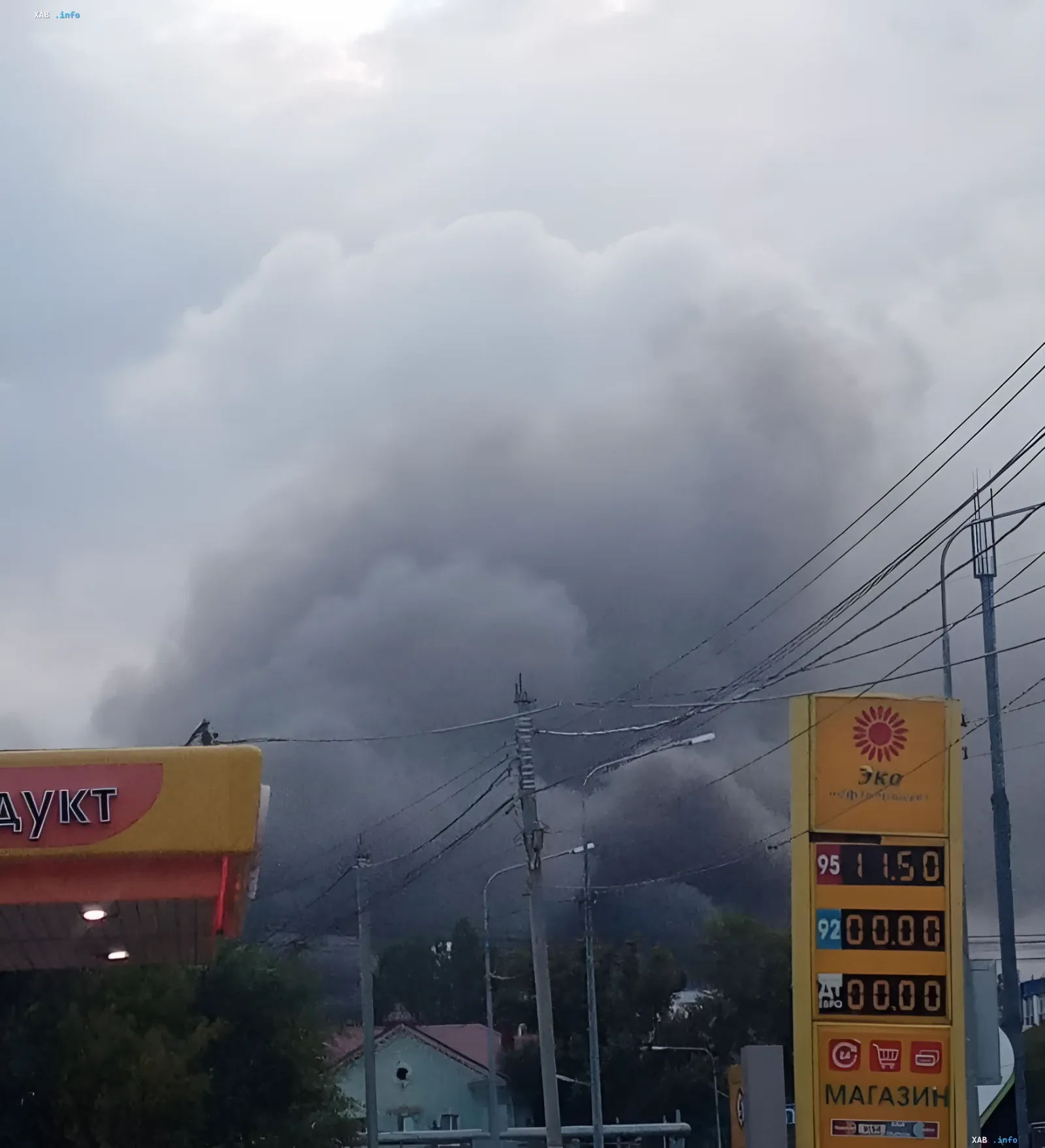
The attack utilized the latest Ukrainian FP-5 'Flamingo' cruise missiles developed by Fire Point. With a range exceeding 3,000 km and the ability to navigate terrain at extremely low altitudes, the missiles bypassed Russian air defense systems without hindrance. Around 03:40 AM, residents of Samara recorded the passage of jet projectiles and two massive explosions.
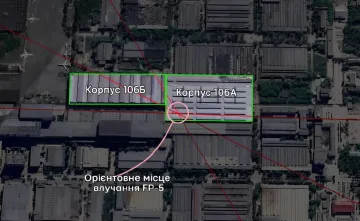
According to OSINT analysts, the epicenter of the explosion and the subsequent large-scale fire was located in the western part of the industrial complex. This area houses the main assembly shops of the SRC 'Progress', bordering directly with the 'Aviakor' aviation plant (which deals with the repair and modernization of military aircraft). Judging by the area of the fire, the strike hit not only production lines but also unique high-tech equipment and rockets in the final stages of assembly.
Strike against 'Russian Starlink' and 'Kalibr' production
The destruction of 'Progress' workshops inflicts critical damage on both Russia's defense and space programs. The enterprise is a monopoly producer of the 'Soyuz-2.1b' family of launch vehicles. It is with their help that the Russian Ministry of Defense places military optical reconnaissance satellites into orbit. Furthermore, the attack paralyzes the deployment of the Russian satellite constellation 'Rassvet' — an ambitious analog of the Starlink system.
The President of Ukraine also emphasized that the Samara plant produced electronics critically important for the navigation systems of 'Kalibr' and Kh-101 cruise missiles. The loss of this production node could significantly slow down the pace of Russia's military industry.
Complex raid: 'Savasleika' and Ust-Luga
Samara was not the only hotspot that night. Simultaneously, the Armed Forces attacked the 'Savasleika' military airfield in the Nizhny Novgorod region (700 km from Ukraine), where MiG-31K fighters — carriers of 'Kinzhal' aeroballistic missiles — are based. Impacts and strong fires were recorded on the airbase territory.
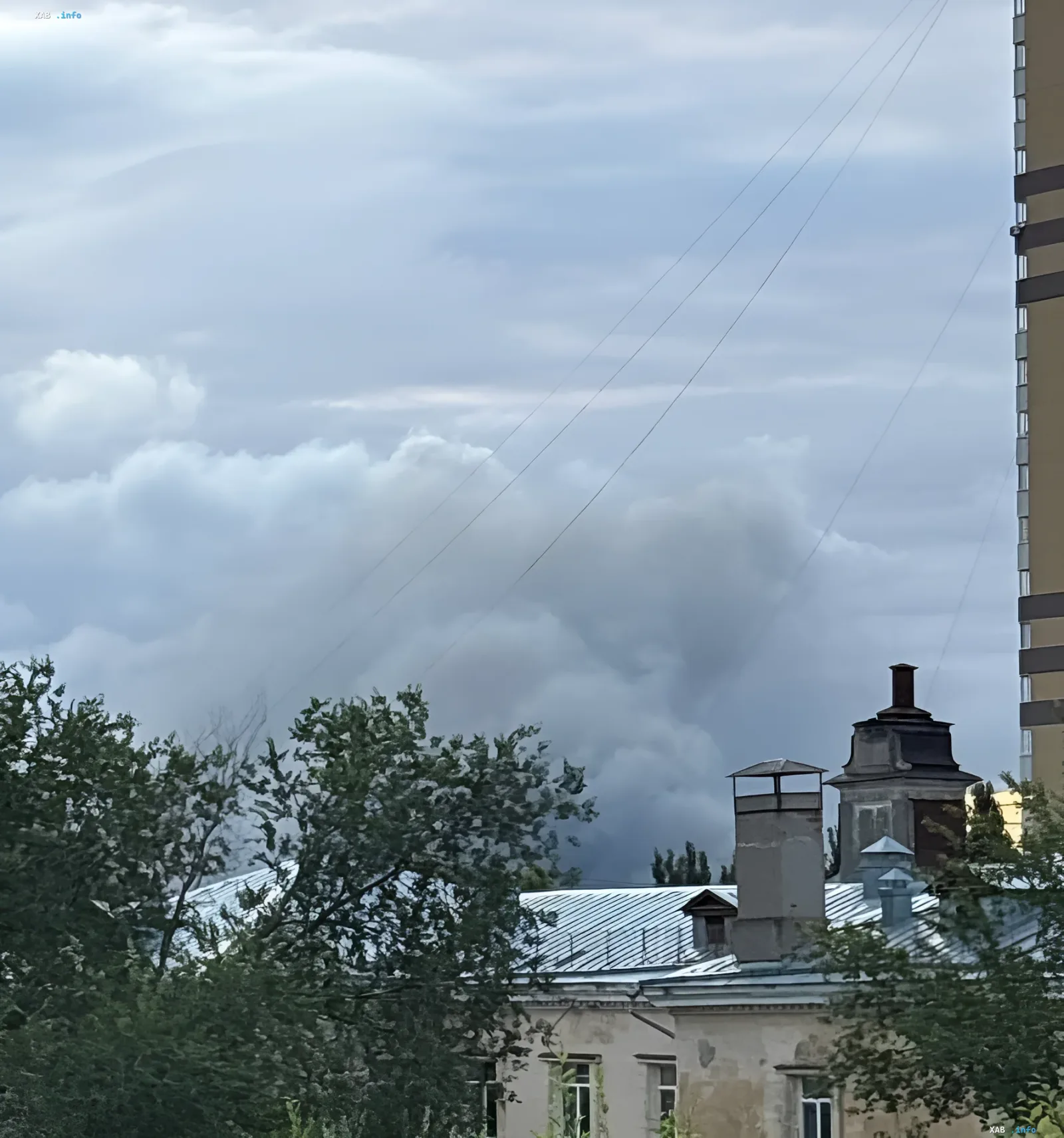
The third confirmed target was a major oil facility in Ust-Luga, Leningrad Oblast. The Russian Ministry of Defense announced the destruction of 598 drones in other regions, completely omitting the catastrophic strikes on Samara and Savasleika. As Volodymyr Zelenskyy summarized, 'our plan of long-range sanctions against Russia is being executed, and it is important that its military potential is reduced'.