Sharp increase in activity: interception statistics
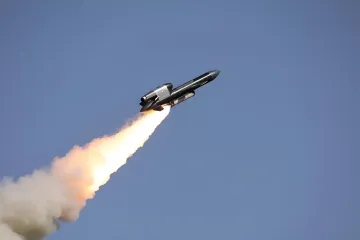
Summer 2026 became a turning point in the tactics of Ukrainian strikes on the territory of the Russian Federation. According to an analysis of data published by the Russian Ministry of Defense, the number of attacks using domestically produced cruise missiles called «Flamingo» doubled over the last six months. While the ministry reported intercepting 31 missiles of this type between February and May, the situation changed radically starting in June. According to analysts, the Russian side claimed to have destroyed at least 57 «Flamingo» missiles during the summer period alone.
The dynamics of the last two weeks were particularly alarming for Russian air defenses. During this short period, at least 25 missiles were claimed to have been shot down. Such a concentration of attacks indicates that the Ukrainian side is not merely testing new capabilities but has moved to the active and systematic use of this weaponry. This is confirmed by the fact that at least four successful strikes were recorded in the summer that were not intercepted by the air defense system.
Strike targets: hitting the MIC and infrastructure
The strategic goal of using «Flamingo» missiles is obvious — to inflict damage on the Russian military-industrial complex (MIC). The missile, with a declared range of up to 3000 km, allows Ukraine to strike targets deep in the enemy's rear, bypassing border zones. Key targets this year have been enterprises critical for the production of ammunition and military equipment.
Among the confirmed attacks are strikes on strategic objects in Russia's industrial centers. In particular, on the night of August 15, 2026, the «Progress» Rocket and Space Center in Samara was attacked by a «Flamingo» missile. This fact was officially reported by Ukrainian President Volodymyr Zelenskyy. Earlier, on July 24, the «Vyatskoye Mashinostroitelnoye Predpriyatiye „Avitek“» in Kirov was hit. These facilities play a key role in the production of components for rocket systems and artillery, making them a priority for Ukrainian intelligence.
Chronology of summer operations
An analysis of events shows a clear escalation in the use of «Flamingo» throughout 2026. The first significant strike in the series of summer attacks occurred on June 10, when the infrastructure of «VNIIR-Progress» in Cheboksary was attacked. The next strike followed on June 27 against the «Titan-Barricades» plant in Volgograd, known for ammunition production. The use of «Flamingo» in these cases was confirmed either personally by President Zelenskyy or by the missile manufacturer — Fire Point.
These events demonstrate that «Flamingo» are gradually displacing Western missiles and becoming the main tool for long-range strikes. The ability to hit targets in the Volga region and the Urals changes the balance of power, forcing Russian command to redistribute air defense resources that were previously concentrated on protecting border regions and southern directions.
Contradictory data
Despite the obvious activity, there are discrepancies in the interpretation of data by both sides. Ukraine officially does not disclose the exact number of missiles used, citing operational secrecy. At the same time, the Russian Ministry of Defense regularly publishes reports on interceptions, although independent sources cannot always confirm every claim of missile «destruction». Sometimes claims of interception are not accompanied by visual evidence or data on target damage.
Furthermore, there is a discrepancy in the assessment of effectiveness. The Russian side insists that the vast majority of missiles are shot down, however, the facts of successful strikes on major enterprises (such as in Samara or Kirov) suggest the opposite. This creates an information vacuum where both sides use statistics to form their own narrative: Russia — about the reliability of air defenses, Ukraine — about the ability to deliver pinpoint strikes to the rear.
Conflict prospects
According to experts, «Flamingo» may finally become the main Ukrainian missile for long-range strikes. Increased production rates and successful application in real combat conditions allow Ukraine to wage an asymmetric war, striking at the enemy's economic potential. A range of 3000 km opens access to objects in Siberia and the Far East, making the threat large-scale and difficult to predict for the Russian defense system.