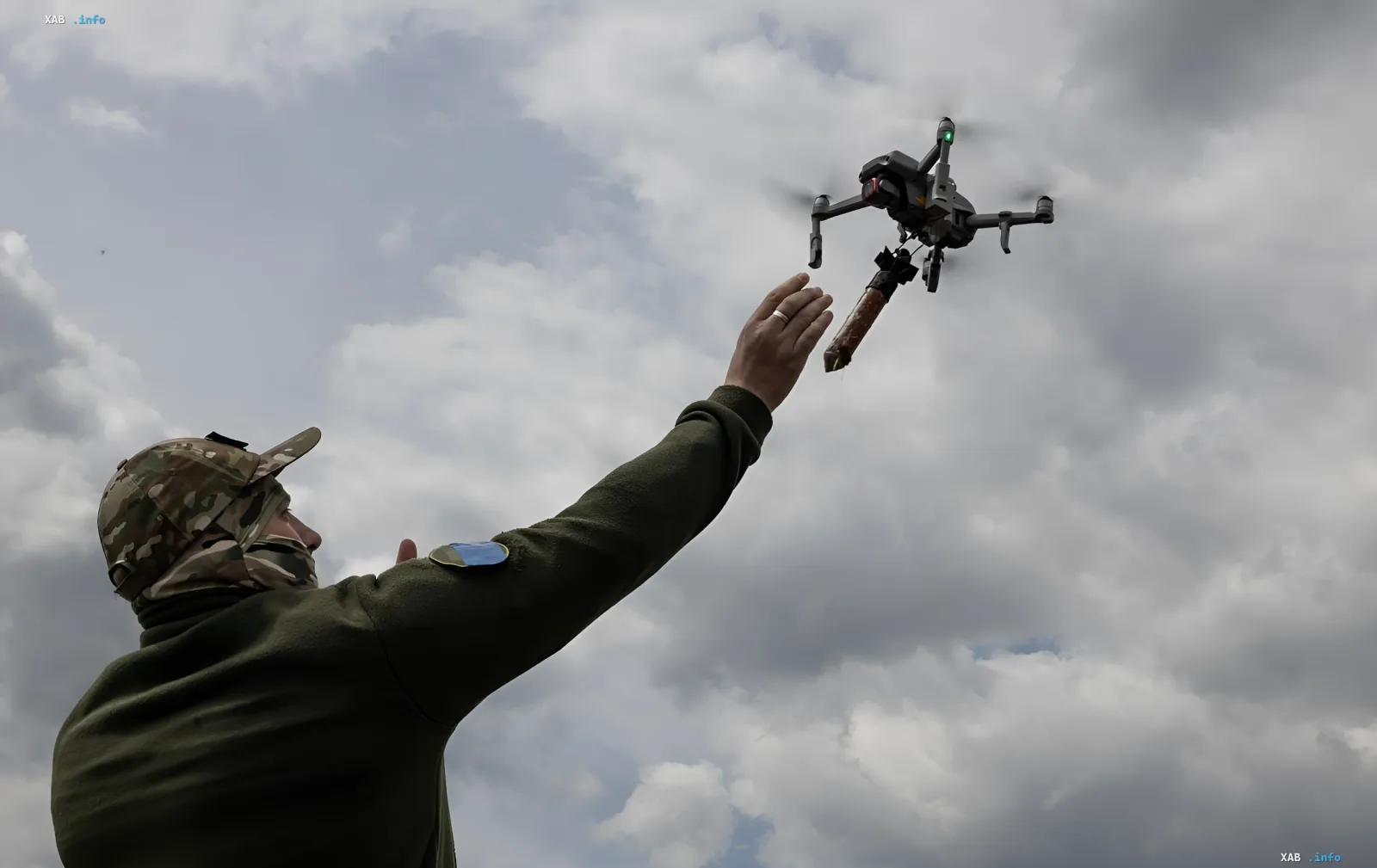
Amidst the active phase of hostilities and the unprecedented expansion of defense production in Ukraine, the issue of import dependence remains one of the key challenges. Contrary to popular slogans about complete autonomy, experts and representatives of the defense industry agree: a complete rejection of imported components for weapon production is economically unfeasible and technologically impossible in the short term.
Global supply chains versus localization
As noted in an RBK-Ukraine article specializing in the analysis of the composition of Ukrainian drones, the country should not attempt to produce absolutely all parts independently. Instead, the strategy should be built on a hybrid model: a combination of global supply chains with the localization of critical technologies.
There is a clear division between components that need to be controlled and those that are more profitable to purchase on the global market. Critical segments requiring localization or strict control are elements that directly affect combat effectiveness. These include:
- Sensors and communication systems;
- Navigation modules;
- Components ensuring resistance to electronic warfare (EW);
- Nodes that could become a "bottleneck" in logistics.
At the same time, the purchase of non-critical components should be carried out globally — where it is faster and cheaper. According to Boris Budeyansky, director of the technology company BlueBird Tech, in modern warfare, the decisive factor is not the quantity of components, but the guarantee of their availability the next day. Ukraine must not just assemble drones, but control their technological foundation.
Stimulating domestic manufacturers
Representatives of the NAUDI analytical center point to the need for state intervention to stimulate the use of the Ukrainian component base. This refers not only to price criteria but also to the introduction of standards similar to European ones. In the EU, requirements for the origin of components and materials from which they are made can be extremely strict.
The optimal model for the development of Ukraine's defense industry, according to market players, is aimed at ensuring production continuity and technological independence in key areas. Today, Ukraine is one of the largest markets for defense components, and the prospects for domestic parts production are linked to scaling, democratic prices, and variability for a specific customer.
International cooperation and new developments
The Ukrainian defense sector is actively developing international partnerships. In particular, projects for joint drone production abroad are being launched. In cooperation with Norway, the Netherlands, Romania, and Germany, a model is being implemented where Ukraine provides combat experience and technology, while European partners provide financing and production capacity.
Parallel to the expansion into external markets, the pace of domestic missile production is increasing within the country. The private defense sector is already producing three "Flamingo" missiles per day. A sharp increase in these figures is expected after enterprises complete the transition to domestically developed engines.
Despite progress in localization, dependence on imported components persists. Some of them have already become scarce, confirming the thesis of the need for a balanced strategy: rejection of imports where critical, and active use of global supplies where profitable.


