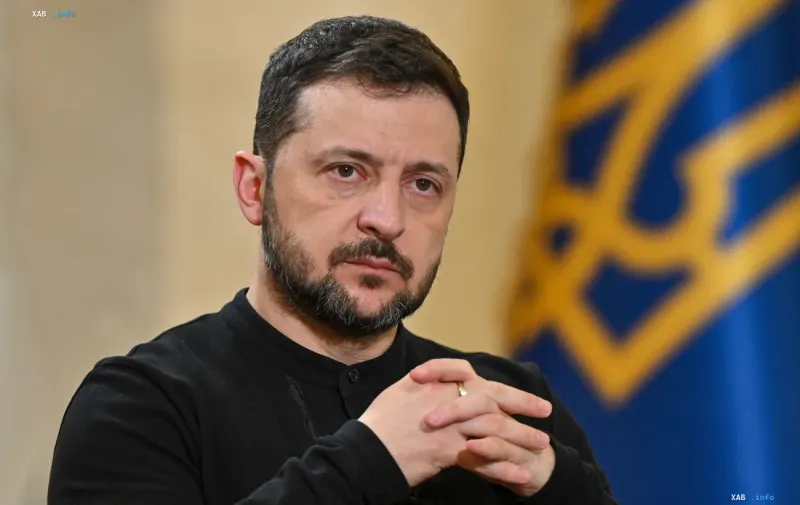
Ukrainian President Volodymyr Zelenskyy has enacted the decision of the National Security and Defense Council on large-scale sanctions against individuals and legal entities ensuring the production of Russian ballistic missiles and supplies for the defense-industrial complex. The restrictions targeted key enterprises supplying raw materials, components for drones, military aviation, armored vehicles, and missile weapons, as well as dozens of citizens and companies involved in military supply chains.
Large-Scale Restrictions Against the Missile Industry
The first sanctions list includes 51 individuals and 44 legal entities involved in the manufacture of ballistic missiles used to strike Ukrainian infrastructure and cities. This list includes key enterprises that produce and supply raw materials, equipment, and tools for creating long-range strike weapons such as the Iskander, Kalibr, Kh-101, and Kinzhal missile systems. Additionally, sanctions have been applied against 32 Russian citizens and 35 Russian companies providing high-precision industrial equipment and electronics.
Blow to the Aluminum Industry and Raw Material Chains
A separate block of sanction measures includes restrictions on enterprises of the Russian industrial group RUSAL, which play a critical role in supporting Russian aggression and are involved in the manufacture of military aviation, armored vehicles, and drones. According to investigative data, from April 2024 to March 2025 alone, United Company RUSAL Trading House and Taishet Aluminum Plant imported aluminum oxide into Russia worth almost 150 million rubles. The supply of this strategic raw material was directly channeled to the needs of the defense industry for the production of weapons and drones.
Background and Strategic Significance of Sanctions Policy
The new restrictive measures continue the systematic work of the Ukrainian authorities to block supply channels for the Russian military machine. Back in August, Ukraine introduced four large-scale sanctions packages aimed at several key links in the system ensuring military aggression. Experts note that expanding personal and sectoral restrictions to engineers, technologists, crypto exchanges, and logistics chains significantly complicates Moscow's efforts to bypass international embargoes and finance military developments.
Political Consequences and Further Steps
The introduction of new sanctions packages increases pressure on Russia's technological and financial infrastructure, depriving it of the ability to unhindered procurement of dual-use components. Ukraine's international partners are expected to continue synchronizing similar restrictions aimed at eliminating loopholes in the supply of rare earth metals, microelectronics, and raw materials for missile production.