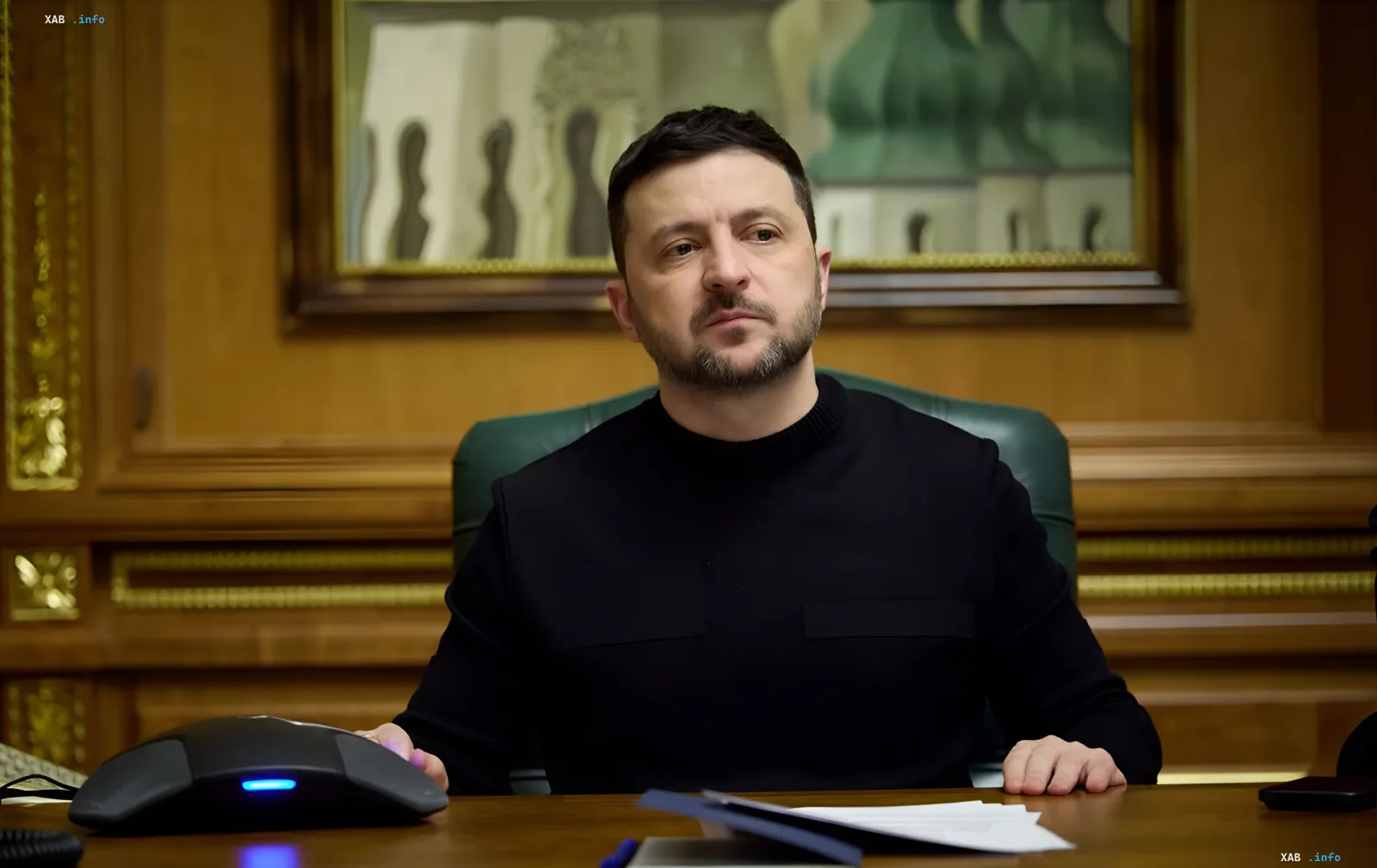
Ukrainian authorities have taken another decisive step in their sanctions policy, striking at the communications infrastructure supporting the occupation regime. The country's President, Volodymyr Zelenskyy, signed a decree implementing the decision of the National Security and Defense Council (NSDC) to impose restrictions on ten Russian mobile operators and internet service providers.
Technology in the service of occupation
The basis for including these companies on the "blacklist" was their direct involvement in supporting the life of the Russian military administration in temporarily occupied territories. According to the President's Office, these companies perform critically important functions for the aggressor: they provide confidential communication channels for Russian authorities, ensure internet access in controlled zones, and broadcast Russian television channels.
The goal of these restrictions is not just a symbolic gesture but a real blockade of these structures' activities outside Russia. Ukraine plans to share full information about the individuals and entities involved with international partners to synchronize sanction measures in other jurisdictions.
Strategy of isolating "toxic" business
Advisor and Presidential Commissioner on Sanctions Policy Vladyslav Vlasjuk emphasized that any commercial activity in occupied territories is illegal. In his interpretation, companies serving the occupiers become "toxic" for global business. This means that international partners and financial institutions will be forced to sever ties with them to avoid secondary sanctions and reputational losses.
Global pressure on the Russian economy
Kyiv's actions are taking place against the backdrop of intensified economic and political pressure on Russia from the European Union. Brussels recently proposed a new, 21st package of sanctions covering critical economic sectors: energy, financial services, trade, cryptocurrency, and fisheries.
A feature of the new European restrictions will be a complete ban on entry into the EU for former Russian military personnel involved in the aggression against Ukraine. Simultaneously, EU diplomacy is preparing individual restrictions against another 80 Russian organizations and individuals. This blow is aimed at enterprises of the Russian military-industrial complex, Kremlin propagandists, and human rights violators.
According to official data, more than 2,600 entities from Russia are already under EU sanctions. Experts estimate the total losses for the Kremlin from EU pressure at $1.5 trillion.


