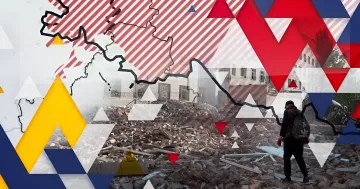
The discussion surrounding the possibility of the US obtaining diesel fuel from Russia, US President Donald Trump's statements about Ukraine's political future, and Britain's commitment to maintaining support for Kyiv highlight growing divisions in the West's response to the conflict. While Washington seeks a pragmatic solution, London and many European countries continue to emphasize the need to maintain pressure on Moscow. Behind these seemingly disparate steps lies a more crucial question: will US policy adjustments lead to peace, or will they alter the strategic balance and put the future of European security at an unpredictable crossroads?
Energy Pragmatism and Kyiv's Reaction
On October 11, President Trump announced that Russia had agreed to supply hundreds of thousands of tons of diesel fuel to US and world markets, and potentially millions of tons depending on the productivity of Russian refineries. In Washington, energy supply issues are viewed through the lens of market demand and economic interests. Under Trump's pragmatic approach, profitable deals may be pursued despite political disagreements. Kyiv views the problem from the opposite perspective: Ukrainian President Volodymyr Zelenskyy criticized the easing of sanctions without a de-escalation agreement, calling it a sign of weakness.
The Political Future of Ukraine's Leadership
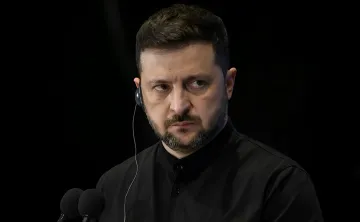
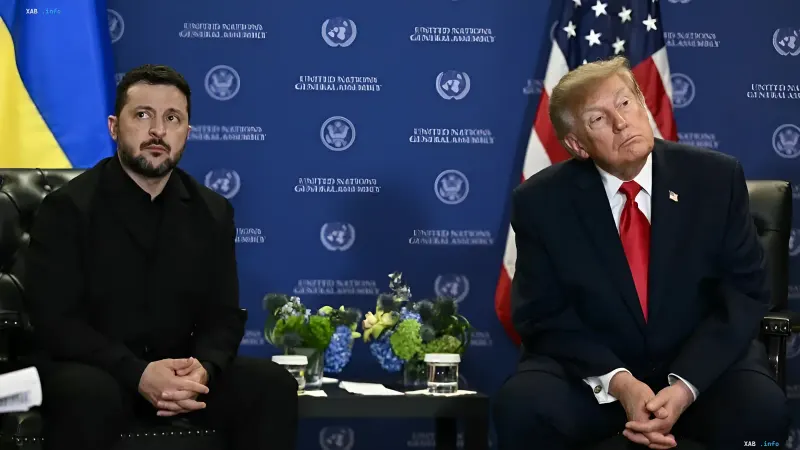
Trump's statement that Ukraine needs a new president further exacerbated tensions between Washington and Kyiv. This statement placed Zelenskyy's political future at the center of the discussion on how to end the conflict, while also raising questions about Ukraine's sovereignty and self-determination. For Kyiv, wartime elections are not merely a political decision, as they must strictly comply with the constitution, account for the security situation, and protect the rights of all citizens.
Contradictory Data
The main disagreement lies in the timing and conditions of concessions. The diesel fuel agreement does not yet constitute a complete lifting of US sanctions, though analysts diverge in assessing its real scale and impact on allied coordination. If the US administration ties economic adjustments to verifiable security commitments, it could boost diplomacy. At the same time, critics fear that Russia will gain economic benefits without a corresponding de-escalation.
International Support and the European Vector
On October 14, the UK leadership reaffirmed its steadfast support for Kyiv during official meetings and expressed readiness to step up sanctions against Moscow. Earlier, during a visit to Kyiv in early October, German representatives announced a major military aid package and funds for restoring energy infrastructure. Differences in approaches between Washington and European capitals are most evident in the timing, conditions, and scope of measures required for a settlement.