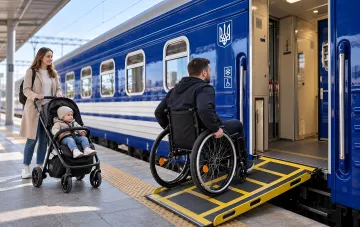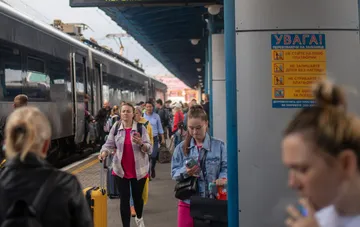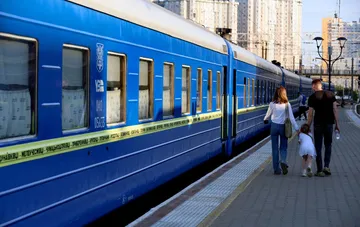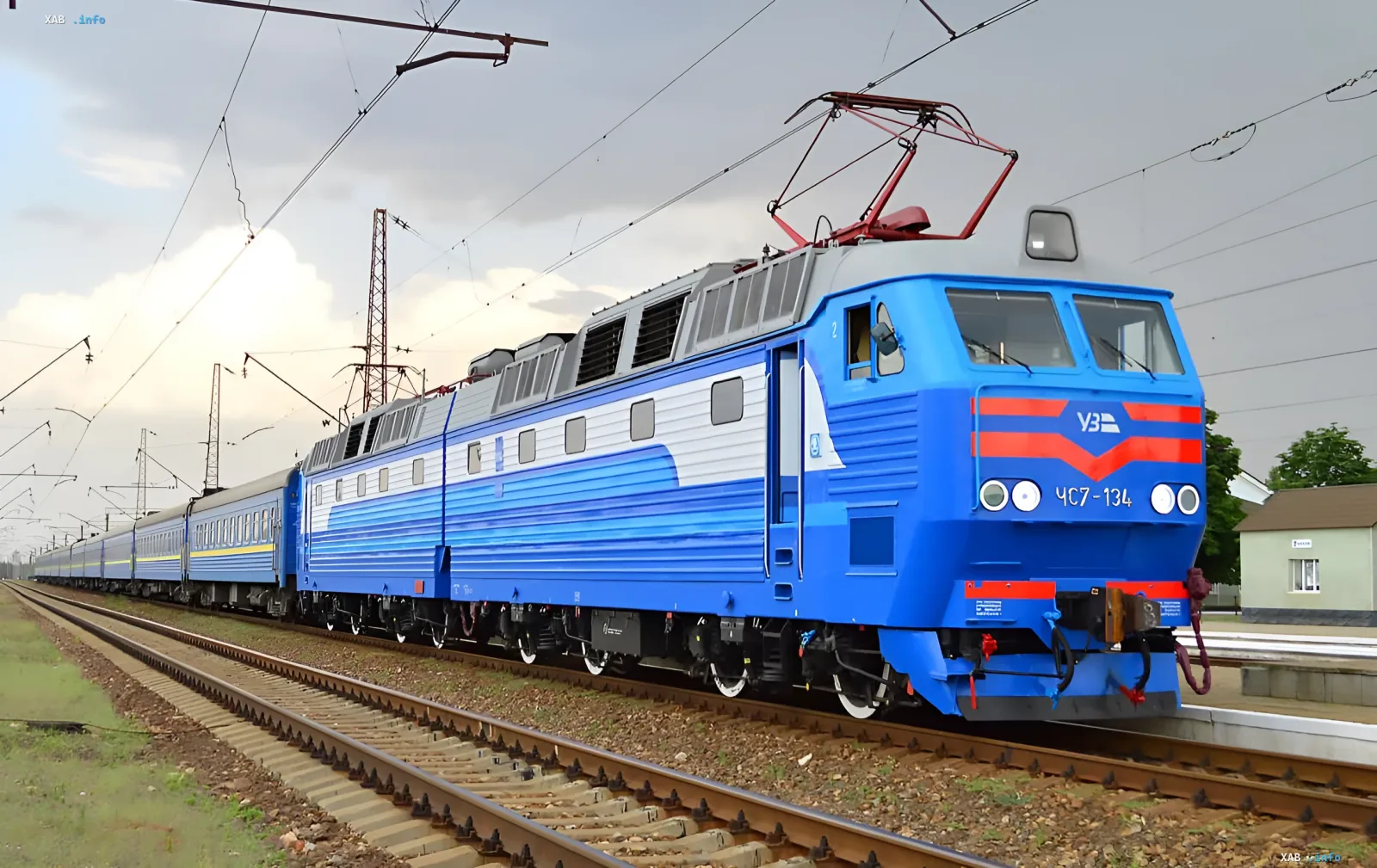
As of 9 September 2026, a significant portion of passenger trains in Ukraine is moving with substantial delays. According to data from the "Ukrzaliznytsia" service, cited by RBC-Ukraine, more than 20 services are running late, with the maximum delay approaching twelve hours. At the same time, according to the service's information, the reliability of the arrival forecast for most delayed trains remains high, indicating that the disruption is localized and manageable in nature, rather than a full collapse of traffic.
Record delay: the Mykolaiv — Lviv service
The longest delay at the time the data was published is on train No. 109/110 on the Mykolaiv Passenger — Lviv route. Its delay amounts to 11 hours 59 minutes — effectively almost a full day on the road beyond the schedule. This is the highest figure among all recorded delays, and it is precisely this that defines the overall scale of the problem for passengers planning transfers and connections in the western regions of the country.
Causes: attacks on railway infrastructure
The official reason for the mass delays is not specified in the open data. However, as observers note, such delays under the current conditions are usually linked to threats to movement: the Ukrainian railway continues to be attacked by enemy drones, including during daytime, which forces drivers to adjust speed and route en route, while on certain sections movement is temporarily suspended. It is precisely these safety measures that lead to the accumulation of delays across a chain of services.
Context: strikes on Kyiv and the border with Moldova
The train delays are occurring against the backdrop of ongoing attacks. On the morning of 9 September, an enemy drone hit a multi-story residential building in the Darnytskyi district of Kyiv: six people were injured, including a pregnant woman, and a fire broke out on one of the floors. Overnight on 9 September, Russia struck the "Starkozachee" international border crossing point on the border with Moldova with drones, where among the civilian population nearby there are fatalities and injuries, and the processing of citizens on this route has been temporarily suspended. The combination of these incidents increases the load on transport corridors and logistics.
Contradictory data
In open sources, the delay figures and chronology are presented with minor discrepancies. RBC-Ukraine and the data from the "Ukrzaliznytsia" service speak of a maximum delay of 11 hours 59 minutes (effectively "up to 12 hours"), while a number of other publications characterize the delays as "more than 10 hours" and note that movement has been paralyzed "for the second day." The difference in figures (10, 11 or 12 hours) is explained by the moment the data was captured and by the fact that the delay of a specific service continues to grow over time. In essence, all versions describe the same large-scale disruption, but from a different point of reference; a single "final" delay figure does not exist at the time of publication, since it is updated in real time.