June Record: Return to High Levels of Support
Amid the complex geopolitical landscape of 2026, Ukraine has demonstrated its ability to attract substantial resources to maintain its defense capabilities. According to data published by RBC-Ukraine citing Euractiv, the country received an unprecedented €7.2 billion in military aid from international partners in June of this year. This figure marks the highest level since the cessation of direct American funding, which was halted in February 2025.
Analysts at the Kiel Institute for the World Economy (Kieler Institut für Weltwirtschaft) note that the volume of aid in June is the largest since April 2024, when Ukraine received €9.04 billion. Thus, the current month ranks as the third highest in terms of military support volume since the start of Russia's full-scale invasion. This growth indicates that European partners have been able to form a sustainable support mechanism, compensating for the absence of direct budgetary injections from Washington.
Growth Engine: EU Credit and Contribution of Key Donors
The main driver of the sharp increase in aid volumes in June was active financing from the European Union. In May and June, European institutions allocated €4.3 billion in military aid under the special instrument "EU Credit for Ukraine Support." The rapid launch of this mechanism allowed for the operational mobilization of resources necessary for the procurement of weapons and ammunition.
"The rapid launch of the Ukraine Support Credit is a positive signal for Kyiv, demonstrating the EU's willingness to take responsibility for regional security," said Taro Nishikawa, head of the Ukraine Support Tracker project. In addition to the general EU pool, individual states made significant contributions: Germany directed €700 million, Denmark €600 million, and the Netherlands €500 million. These sums were directed directly to support the needs of the Ukrainian army.
Aid Structure: The Role of the US and European Dependence
Although direct American funding was halted more than a year ago, the role of the US in Ukraine's defense remains critical. European countries are increasingly forced to purchase weapons from American defense companies or utilize supplies from US stockpiles, financing them through their own budgets and EU credits. This creates a complex logistical and financial chain.
"The United States remains the key supplier of systems such as Patriot, for which Europe currently has only limited alternatives," noted Federico Mellace, an analyst at Ukraine Support Tracker. This confirms that even in the event of a financial break, the US technological and production base remains the foundation for Ukraine's air defense systems.
2026 Context: Trends and Challenges
It is important to understand that the June success occurs against the backdrop of a general slowdown in aid rates earlier in the year. Before the cessation of American funding in February 2025, donors provided Ukraine with an average of €3.46 billion monthly. Afterward, this figure dropped to €2.94 billion. In the first four months of 2026, the total volume of financial and humanitarian aid also decreased noticeably.
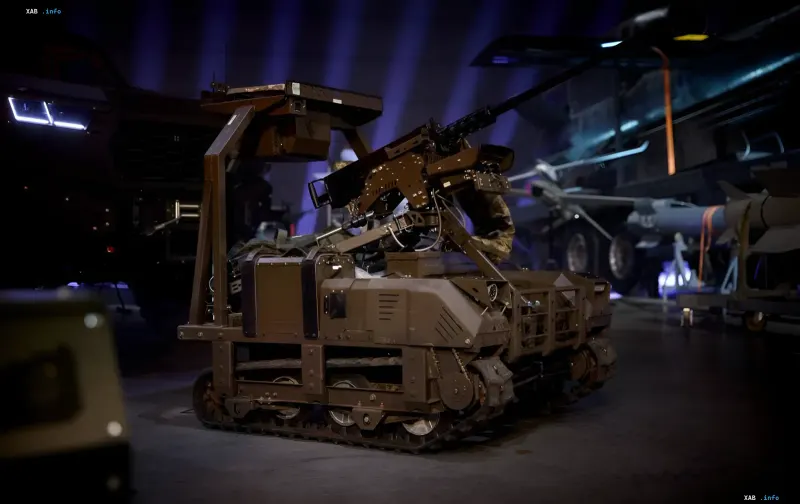
However, the structure of aid is changing. Supplies of unmanned aerial vehicles (drones) and autonomous surveillance systems are becoming increasingly important to partners. As seen with modern robotic complexes demonstrated at exhibitions, the focus is shifting to technologies that allow for reconnaissance and precision strikes with minimal risk to personnel. This serves as a response to the shortage of manpower and the need to conserve expensive ammunition.