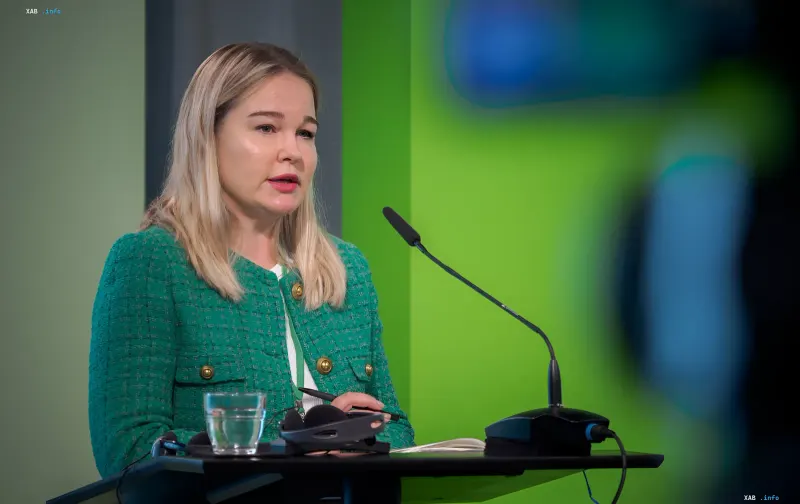
Alona Hetmanchuk, Head of the Mission of Ukraine to NATO, stated that in the long term Ukraine is capable not only of strengthening the Alliance’s defensive capabilities but also of replacing some of those currently provided by the United States. She said this while commenting on the ongoing discussions about the future of NATO’s security architecture, as reported by RBC-Ukraine. In her words, recognizing Ukraine at the level of the Alliance’s declaration as a contributor to security shows that NATO member states see the real potential of Ukraine’s military capabilities to strengthen the organization as a whole.
The Context of “NATO 3.0” and European Defence Autonomy
Hetmanchuk noted that the issue is taking on particular significance against the backdrop of growing discussions about so-called “NATO 3.0” — the concept of a more “European” Alliance in which the continent assumes a greater share of responsibility for its own security. In this context, Washington, in her words, is specifying exactly which capabilities it will continue to provide for Europe’s defence under the NATO Force Model and which it will not. It is precisely this “fork in the road” that creates room for Kyiv to offer its own solutions as a full-fledged element of collective defence, rather than solely as an object of support.
From Recipient of Aid to Contributor to Security
“In NATO today we hear a great deal about how we could not only strengthen one or another of the Alliance’s defensive capabilities but, in the long term, even replace some of them,” RBC-Ukraine quotes Hetmanchuk as saying. She emphasized: “We can not only strengthen NATO’s European capabilities but, in the long term, replace some of the American ones.” This statement marks a qualitative shift in Kyiv’s rhetoric: Ukraine is positioning itself not as a country awaiting military aid, but as an active producer of defence solutions capable of being integrated into the Alliance’s overall architecture.
Combat Experience and Patriot Interceptors: The Practical Basis of the Arguments
In an earlier speech at the same venue, Hetmanchuk explained how exactly Ukraine’s role in the Alliance is changing and what support NATO is providing to Kyiv, including through the supply of interceptors for Patriot air defence systems. She separately pointed out that Western military headquarters are actively using Ukraine’s combat experience — both in operational planning and in developing doctrines to counter modern threats. It is precisely this accumulated experience, in Kyiv’s logic, that becomes the basis for Ukrainian solutions to be regarded as a competitive alternative or complement to American defence products and services.
A “Mental Break” in NATO and Recognition of a New Role
Previously, Hetmanchuk described a “mental break” that has occurred within the Alliance in its attitude toward Ukraine: from viewing Kyiv solely as a beneficiary of aid to recognizing it as a full-fledged partner in ensuring security. The Ukrainian side, as the statements indicate, expects NATO to formally enshrine this new role — not merely declaratively, but institutionally, with concrete mechanisms for integrating Ukraine’s defensive capabilities into the structure of the Alliance. DW and UNIAN confirm in their reporting that Kyiv is deliberately seeking recognition of its contribution to Europe’s security as an equal contributor, not merely a recipient.