

The full-scale Russian invasion and unprecedented social challenges faced by Ukraine have exposed chronic problems within the social protection system. From excessive bureaucracy to acute budget deficits, millions of families found themselves in difficult circumstances, serving as a catalyst for large-scale reforms.
Crisis of the Old Model
After gaining independence, Ukraine inherited a cumbersome Soviet model of benefits. On paper, it appeared generous, but in reality, it left those on the brink of survival to face their problems alone. By the 2000s, it became evident that the system was inefficient, and budgetary expenditures were growing faster than the quality of support.
The situation worsened in 2014. The annexation of Crimea and the war in Donbas led to the emergence of a new social phenomenon — internally displaced persons (IDPs). Within two years, their number reached nearly two million. The social infrastructure in the regions barely withstood the load: spending on social protection increased from 399 to 625 billion hryvnias, yet state support remained insufficient and too slow.
Transition to Targeted Assistance
It was then that a painful transition began from “statuses” to targeted assistance. Instead of impersonal categories, aid began to be directed to those who truly needed it. Instead of red tape, the first steps were taken towards digitization. In 2018, the Ministry of Veterans' Affairs was established for the rehabilitation of defenders.
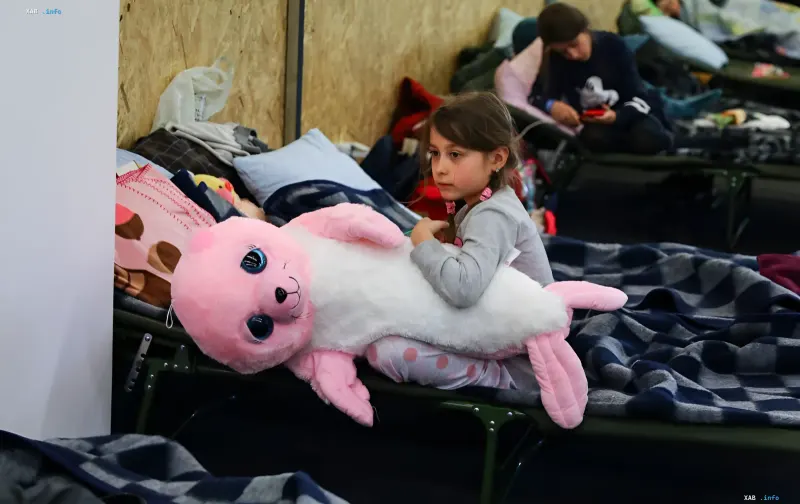
The start of the full-scale invasion triggered an unprecedented humanitarian crisis. The number of people with disabilities increased by at least 300,000. As of the end of 2025, there were 3.7 million internally displaced persons in Ukraine, and another 5.6 million had left the country.
International Partnership and the SPIRIT Program
Local communities bore the first blow. To give them the freedom to act, in April 2022, the Verkhovna Rada allowed decisions on providing emergency aid to be made within 24 hours. However, communities acutely felt a lack of resources and specialists. International organizations came to the rescue.
Previously, donors often created parallel aid systems, leading to a duplication of functions. In 2023, the PeReHID initiative, launched under the leadership of UNICEF, changed the rules of the game. International organizations integrated into the state social protection system, directing resources where they were needed most: to frontline zones, low-income families, and people with disabilities.
The logical continuation of this success was the launch of the large-scale SPIRIT program (Social Protection for Inclusion, Resilience, Innovation and Transformation). This is a unique comprehensive initiative funded by the Government of the United Kingdom through the British Embassy in Ukraine as part of the historic 100-Year Partnership Agreement. The program is being developed and implemented by the Ministry of Social Policy in strategic partnership with UNICEF and the World Bank.
Four Pillars of the New System
The British Embassy and UNICEF are investing not in maintaining old Soviet institutions, but in human capital — the most valuable resource for Ukraine's post-war recovery. The SPIRIT program relies on four main pillars:
- Inclusion: guarantees equal access to assistance for all citizens, with a special focus on people with disabilities and those affected by the war.
- Resilience: aims to strengthen local communities so they have the resources and ability to independently overcome future crises and quickly recover from shock events.
- Innovation: implies the launch of modern technologies and digital tools for fast, transparent, and sustainable service delivery.
- Transformation: systemic changes in state policy that must be based exclusively on real data and quality analysis, rather than outdated concepts.
To collect an evidence base and model reforms, an analytical core — the Social Recovery Office (SRO) — was created within the Ministry of Social Policy, including leading UNICEF experts. Thanks to the analytical support of SPIRIT, Ukraine is moving towards creating a modern system capable of protecting every citizen in conditions of uncertainty.


