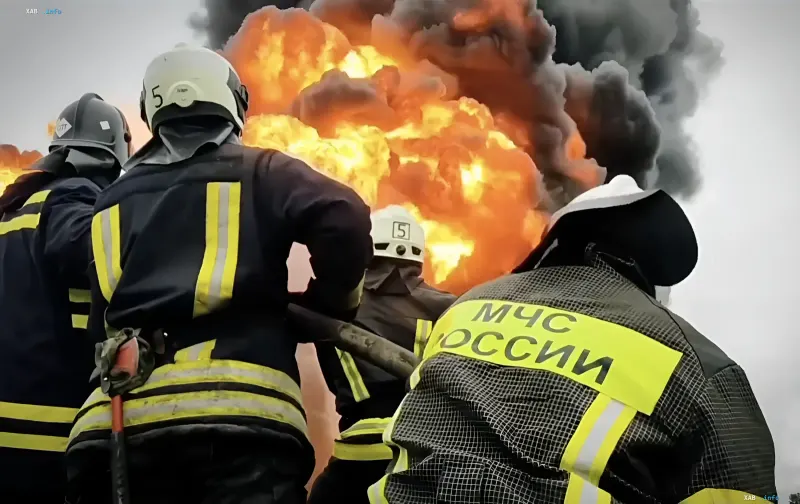
On the night of November 17, 2026, units of the Special Operations Forces (SOF) of Ukraine launched a strike against one of Russia's largest petrochemical enterprises — the Gazprom Neftekhim Salavat complex in the city of Salavat, Republic of Bashkortostan. This was reported by RBC-Ukraine, citing an official statement from the SOF. According to the agency, the Deep Strike unit successfully hit the target, covering approximately 1,500 kilometers deep into Russian territory.
Target of the strike: One of the largest petrochemical plants in Russia
The targeted complex is among the largest petrochemical enterprises in Russia. According to published specifications, the plant is capable of processing about 6 million tons of oil and 4 million tons of gas condensate per year. The enterprise produces over 150 types of products, including automotive gasoline and diesel fuel, fuel oil and road bitumen, as well as sulfur, ammonia, urea, styrene, and polyethylene.
Operation at a distance of 1,500 kilometers
The key feature of the operation, as emphasized by the SOF, was the strike range: Ukrainian drones covered approximately 1,500 kilometers from the border to the target in Bashkortostan. This demonstrates that Deep Strike units continue to increase their capabilities to strike targets deep in the enemy's rear, bypassing air defense systems and countermeasures.
Context: A series of strikes on the oil refining industry
The attack on Gazprom Neftekhim Salavat was part of a broader campaign of strikes against Russia's energy and oil refining infrastructure. Recall that on the night of November 16, the Defense Forces struck the Ilsky Oil Refinery in the Krasnodar Territory, where processing and gasoline production units were hit. Furthermore, during the first days of November, Ukrainian forces carried out powerful strikes against five of the largest Russian oil refineries simultaneously.
Significance of the attack
According to the SOF, the products of the targeted complex, including fuel and chemical products, are used, among other things, to support Russian aggression against Ukraine. Systematic strikes against refineries and petrochemical enterprises aim to weaken the logistical and economic capabilities that support the Russian war machine.