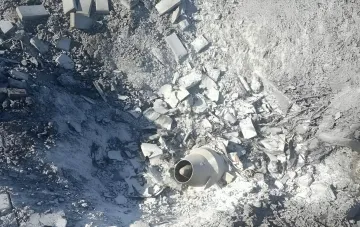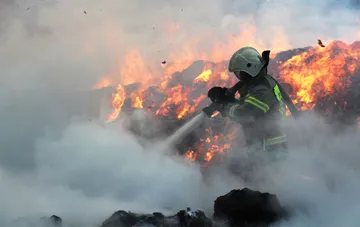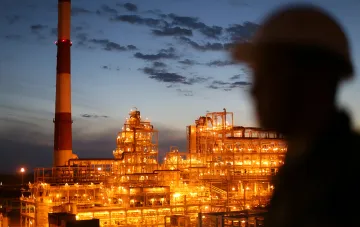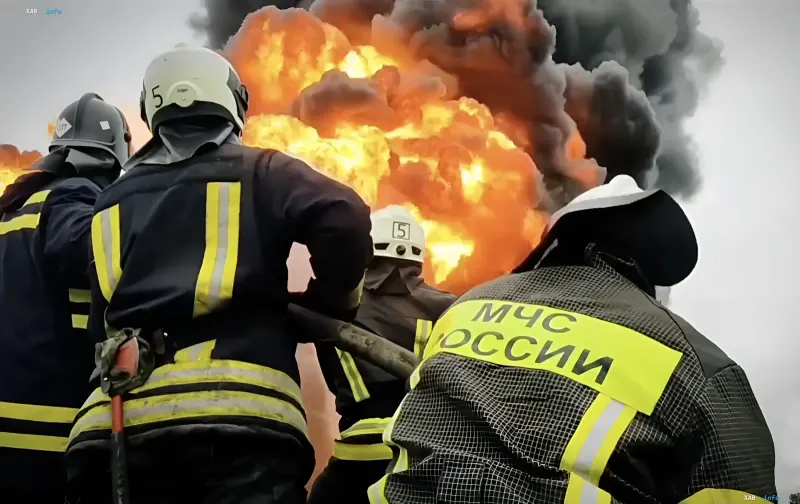
As of November 11, 2026, Russia's largest oil refinery, the Omsk Refinery (Gazprom Neft-ONPZ), has been hit by Ukrainian "long-range sanctions." According to RBC-Ukraine, citing Telegram channels Exilenova+ and CyberBoroshno, explosions have been occurring at the facility continuously for over two hours, and a massive fire has broken out as a result of the attacks. It is reported that the strike is ongoing at the time of publication.
Target Deep Behind Enemy Lines
The Omsk Refinery is the country's most powerful oil refining facility: its design capacity exceeds 21 million tons of oil per year. The plant is located approximately 2,500 kilometers from the Ukrainian border, which is why it had long remained out of reach for Ukrainian attacks and avoided strikes, unlike refinery facilities closer to the front line.
Record-Breaking Duration Attack
The CyberBoroshno channel notes that this operation is the first of all previous deep strikes on Russian territory to last several hours consecutively without stopping at the time of documentation. This indicates that the attack was carried out not by a single vehicle, but by a series of strikes or using assets capable of maintaining target suppression over time.
Systemic Pressure on Oil Refining
The strike on the Omsk Refinery fits into a broader campaign targeting Russian oil refining infrastructure. According to available data, Ukrainian attacks have completely taken 15 of Russia's 38 major refineries out of service, while another 12 plants have significantly reduced production volumes. Last month, Ukrainian drones also struck the largest oil refinery in the Russian Federation, which also resulted in a fire at the facility.
Expanding Long-Range Potential
The context of the operation is also confirmed by the international press: according to Bloomberg, the expansion of long-range strikes on refineries, gas terminals, and ships has been made possible by the development of domestic medium-range cruise missile production, satellite imagery from Western partners, and an extensive intelligence network. In particular, the key role in these operations is attributed to the Kairos unit, as well as the involvement of energy sector specialists in identifying vulnerable points at production facilities.