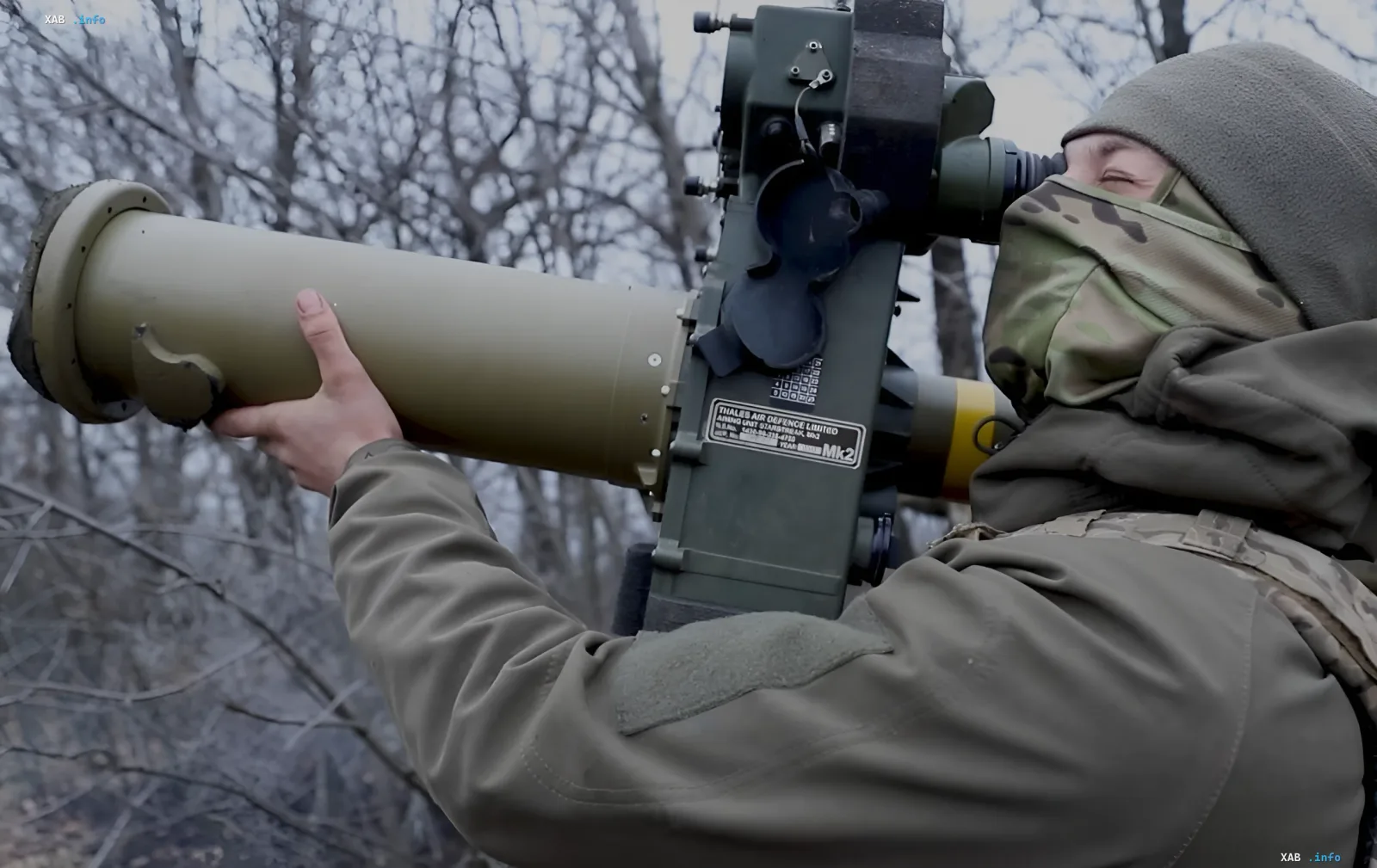
Ukraine is expecting a massive shipment of British lightweight multi-role Martlet missiles. According to data published by RBC-Ukraine, citing the blog of British Army veteran and military expert Wes O'Donnell, the shipment involves 6,000 units of weaponry intended for the destruction of unmanned aerial vehicles.
Martlet missiles have already proven themselves in real combat conditions, destroying over a hundred enemy targets. Their effectiveness has been confirmed by the British Air Force, which has actively used this system in recent months.
British Production Scale and Funding
Against the backdrop of the growing drone threat, the UK has significantly increased the production rates of this weaponry. In April and May 2026, the country's Ministry of Defense signed two new contracts with the Thales corporation totaling 36 million British pounds.
However, the supply volumes for Ukraine significantly exceed London's internal needs. Funding for this direction began as early as 2025, when approximately 1.7 billion pounds were allocated for the combination of RapidRanger systems and Martlet missiles. The first batches of weaponry were received by Ukrainian troops in 2024, so fighters already have experience operating the LMM Martlet.
Missile production is concentrated in Belfast, where about 700 qualified specialists work. Former UK Defense Secretary John Gilly confirmed that the weapon is "battle-tested" and ready to perform its tasks.
Technical Specifications and Tactical Advantages
The main advantage of the Martlet is its compactness and mobility. The missile weighs only 13 kilograms, allowing for easy transport and rapid deployment of the system. The flight range exceeds 6 kilometers.
A key factor in its effectiveness is the laser guidance system. Unlike classic anti-aircraft systems that react to thermal radiation, the Martlet launcher guides the missile to the target via a laser beam. This provides a number of critically important advantages:
- No need for a thermal trail from the target's engine;
- High effectiveness against cheap drones with electric motors;
- Ability to ignore heat decoys and jamming;
- Capability to engage low-visibility aircraft.
For most Russian drones, including "Shaheds," such a missile becomes fatal. The operator only needs to keep the aiming point on the object, without waiting for the appearance of a "hot" jet trail.
Solving the "Middle Zone" Problem
Martlet missiles are considered an ideal solution for the so-called "middle zone" of air defense. Using expensive systems like Patriot to intercept cheap drones is considered economically unfeasible, while traditional anti-aircraft guns often lack sufficient range or effectiveness against such targets.
At the same time, Ukraine is experiencing a serious shortage of missiles for Patriot systems, which are necessary to combat ballistic threats. Lockheed Martin has warned customers about difficulties with PAC-3 ammunition supplies. In response, the Ukrainian defense industry is attempting to replace the shortage with its own development — the FP-7.x anti-aircraft missile.
Despite these challenges, NATO Secretary General Mark Rutte assured that PAC-2 and PAC-3 interceptor missiles remain a key element of Ukraine's defense. According to him, supplies of these munitions from the US continue on a regular basis, ensuring the country's strategic defense.


