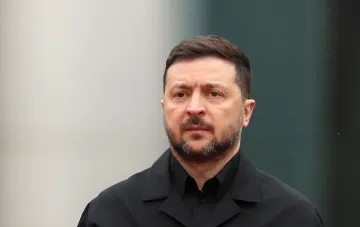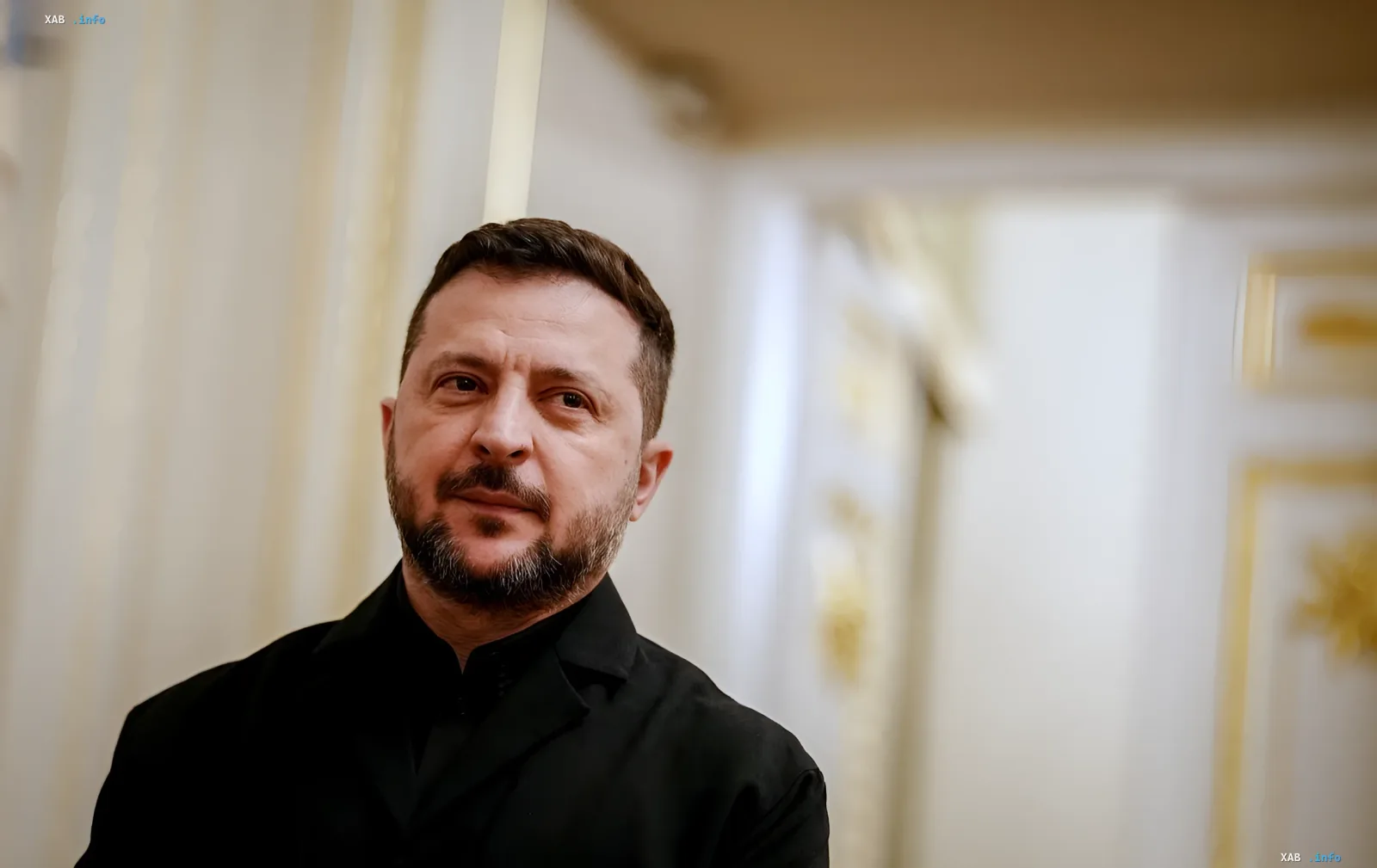
The Ukrainian leadership is ready to hold presidential elections in the country provided that Russian leader Vladimir Putin agrees to introduce a 60-day ceasefire. This statement was made by Head of State Volodymyr Zelenskyy against the backdrop of increasing foreign policy pressure and a series of diplomatic initiatives from Western partners.
Context of American Pressure and Trump's Appeals
The necessity of organizing the electoral process amid the ongoing armed conflict is actively pushed by Washington. Earlier, US President Donald Trump publicly called on the Ukrainian people to immediately elect a new leader, sparking widespread discussion in expert circles and the media. Zelenskyy's statement regarding the 60-day truce was a response to these demands, tying domestic political steps to real security guarantees.
Contradictory Data
The issue of holding elections in a warring country is accompanied by serious information contradictions and legal collisions. Previously, Kyiv's official position was that any electoral procedures could take place exclusively after the final end of the full-scale war and the cancellation of martial law. At the same time, international sources record various initiatives regarding truce timelines: while a 60-day silence mandate is now discussed, earlier diplomatic contacts featured proposals for a 30-day ceasefire.