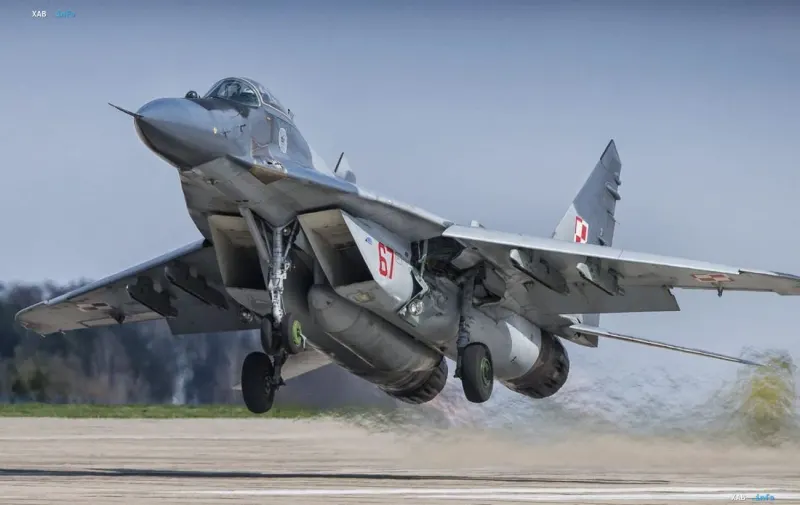
Vasyl Bondar, Ukraine's Ambassador to Poland, confirmed in an interview with RBC-Ukraine that Warsaw has still not handed over the promised MiG-29 fighter jets to Kyiv, but stated that the Polish side is ready to complete the deal. According to him, the key obstacle remains the lack of funds to modernize the aircraft before transfer. "For now, we do not have the funds for modernization. But the Polish side declares its readiness to hand them over in exchange for corresponding assistance from the Ukrainian side, so this issue is relevant. I hope that in the coming weeks we will see some progress in this regard," the diplomat explained.
Modernization as the Main Obstacle
According to Bondar, the technical condition of the MiG-29s in the service of the Polish Air Force requires bringing them into compliance with the requirements imposed on combat aviation transferred to an ally. This is not a matter of a simple formal handover of the keys, but of full-fledged preparation of the aircraft for combat use. It is precisely at this stage, in the ambassador's assessment, that the process is stuck: without allocated modernization funding, the aircraft cannot be transferred in working condition. At the same time, the very fact of Warsaw's readiness to hand them over, according to the diplomat, is beyond doubt — the question is purely one of resources and timelines.
Exchange for Ukrainian Drones and Know-How Technologies
The deal on the transfer of MiG-29s is structured on a model of mutual exchange: in return for the fighter jets, Kyiv is to provide Warsaw with Ukrainian unmanned aerial vehicles, as well as know-how technologies accumulated during the war. Earlier, in August 2026, it was reported that Poland and Ukraine were finalizing an agreement on the transfer of the fighter jets. However, as Bondar noted, the preliminary agreement on the supply of drones and technologies had not been fully implemented, which apparently slowed down the reverse direction of the deal as well. The issue of transferring the MiG-29s has already become the subject of public disputes between Kyiv and Warsaw, and both sides have repeatedly made promises that were not fulfilled within the stated deadlines.
Contradictory Data
The versions of the reasons for the delay voiced by various parties differ substantially. Ambassador Bondar points to a lack of funds for modernization as the sole and main problem. At the same time, Polish media (Focus.ua) reported that Warsaw had received a request from another NATO member state for the MiG-29 fighter jets promised to Ukraine, which calls into question the priority of the supply to Kyiv. The Russian publication "Arguments of the Week" went even further in an editorial, claiming that Poland, "in retaliation" for Ukraine's sale of drones to Kuwait, had scrapped the MiG-29s. None of these versions has been officially confirmed by either the Polish or the Ukrainian leadership. Bondar, for his part, did not comment on the alternative explanations, limiting himself to stating the problem with modernization funding.
Caution After a Series of Failed Announcements
Separately, Ukraine's Ambassador to Poland emphasized that he does not want to "get ahead of things," since the topic of transferring the MiG-29s has several times become the occasion for loud announcements that were not followed by real progress. "We have already heard announcements several times, and then nothing happened," Bondar noted. This caution reflects the accumulated distrust between the parties: each new round of negotiations is accompanied by public statements about the imminent transfer, yet specific deadlines and implementation mechanisms of the agreement have still not been fixed in the public domain. The diplomat expressed hope for progress "in the coming weeks" but did not name specific dates.
Context: What Is Known About the Deal
According to data published earlier (including by Kommersant), Ukraine agreed to provide Poland with UAV technologies in exchange for MiG-29 fighter jets. Thus, the deal is not one of unilateral aid, but of a mutual exchange of military assets and competencies. For Kyiv, obtaining the MiG-29s is above all a replenishment of the tactical aviation fleet capable of performing cover and interception tasks. For Warsaw — access to Ukrainian experience and technologies in the drone field, which have been actively used in combat conditions since 2022. The outcome of the deal, as follows from the ambassador's words, may be reached in the coming weeks; however, as of the publication of this material on 25 September 2026, the formal transfer of the fighter jets had not taken place.