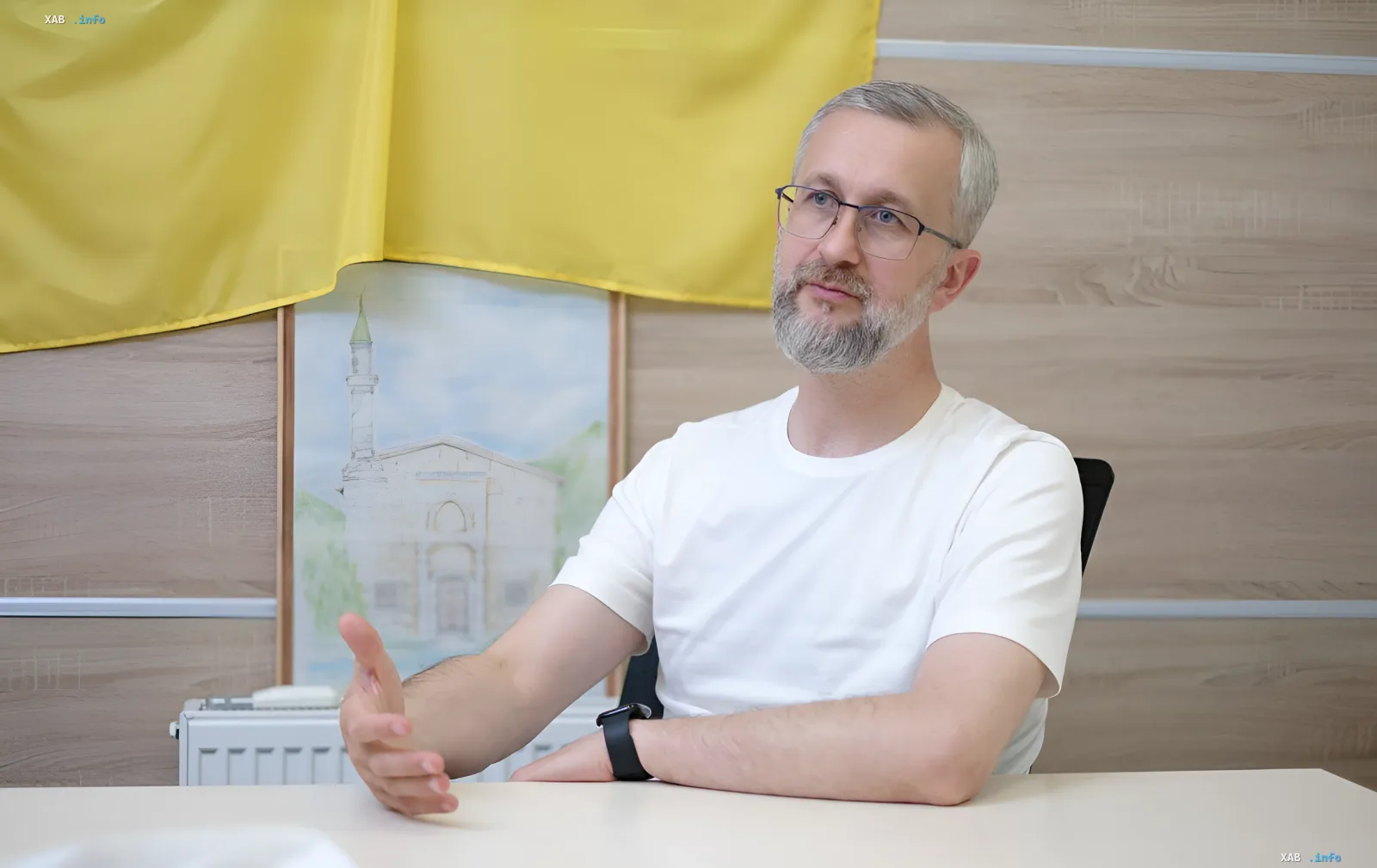
The Republic of Turkey has been one of the key mediators in the release of Ukrainian citizens from Russian captivity throughout the conflict — both military personnel and civilians. This was stated by Nariman Jelyal, Ukraine’s Ambassador to Turkey, in an exclusive interview with RBC-Ukraine. Jelyal himself was held in Russian captivity from 2021 to 2024 and was released precisely through Ankara’s mediation. According to him, progress in prisoner exchanges depends directly on the negotiation track, but the main systemic obstacle remains Moscow’s position, which consistently rejects initiatives put forward by Kyiv and its Turkish partners.
The Ambassador’s Personal Experience: From Captivity to a Diplomatic Mission
Nariman Jelyal emphasizes that his own story is not merely a biographical detail but direct evidence of the active role played by Turkish President Recep Tayyip Erdoğan in the humanitarian efforts to return Ukrainian citizens. From 2021 to 2024, the ambassador was held in Russian captivity, and his release became possible thanks to the direct intervention of the Turkish side. “In particular, my own story testifies to the active role of President Erdoğan himself,” he noted. This experience, the diplomat says, gives him a special motivation and an understanding of the mechanisms that actually work when formal channels are blocked.
The Mediation Mechanism: How Ankara Conveys Proposals to Moscow
The Embassy of Ukraine in Turkey maintains direct and regular contacts with the Turkish authorities at the appropriate level. According to Jelyal, Ankara serves as the channel through which Kyiv conveys certain proposals to Moscow on humanitarian issues, including the release of prisoners. The Turkish side, the ambassador believes, is ready to act and is already taking concrete steps. However, as the diplomat stressed, it is Russia that is the main obstacle: the proposals put forward by Ukraine and Turkey “constantly meet a ‘no’ from the Russian side.” Thus, the blockage is not at the Ukrainian-Turkish level but at the Russian one — and this, in the ambassador’s assessment, is the key factor stalling the process.
The Ombudsman, the Sick and the Elderly: Initiatives That Never Reach the Captives
As a concrete example of the deadlock, Jelyal cited the proposal for the Turkish ombudsman to visit the places of detention of Ukrainian military and civilians. The focus was, first and foremost, on the most vulnerable categories — the sick, the elderly, and women. “The Turkish side is ready to act. But these proposals constantly meet a ‘no’ from the Russian side,” the ambassador stated. This shows that even when a third party is ready for humanitarian monitoring, Moscow does not allow external oversight of the conditions under which Ukrainian hostages are held, making it impossible to verify their condition and, as a result, complicating the case for prioritized exchanges.
Working with Families: From Closed Meetings to Public Events
In addition to direct negotiations with the Russian side, the embassy actively organizes interaction between the Turkish authorities and the relatives of Ukrainian prisoners of war and political detainees. According to Jelyal, such meetings sometimes take place in a non-public format, but public events with the participation of prisoners’ families are also possible in Turkey. As an example, the ambassador cited events timed to Ukraine’s Independence Day, when the relatives of prisoners of war were able to openly voice their position. This, in his assessment, creates additional public pressure and keeps the humanitarian agenda in the spotlight in Turkish society.
Beyond Captivity: The Negotiation Pause, the Black Sea, and Trade
In his interview with RBC-Ukraine, Nariman Jelyal also commented on Ankara’s attitude toward the current pause in negotiations between Ukraine and Russia, and warned Ukrainian businesses about the opportunities and challenges associated with the free-trade regime with Turkey. Separately, the ambassador identified who, in his view, could play a key role in stopping attacks in the Black Sea. Although these topics go beyond the immediate prisoner track, they form the broader context of Ukrainian-Turkish relations, in which humanitarian initiatives on hostage exchanges exist in parallel with the economic and military-political dialogue.