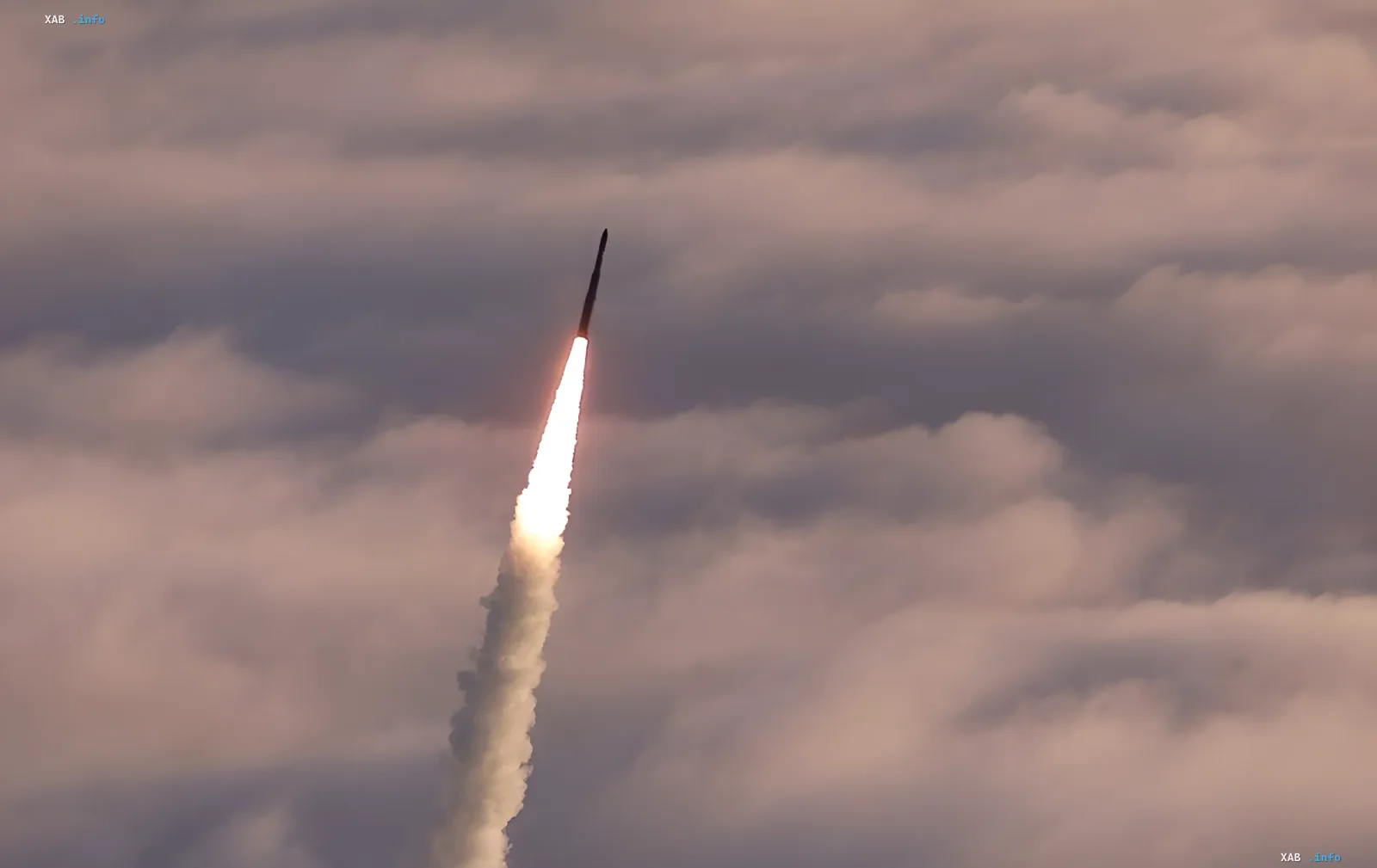
Ukraine's defense industry faces a formidable challenge: creating its own ballistic weaponry. This is not merely a matter of purchasing equipment or assembling individual components. As an analysis of the situation shows, the path to independent production of a 'rocket sword' lies through a fundamental restructuring of the entire financing and management system of the defense sector.
The Three Pillars of the Defense Industry
According to expert assessments published in an RBC-Ukraine article, the successful creation of ballistic missiles rests on three fundamental pillars: money, people, and technology ('hardware'). Oleksandr Katkov, editor-in-chief of Defense Express, emphasizes that without large-scale financing, it is impossible to purchase the necessary high-tech equipment, ensure decent wages for specialists, or provide their training.
However, the availability of resources is only half the battle. A critical factor is exactly how these funds will be invested and distributed among market participants.
The Dilemma: State vs. Private Sector
In the current Ukrainian reality, there is a gap in approaches to weapons development. State-owned enterprises have the advantage of direct financing, allowing them to launch projects faster. Meanwhile, private companies are forced to invest their own funds in development, risking that they will only receive state contracts after their product has proven its effectiveness in real combat conditions.
According to Anatoliy Khrapchynsky, Director of Development at a defense enterprise and Air Force Reserve Officer, it is vital for private manufacturers to establish a specialized state agency. Such a body should become the chief architect of orders, linking the army's needs with the innovative potential of business.
Global Experience: The DARPA Model
The effectiveness of this approach is proven by international experience. A prime example is the American Defense Advanced Research Projects Agency (DARPA) and the European Defence Agency (EDA). These structures do not engage in production themselves. Their task is to seek breakthrough ideas, finance their implementation in private companies, and guarantee the purchase of successful models for the needs of the armed forces.
Such a model allows for reducing risks for businesses and accelerating the adoption of innovations, creating a sustainable defense industry ecosystem.
A 20-Year Strategy
Creating a full-fledged rocket program is not a short-term project but a state policy calculated for decades. Anatoliy Khrapchynsky asserts that a legislatively enshrined program is necessary, providing for the achievement of 70% independence in the defense sector within 20 years. Only with such a long-term perspective can the industry work systematically.
Currently, there is no unified strategy for the development of the defense industry (DI) in Ukraine. Instead, the market is fragmented: individual companies, under conditions of fierce competition, try to survive and independently develop products that the army needs right now.
Geopolitical Complexities and International Cooperation
In addition to internal economic and organizational challenges, Ukraine faces external factors. President Volodymyr Zelenskyy has noted that advancing the idea of creating its own ballistics is fraught with difficulties. The emergence of a new strong player in the arms market raises concerns among other countries, creating additional diplomatic barriers.
Nevertheless, Kyiv continues to advance its initiatives, including the creation of a European anti-ballistic system. Cooperation with international partners has already been established in this direction, and Sweden became one of the first participants in the project. This indicates that, despite the difficulties, Ukraine strives to integrate its developments into the pan-European security architecture.


