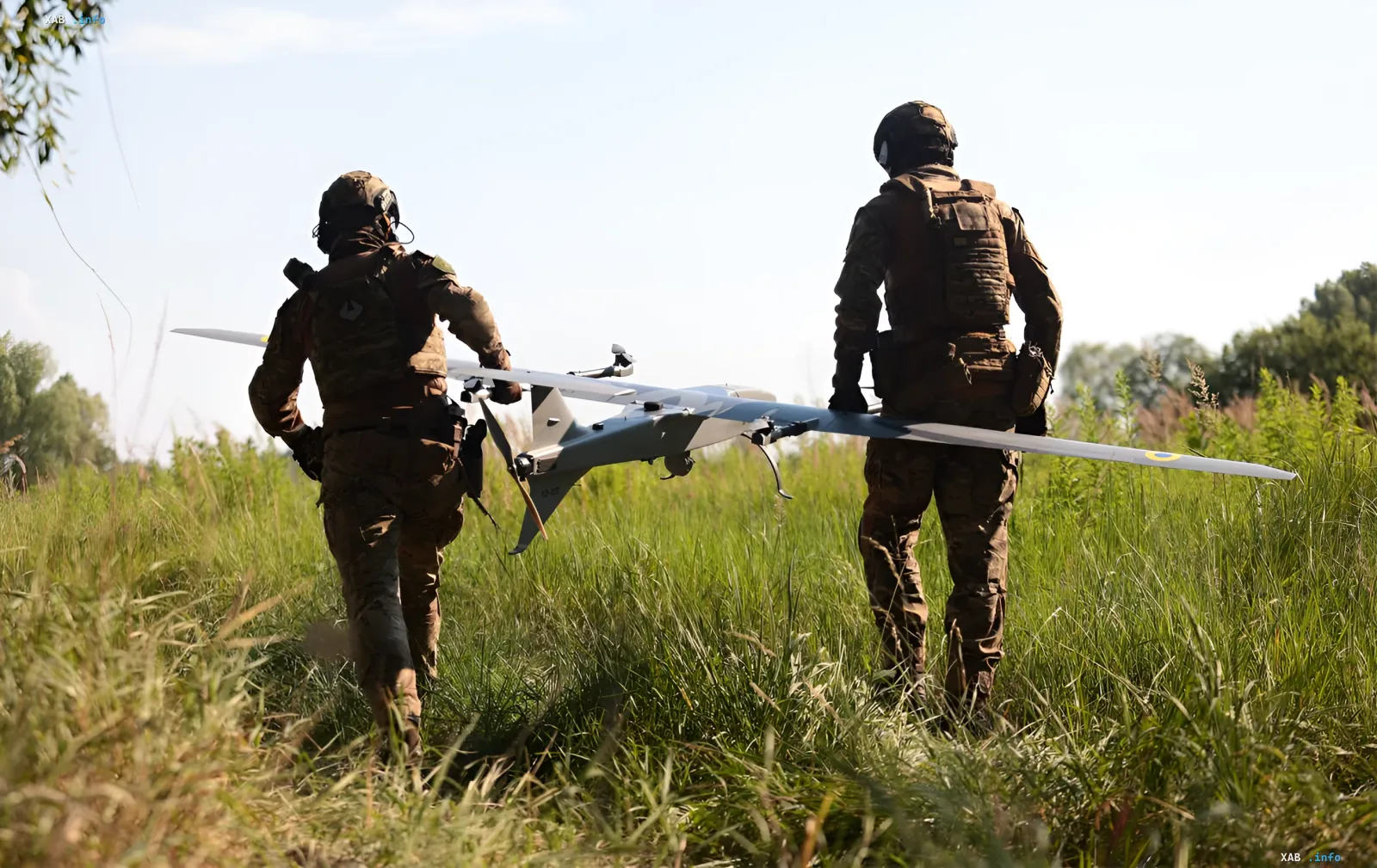
Next week, Ukrainian experts on unmanned aerial vehicles will arrive in Latvia. Their task is to help the Baltic states combat Russian drones, which regularly violate the airspace of the region. This was stated by the Prime Minister of Latvia, Andris Kulbergs, reports RBC-Ukraine citing ERR.
According to the head of government, military specialists from Ukraine, who have real combat experience on the front lines, will assess the current situation in Latvia. This will help determine exactly what technical equipment is necessary for effective air defense.
Paradigm shift: from NATO to Ukrainian experience
Andris Kulbergs emphasized that counter-drone systems developed or used in Ukraine could be deployed in Latvia by the end of this year. The Prime Minister noted that traditional countermeasures used by NATO are currently ineffective against modern threats.
"We will know what technical equipment is necessary for the best protection of our sky. We need to turn to someone who knows better than anyone else in the world how to do this," Kulbergs stated, highlighting the uniqueness of the Ukrainian experience.
On Tuesday, on the sidelines of the North and Baltic Europe (NB8) summit in Tallinn, Latvia and Ukraine signed an agreement on the use of drones. The cause for concern in Riga was the repeated incidents where Russian drones entered Latvian territory.
Economic context and security threats
In addition to defense issues, the new Prime Minister of Latvia identified the restoration of the economy as the top priority, as it has suffered significantly due to proximity to Russia and Belarus. Kulbergs emphasized that a weak economy automatically means weak defense capabilities, so Riga plans to demand additional support measures from Brussels.
The Latvian leader also called for strengthening sanctions against the Russian shadow fleet in the Baltic Sea. He called the old ships that Moscow uses to bypass restrictions and finance the war an "ecological time bomb." To counter this threat, regional countries plan to introduce a joint policy and data exchange, in particular using the experience of France.
Infrastructure problems and budget constraints
Commenting on the significant delay in the construction of the Rail Baltica railway and a budget deficit of 3.7 billion euros, Kulbergs declared the need to radically reduce the scale of the project.
"We cannot afford a 'Bentley', we need to go back to an 'Opel'. So it is that simple," he explained, calling on partners from Lithuania and Estonia to stop competing within the project. The Prime Minister promised to present a viable political solution in two weeks.
Crisis chronicle: from the minister's resignation to shot-down drones
The security situation in Latvian airspace deteriorated significantly in May 2026. Against the backdrop of regular drone incidents in the country, a political crisis erupted — the head of the Latvian Ministry of Defense, Andris Spruds, resigned.
This happened after Ukrainian drones flying from the direction of Russia struck Latvian oil storage facilities, and Prime Minister Evika Silina accused the leadership of the defense sector of the slow deployment of counter-UAV systems.
After this incident, the incidents did not stop, and just two weeks later, Latvia declared air alerts in border areas for the third day in a row due to new air threats. At that time, the country's military command was forced to urgently pull additional air defense units to the eastern border.
Subsequently, the threat escalated into a direct military interception, when in early June, French NATO fighters shot down a drone over Latvia for the first time. The threat was declared in several regions at once, and the drone itself entered Latvian territory due to large-scale Russian electronic warfare (EW) operations that knocked the device off course.


