
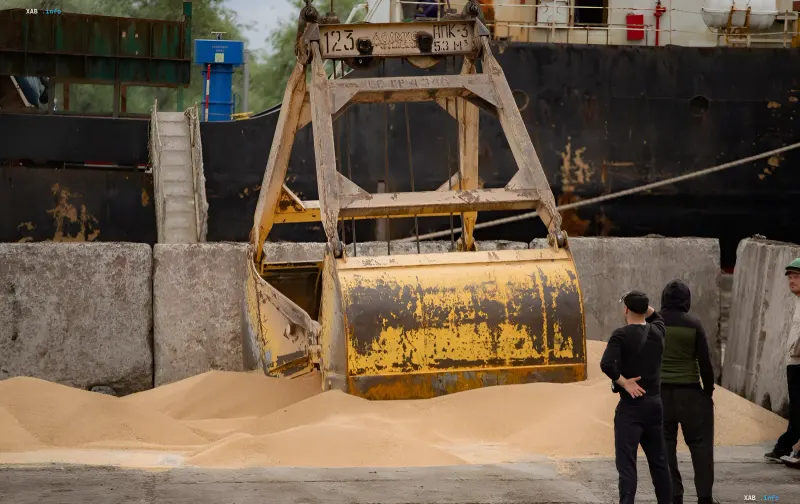
Ukrainian companies operating in the African food market have encountered a new, extremely aggressive scheme of pressure. It has emerged that after a shipment of Ukrainian grain arrives at a port and is successfully unloaded, local authorities suddenly claim there are quality issues with the product.
The 'post-unloading' scheme
Leonid Kozachenko, President of the Ukrainian Agrarian Confederation, describes a widespread practice that has become a real test for exporters. In regions with an acute need for food, opaque government structures operate, often disregarding international law.
The scheme follows a clear algorithm: the cargo arrives, it is unloaded, and only at this stage do local officials declare a 'quality mismatch'. Meanwhile, international SGS certificates, which are recognized worldwide, are simply ignored.
'They say: "By order of our leader, only the state laboratory checks, so we checked, and this is not at all what we wanted. Either you reduce the cost by half, or take your product back," Kozachenko reports.
Financial deadlock
The situation is exacerbated by the fact that all demands are made only after the goods are physically located in the port of the importing country. Alongside the pressure regarding quality, local banks controlled by the governments refuse to open letters of credit and freeze payments to Ukrainian companies.
Experts note that this is only part of the broader picture of the fight for markets. It was previously reported that Russia is actively building food dependence of African countries on its own grain. Since 2023, Moscow has begun large-scale deliveries, gradually increasing its influence in the region through subsidized prices and bilateral agreements, squeezing out competitors from the market.


