The Ukrainian indie scene has long ceased to be associated solely with large-scale combat or strategy projects. Alongside major studios, small teams and even solo developers are crafting quiet, atmospheric stories capable of captivating players from the very first minutes. Their portfolios feature hand-drawn fairy tales, unusual adventures, fantastic worlds, and touching narratives about finding a home. Styler editor Yulia Lyushneva has put together a selection of five Ukrainian indie PC games that, in her assessment, deserve attention for their plots, visual styles, and original ideas.
A leisurely fairy-tale forest: Tukoni: Forest Keepers
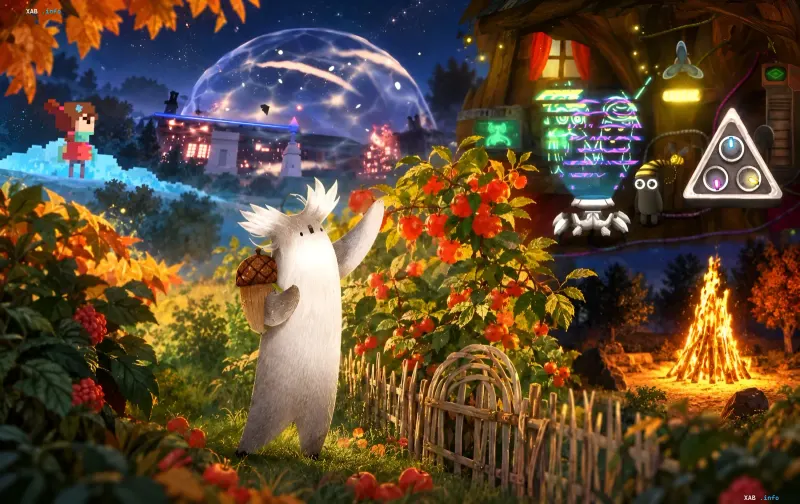
The first title on the list is the cozy fairy-tale adventure Tukoni: Forest Keepers, created by the Ukrainian studio Dream Operator based on books by artist and writer Oksana Bula. The action takes place in a magical forest inhabited by tiny Tukoni spirits who care for plants, trees, and forest animals. The player controls a traveling forest spirit who must help the residents prepare for winter: ahead lie picturesque clearings, cozy houses, puzzles, and encounters with unusual characters. As the game progresses, players can gather herbs, brew fragrant tea, and assist other spirits with their daily chores. There are no traditional battles or rushing here — instead, the game offers a slow rhythm where even brewing tea turns into a small adventure. A warm color palette and illustrations reminiscent of a children's book make the story especially well-suited for a quiet autumn evening.
An adventure without words: Shapik: The Quest
The second project is the hand-drawn adventure game Shapik: The Quest by Ukrainian developer Pavel Podberezko. The protagonist, Shapik, sets off into a mysterious forest to find his missing sister, but behind the magical views lies a world full of secrets, unusual creatures, and dangers. During the journey, players must carefully explore locations, find hidden objects, and solve puzzles. Notably, the game features no text dialogue: characters communicate through gestures, animations, and thought-bubble images. Every background is hand-drawn, and the music helps convey the mood of individual episodes. According to the author, it is precisely this unspoken nuance — a character's glance, a barely perceptible movement, or a background detail — that transforms Shapik into an old illustrated fairy tale where many secrets hide beneath beautiful drawings.
A pixelated road to summer: Summer Catchers
The third title is the pixel adventure Summer Catchers by Ukrainian studio FaceIT. The story follows a little girl named Chu who grew up in cold northern lands and has never seen a real summer. One day, the heroine decides to travel south to feel the warmth of the sun and see the sea, choosing a small wooden car as her transport. Along her path, she encounters dark forests, swamps, vast valleys, and underground cities. The game combines elements of racing, arcade, and puzzles: players must use items in a timely manner, overcome obstacles, upgrade their car, and complete tasks while gradually unlocking new territories. The special contrast between the simplicity of a childhood dream and the difficulty of the road toward it makes Summer Catchers feel like a small fairy tale where a new surprise may wait around every turn, in the author's opinion.
Sci-fi with a human face: Echoes of the Sun
The fourth project transports the player to a fantastic world that has survived a terrible catastrophe—the explosion of the Sun. The main character, Mia, finds herself among the ruins of her native island and sets off in search of her parents while simultaneously restoring the ruined environment and gradually bringing light back to a scarred world. Unlike the previous games, events here are shown from a first-person perspective: Mia possesses telekinesis, allowing her to move objects, interact with mechanisms, and overcome obstacles. Puzzles related to solar energy play a special role, requiring players to direct light beams, activate magical devices, and restore the environment. According to the author, combining science fiction with a deeply human story makes this adventure unusual: even possessing the power to change the world, the heroine remains a young girl grieving a loss.
The fifth chord and the general signature of Ukrainian indie studios
Rounding out the top five named in Styler's headline is the project Back to Hearth, which, together with the four games described above, forms the overall picture of the Ukrainian indie scene. What unites these projects is not their genre, but their approach: developers prioritize atmosphere, visual style, and original ideas over scale and action. Hand-drawn and pixelated worlds, the absence of mandatory text overhead, a slow rhythm, and touching stories about finding a home and caring for loved ones turn each game into a standalone story you will want to dive into for a long evening. Such small yet expressive works, the editorial team notes, demonstrate just how diverse the Ukrainian indie gaming segment can be.