On June 17, reports spread across Ukraine's information space alleging an attack on the Odesa coast using sea unmanned surface vehicles. However, the Naval Forces of the Armed Forces of Ukraine (NFAFU) officially refuted this information, labeling it as unreliable.
Drills Instead of an Attack
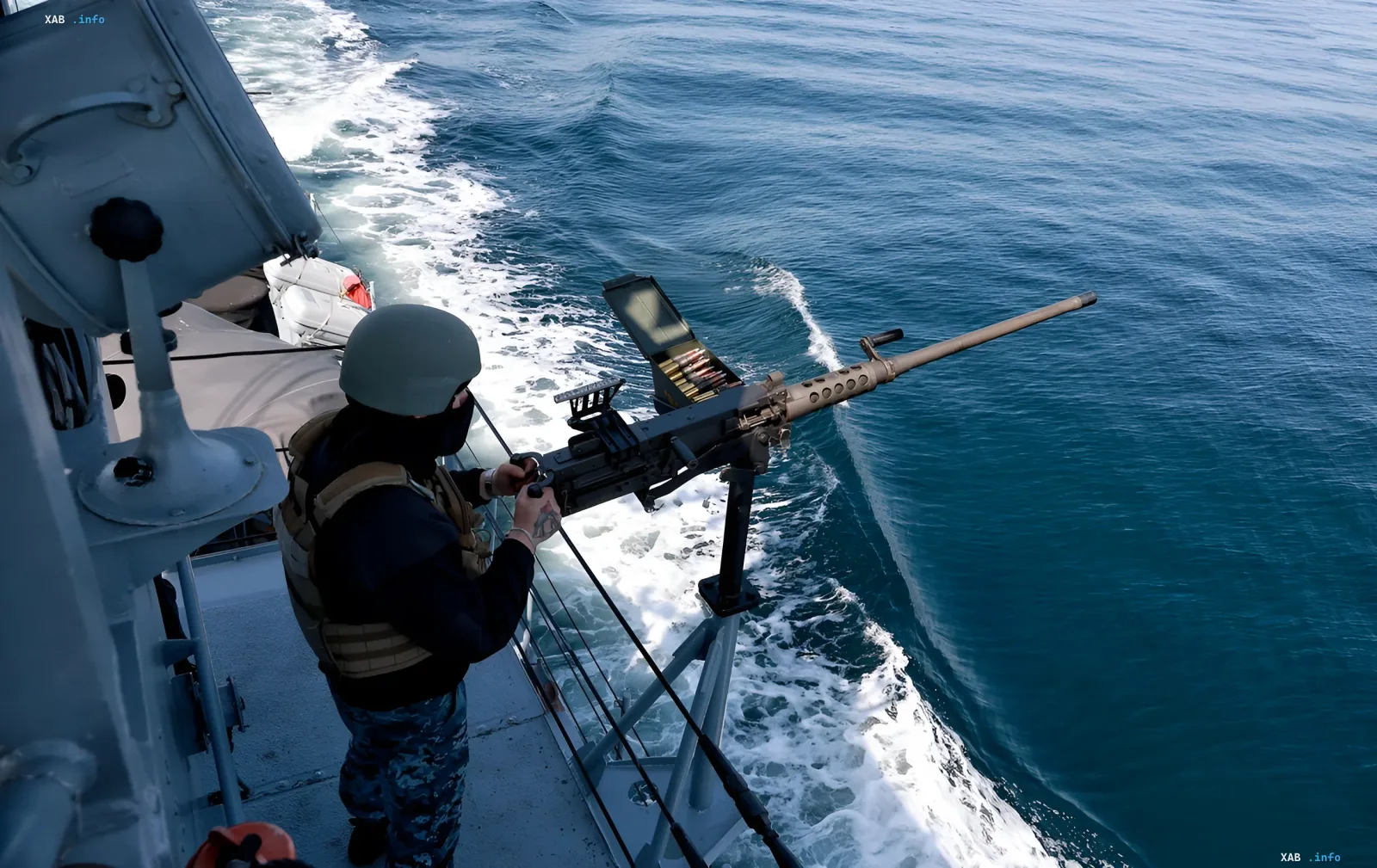
According to a statement released by the fleet command on Wednesday, the events that the media mistakenly interpreted as combat operations were actually part of scheduled training. On the evening of June 17, naval units conducted exercises aimed at practicing the skills to repel potential enemy strikes by sea drones.
Representatives of the department emphasized that these actions were exclusively training in nature and aimed at increasing the readiness of forces and means to respond operationally to potential threats in the Black Sea area.
Real Threat Remains
Despite refuting the facts of an attack on a specific day, the naval leadership did not downplay the real danger posed by Russian occupiers. The statement notes that the threat of using sea unmanned vehicles remains relevant, and the fleet continues to work on ensuring security and readiness for any challenges.
Context: A Series of Attacks on Shipping
The refutation of rumors about the events of June 17 comes against the backdrop of a real series of incidents that confirm a high level of threat to maritime transport in the region. Over the past few months, several serious attacks on civilian vessels have been recorded:
- June 10: Russian kamikaze drones attacked the southern districts of the Odesa region and the Black Sea area. As a result of the strike, two civilian cargo ships sustained damage.
- May 29: Russian forces struck a vessel traveling from one of the ports of the Odesa region to Turkey. The attack resulted in injuries among the crew members.
- Night of May 18: Occupiers attacked a Chinese merchant vessel located in Ukraine's territorial waters.
- End of April: A bulk carrier under the flag of Saint Kitts and Nevis, which was traveling via the maritime corridor to Odesa to load grain, came under fire. As a result of the attack, a fire broke out on board, and the navigation equipment failed.
These facts demonstrate that, although the information about the events of June 17 turned out to be false, the threat to shipping and coastal areas remains critically high, requiring the NFAFU to maintain constant vigilance and conduct regular exercises.


