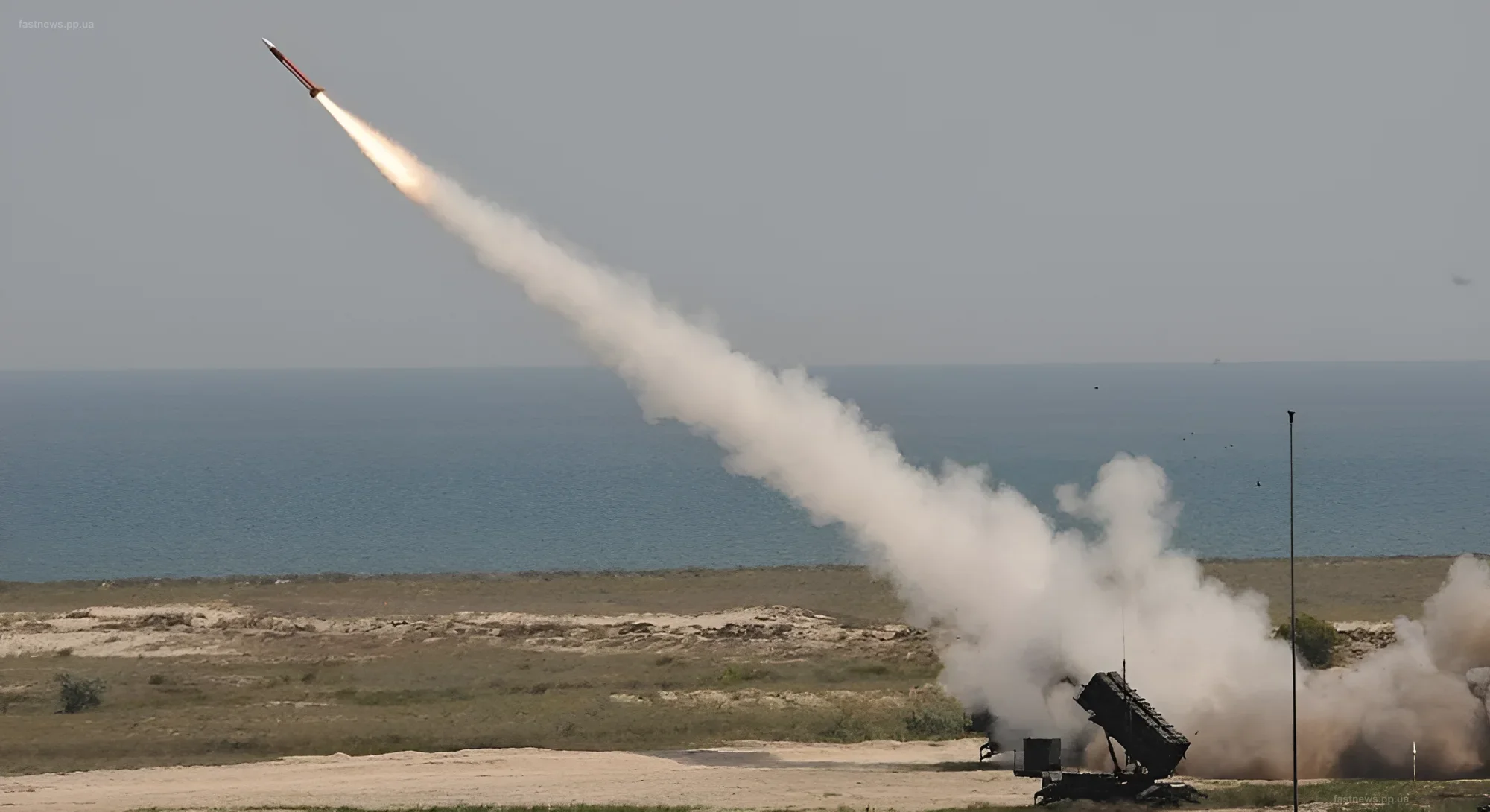
The question of whether Ukraine can independently produce missiles for Patriot air defense systems remains one of the key points in discussions about national security. Experts' answer is unambiguous: technically, this is possible, but it will require colossal time and financial resources. According to specialists, we are talking about terms measured in decades.
Poland's experience as a roadmap
Oleg Katkov, editor-in-chief of Defense Express, analyzing the prospects of the Ukrainian defense industry, points to the example of Poland. Warsaw signed a large-scale agreement with the USA on the localization of production of components for "Patriots" as early as 2019. Despite initial investments and offset agreements, the process has been going on not by days, but by years.
The expert gives specific figures: it took seven years to launch the production of even individual units, such as micro-engines for lateral maneuvering for PAC-3 MSE missiles. If we extrapolate this experience to the creation of a full cycle in Ukraine, then a term of 10 years looks like an optimistic forecast.
Complexity of technologies and global shortage
Production of interceptor missiles is not just assembling bodies. We are talking about high-tech processes requiring unique competencies and licenses. Ukraine has already begun to master the production of thermal elements for containers and power units, but the way to a ready-made warhead and engines remains long.
The situation is exacerbated by a global shortage. The Pentagon, faced with a surge in demand against the backdrop of conflicts in the Middle East, only recently decided to increase missile production to 2,000 units per year. As long as world factories have not reached planned capacities, and the needs of NATO countries and partners are growing, the issue of urgent delivery of ready-made systems for Ukraine remains critical.
Political aspect and Zelensky's request
Ukrainian President Volodymyr Zelensky has already appealed to American partners with a request to accelerate the issuance of licenses and deliveries. The acute lack of ammunition against the backdrop of intensive Russian shelling makes this issue a priority. However, as practice shows, even with political will, technological sovereignty in the field of air defense is built over years.


