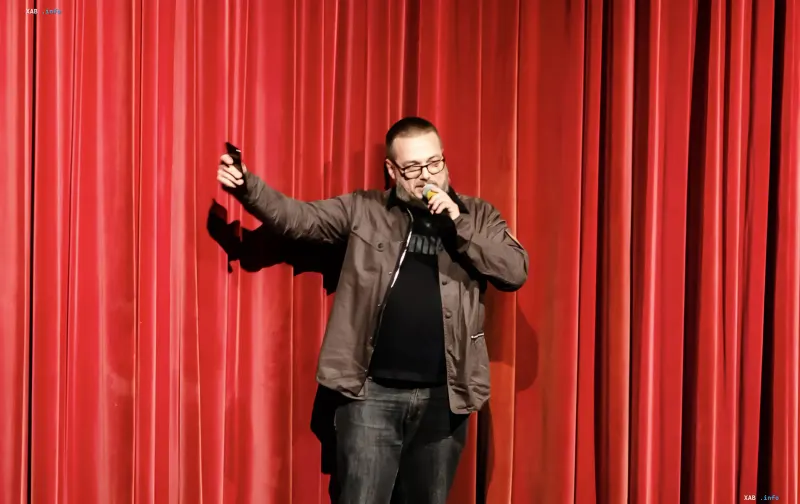
European tours of Ukrainian theaters have long ceased to be just a series of concerts in foreign cities. Behind every tour, according to Comedy Space producer Serhii Chudaiev, lie months of preparation, minute-by-minute logistics, and complex work with an audience that is no longer satisfied with the mere fact of artists arriving from Ukraine. In an interview with Wave RBC.UA, Chudaiev spoke about how the Ukrainian viewer abroad has changed, why advertising does not guarantee full houses, and what happens when a single unforeseen incident can disrupt the entire tour route.
Comedy that makes you cry: the new dynamics of the Ukrainian audience in Europe
One of the most unexpected phenomena encountered by Ukrainian troupes on European stages has been the emotional reaction of the audience. "We bring comedy, and after the show, we see tears. People laugh for two hours and then talk about how long they haven't been home," Chudaiev describes. According to him, part of the audience travels with the troupe from city to city to experience these emotions again. European theater workers, in turn, are often surprised: at a regular European venue after a comedy performance, several hundred Ukrainians begin to sing together, and for local staff, this is "a completely different culture of interaction with artists."
Word of mouth versus advertising budgets
Chudaiev emphasizes that the Ukrainian viewer abroad can no longer be interested solely by the arrival of artists from Ukraine. People have their own habits, expenses, and leisure alternatives, and the producer has to compete for their free evening. "You can spend significant funds on advertising, but it does not guarantee a full house. Especially when working in several countries at once, where the audience and communication methods differ," he notes. Based on his observations, one successful performance triggers a word-of-mouth effect that "is hard to buy with money": viewers begin to recommend the show to acquaintances, and this, according to the producer, is the most valuable thing for him.
Rescheduling in Krakow and Rzeszow: when circumstances break the route
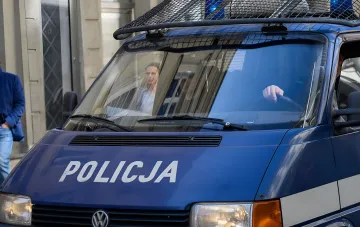
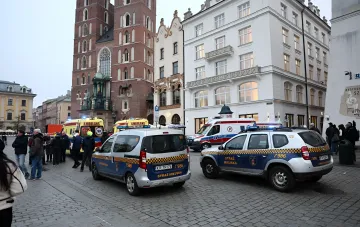
Chudaiev calls the rescheduling of performances in Krakow and Rzeszow the most difficult episode of recent tours. "After the tragic events in Krakow, the decision to reschedule was obvious to us. We could not hold entertainment shows when people are experiencing such an event," he explains. However, according to him, this is precisely when another part of the work begins: it is necessary to agree on new dates in a short time, coordinate tickets, artist schedules, and logistics, not knowing until the last moment whether previous agreements can be preserved. "The hardest part is taking responsibility for the consequences of circumstances you do not control," the producer summarizes.
Logistics that forgives no mistakes
According to Chudaiev, a tour route takes from six months to a year to prepare, and a single transport delay can disrupt it. "Behind a beautiful performance is a schedule planned literally to the minute. And if everything went flawlessly, the viewer will never guess how many troubles had to be resolved behind the scenes," he says. Rescheduling a single show, by his estimate, can cost much more than it seems: bringing artists from Ukraine to Europe for the sake of a single performance is practically impossible, and the producer has to look for new cities, coordinate schedules, and reorganize logistics. "In fact, through a single show, you may find yourself facing the need to plan a new tour," Chudaiev warns.
Theater as a meeting place: a vision for the future
Concluding the conversation, Chudaiev formulates an ambitious goal: Ukrainian theater abroad must cease to be "just a story about tours when artists arrived, played a show, and left." He addresses the audience directly: "There are two or three hundred of you here. You sit next to each other and don't even know who is beside you. What if this is your future employer, friend, or business partner?" According to his vision, theater evenings should become regular spots where Ukrainians not only watch performances but also meet, forming their own community outside of Ukraine. "I would like such meetings to take place regularly, and not just a few times a year," the Comedy Space producer emphasizes.