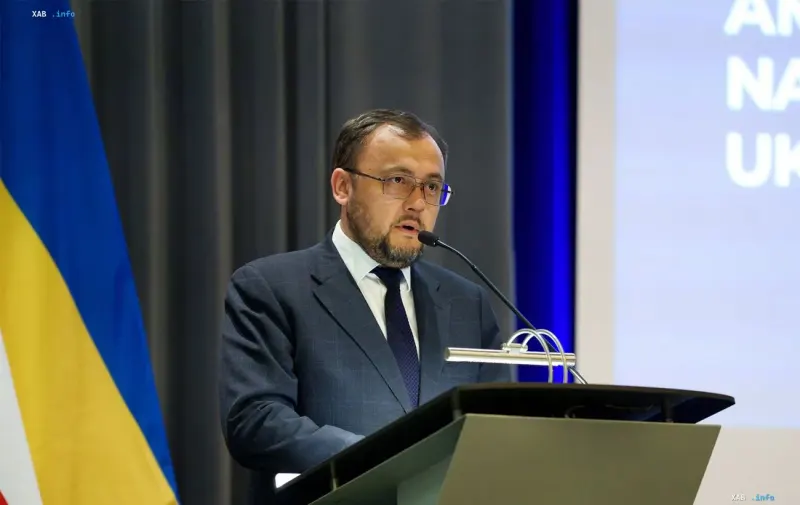
Over the past six months, the number of Ukrainians using temporary protection in Poland has decreased by approximately 40,000 people. This was stated by Ukrainian Ambassador to Poland Vasyl Bodnar in an interview with RBC-Ukraine. The diplomat emphasized that this decline in statistics does not necessarily mean a mass departure of Ukrainian citizens from the country. According to him, several factors influenced the change in the figures — from administrative changes in Polish legislation to the overall atmosphere in which Ukrainian refugees find themselves.
Administrative Transition: From PESEL UKR to the CUKR Card
According to the ambassador's assessment, a key factor was the changes in Polish legislation. As early as March 2026, the validity period of the special provisions that provided separate benefits for Ukrainians fleeing Russia's full-scale aggression expired. Since May, the procedure for transitioning from PESEL UKR status to the CUKR card has been in effect in the country. The new document is issued for three years and provides full access to the labor market, as well as the opportunity to engage in business activities. However, as Bodnar noted, some Ukrainians did not manage to meet the necessary requirements for changing their documents, did not update their personal data, or registered incorrectly when crossing the border. As a result, such individuals lost their PESEL UKR status, and its reacquisition turned into a complex procedure, since the main focus in the system shifted to registration in the new CUKR format.
Unbearable Atmosphere as a Factor of Departure
In addition to legislative changes, the ambassador did not rule out that some Ukrainian citizens did indeed decide to leave Poland against the backdrop of the overall unfavorable atmosphere. In the context of this statement, Bodnar previously reported that over the past three years, the number of attacks on Ukrainians in Poland has increased by 30%. In the diplomat's opinion, this statistic forms an additional backdrop that influences the decision about staying in the country. Thus, the reduction in the number of people under temporary protection is a combined effect: some people left by their own choice, while others lost their status due to bureaucratic difficulties in transitioning to the new document system.
Contradictory Data
In the media space, the topic is covered with somewhat different emphases. Ukrainian media Focus.ua and aggregators citing Polish media describe the situation as "increasingly frequent refusals" to grant temporary protection status to Ukrainians in Poland. The ambassador, however, in an interview with RBC-Ukraine, emphasizes that it is not so much about "refusals" in the classical sense, but about the administrative consequences of the transition to the new CUKR system: people lose their status not because they were "refused" it, but because they did not meet the deadlines for updating data or made errors during registration. Both versions agree that the number of Ukrainians with a valid protection status is indeed declining, but they differ in their interpretation of the causes — from systemic discrimination to technical bureaucracy. The final verdict on what share of the 40,000 who left is related to actual departure and what share is due to the loss of status on formal grounds has not been stated by either side as of the time of publication.
What This Means for Ukrainians in Poland
For Ukrainian citizens in Poland, the situation means the need to carefully track the deadlines and procedures for transitioning to the CUKR card. Ambassador Bodnar directly stated that reacquiring the lost PESEL UKR status has become significantly more difficult, since priority in the system is given to the new registration. Ukrainians who have not yet transitioned to CUKR are advised to contact the relevant authorities as soon as possible to update their data and confirm their status in order to avoid losing access to the labor market and social guarantees. Against the backdrop of the overall reduction in the number of people under protection by 40,000 over six months, the question of correctly navigating the changed legal environment becomes critically important for tens of thousands of Ukrainian refugees in Poland.