
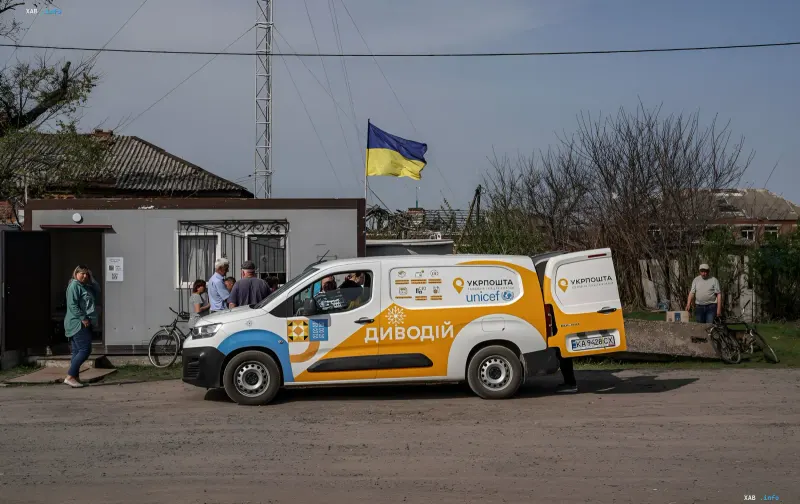
The General Director of Ukrposhta JSC, Igor Smelyansky, has announced a major reform of the company's tariff policy. Starting July 1, 2026, services will become more accessible for certain categories of clients, while the cost of other services will increase. The main vector of change is the desire to equalize the conditions for receiving mail for residents of cities and rural areas.
Abolition of surcharges for delivery to villages
The most significant innovation is the abolition of the surcharge for delivering correspondence and parcels to rural areas. Previously, when ordering through mobile offices, clients paid an additional fee of 45 hryvnias. Now this practice is becoming a thing of the past.
Smelyansky emphasized that delivery to villages where a "point of presence" operates — whether a full-fledged office or a room in the village council — will now cost the same as delivery within the city. This decision aims to eliminate inequality in access to communication services for residents of different regions.
New rules for lockers
Changes will also affect automated pickup points. From July 1, the surcharge for receiving orders at Ukrposhta lockers will also be abolished. The company aims to ensure that rural residents have the same opportunities as urban residents, without additional financial barriers.
Increase in courier delivery costs
Against the backdrop of simplified access to services for rural residents, the company is forced to review prices for courier delivery. The reason is the sharp increase in fuel costs. According to the general director, the tariff will increase by 5 hryvnias.
Smelyansky noted that even with the increase, the tariff of 50 hryvnias remains one of the most affordable on the market. He urged clients not to perceive this change as a significant burden, comparing the increase amount to the price of a candy bar.
Focus on customer service
In his address to the public, the head of Ukrposhta thanked clients for their trust and urged them to visit the offices. Previously, the company had already expanded the network of lockers in new cities and changed the format of parcel delivery, striving for maximum efficiency and convenience for users.


