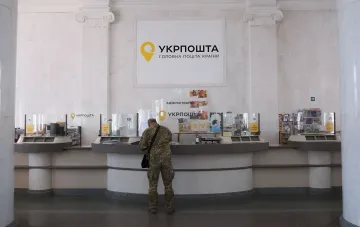
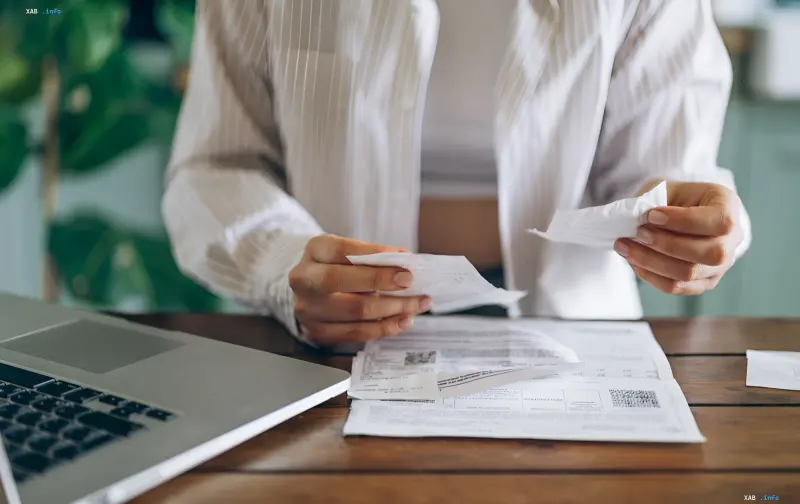
Starting August 1, new rules for issuing paper receipts for utility and other payments will come into force in Ukraine. Now, receipts issued by "Ukrposhta" will print the payer's personal data. This requirement is established by the National Bank of Ukraine and applies to all financial service providers — both banks and postal operators.
Why the changes were introduced
The decision to implement new rules is based on the resolutions of the NBU Board No. 163 dated July 29, 2022, and No. 103 dated September 25, 2018 (with subsequent amendments). According to these documents, all financial operators are required to indicate identifying client data on receipts.
"Ukrposhta" has officially stated that it is forced to comply with these requirements, despite its objections. The company's press service emphasized that such norms contradict international standards for personal data protection.
What clients should do
If you have previously provided your RNOKPN (taxpayer account card registration number) to "Ukrposhta" — for example, when receiving social payments, "Winter Support," or energy-saving lamps — you do not need to provide it again. The system already contains this information.
If your data is missing from the database, the operator will ask you to provide it once. After that, it will be automatically added to all subsequent receipts.
Recommendations from "Ukrposhta"
The company advises clients to:
- Dispose of receipts at home that are not needed for accounting or reporting.
- Not worry about data security — all payment information is stored electronically in accordance with the law.
- Approach the changes with understanding, as they have been introduced at the regulator level.
"Ukrposhta" also noted that it has appealed to the NBU, the government, the Verkhovna Rada, and the Ombudsman with a proposal to reconsider this decision. However, until it is changed, the company is obliged to comply with it.
Additional changes in Ukrposhta operations
Recall that earlier the company already changed the format of parcel delivery and adjusted tariffs in July. New opportunities for rural residents were also introduced — the ability to pay utility bills and withdraw cash without having to travel to the district center.