The 2026 World Investment Forum, organized by the United Nations Conference on Trade and Development (UNCTAD) and held from October 25 to 27 in Doha, Qatar, summarized global investment trends which, according to the organization, indicate a deepening divide between rich and poor economies. The key document of the forum was the latest edition of the Global Investment Trends Monitor, as well as the UNCTAD World Investment Report 2026. Representatives from governments, businesses, and financial institutions discussed investment attraction and job creation against the backdrop of data showing that capital concentration remains at record highs.
Investment Gap: 80% of FDI in 20 Economies
According to the UNCTAD World Investment Report 2026, in 2025, more than 80% of global foreign direct investment (FDI) inflows went to just 20 economies. The organization emphasizes that this concentration widens the investment gap between countries and creates the risk of developing economies falling even further behind. At the same time, in the first half of 2026, overall investment flows increased; however, as monitoring authors note, this growth was driven by large high-value deals, while the number of new projects and cross-border operations decreased.
AI Infrastructure and the "Digital Divide"
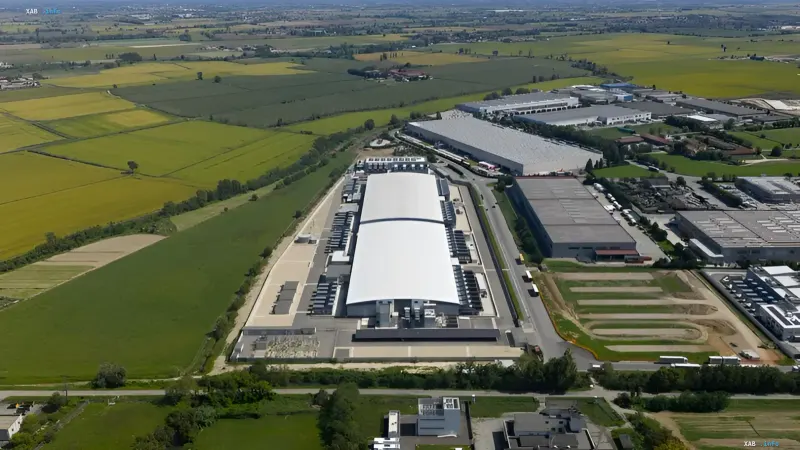
UNCTAD highlights a separate factor in this lag: the concentration of investment in artificial intelligence infrastructure primarily in developed countries. According to published data, investment in data centers in developing countries decreased by 32 billion dollars. The organization attributes this to the fact that capital directed toward computing power, data centers, and related AI infrastructure is increasingly concentrated in wealthy economies, cementing technological inequality.
Decline in Sustainable Development Projects
As part of the Global Investment Trends Monitor report, UNCTAD recorded that the number of new projects announced in developing countries in critical sectors such as infrastructure, energy, healthcare, and food systems declined by more than 25% compared to the same period last year. Estimates on sustainable development projects are based on data from the first six to nine months of 2026 with an extrapolation for the entire year. Thus, despite the growth in total foreign investment volume driven by large-scale deals, the number of new sustainable development projects in developing countries has dropped noticeably.
UNCTAD Initiatives and New Partnerships
In response to this situation, UNCTAD proposed a global initiative for sharing investment risks and tools to mobilize funds for artificial intelligence infrastructure, aimed at helping developing countries expand their development resources. The forum also outlined principles for modernizing investment agreements and promoting cooperation with the International Union of Credit and Investment Insurers (Berne Union) in investment insurance, as well as building partnerships to support vulnerable economies. In addition, the Blue Economy Development Fund provided financing for its first project in Sao Tome and Principe.
What This Means for Developing Countries
The results of the 2026 forum present a dual picture: on the one hand, overall FDI flows are growing; on the other hand, the structure of these flows is becoming more polarizing, and the number of new projects in key development sectors in poor countries is declining. The mechanisms proposed by UNCTAD—ranging from the AI infrastructure initiative to cooperation with the Berne Union and partnerships to support vulnerable economies—are aimed at bridging this gap and ensuring developing countries have access to the investments necessary for sustainable development.