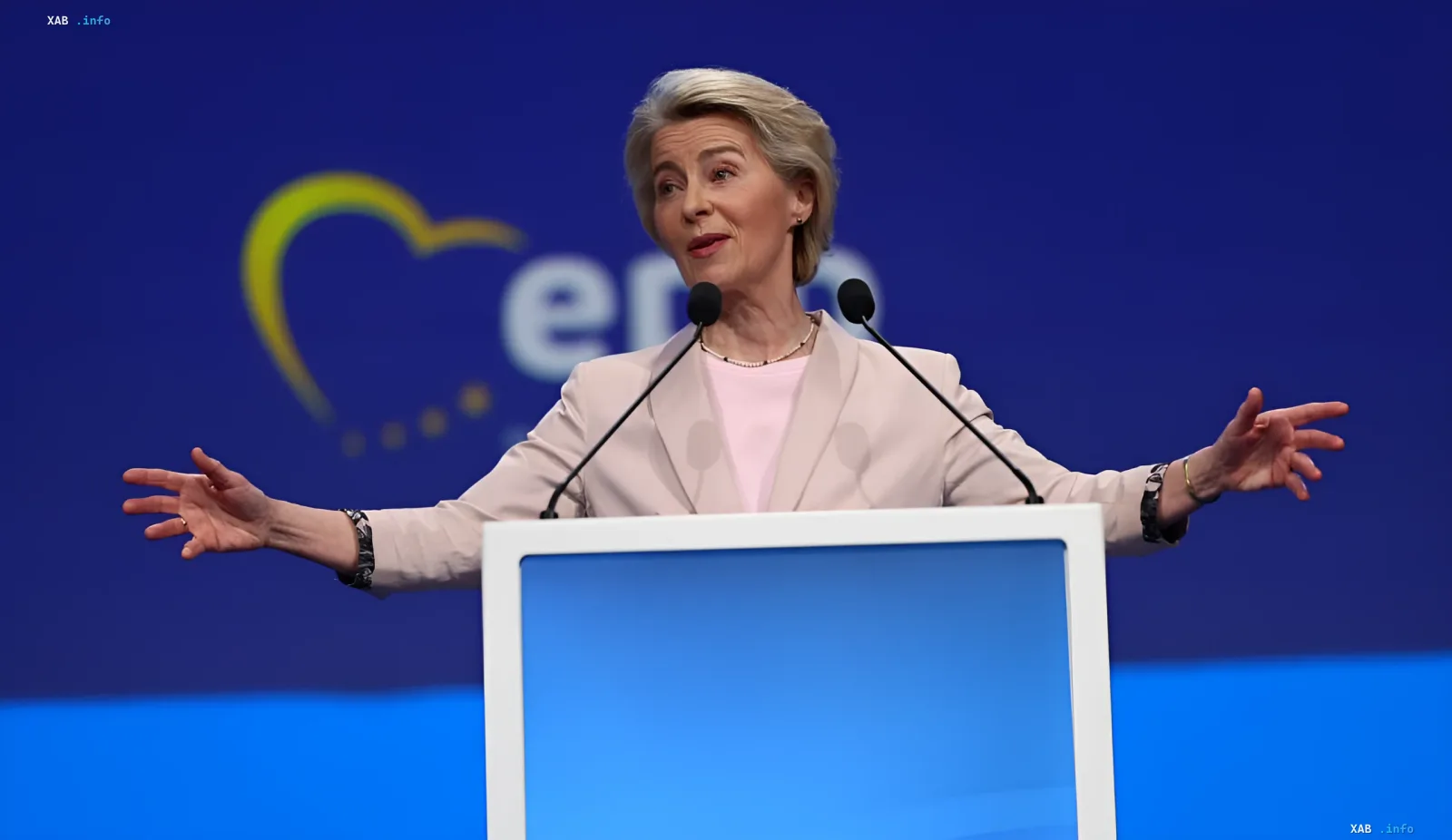
The "Group of Seven" (G7) summit, taking place in France, has become a platform for discussing the most pressing issues of international security. European Commission President Ursula von der Leyen focused her speech on two key flashpoints: Iran's nuclear program and the ongoing conflict in Lebanon.
The European leader clearly outlined Brussels' position: any international agreements must be aimed at winding down military developments in Tehran. Von der Leyen emphasized that diplomatic efforts must not be limited to formal declarations but must lead to concrete results in the field of disarmament.
The Link Between Iran and Stability in Lebanon
In her speech, the EC President drew a direct parallel between Iran's actions and the situation in the Middle East. According to her, it is impossible to achieve lasting peace while the region remains ablaze. The EU leader called for a genuine ceasefire and full respect for Lebanon's sovereignty, pointing out that stabilization in that country is a necessary condition for the security of the entire region.
"An agreement must open the door to broader negotiations and lead to the cessation of Iran's nuclear and ballistic missile programs," stated Ursula von der Leyen, emphasizing that diplomacy must work to prevent escalation.
Energy Dependence as a Tool of Pressure
In addition to geopolitical issues, the G7 summit provided an opportunity to discuss energy security. Von der Leyen drew attention to the risks states face due to dependence on external resource supplies. She noted that the current crisis has once again demonstrated how energy vulnerability can be used as a weapon against sovereign nations.
This lesson, in the opinion of the European Commission President, should become a catalyst for reviewing energy supply strategies and finding ways to reduce dependence on unfriendly suppliers.


