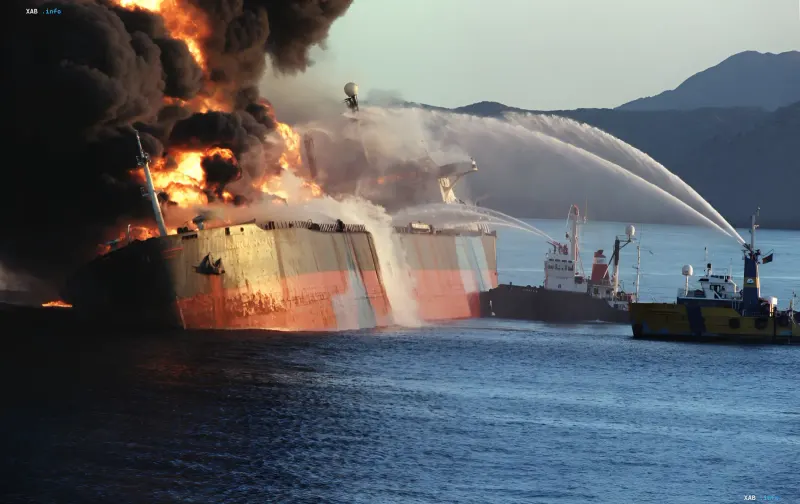
On November 26, US aircraft carried out a precision-guided munition strike against the commercial bulk carrier Pacific Archer in the Gulf of Oman. According to the US Central Command (CENTCOM), the Palau-flagged vessel departed from the Iranian port of Bandar Abbas and attempted to navigate through regional waters while ignoring multiple warnings from the US military. According to the command, the strike targeted the vessel's stern, disabling its engine while leaving the civilian crew unharmed.
Incident Progression
According to CENTCOM, the crew of the Pacific Archer attempted to breach the maritime blockade of Iran despite repeated signals from US forces. After demands were ignored, a military aircraft launched a pinpoint strike that crippled the vessel's propulsion system. The command emphasized that all crew members survived and sustained no injuries, and the goal of the strike was to immobilize the vessel rather than harm personnel.
Scale of Containment Operation
CENTCOM stated that the blockade regime remains fully in effect. According to the command, US forces have already forced 158 commercial vessels to alter their courses, while another six that refused to comply have been immobilized. The military urged all mariners in the Gulf of Oman and the approaches to the Strait of Hormuz to heed US military warnings and refrain from attempting breakthroughs.
Context: From Initial Blockade to Total Containment
The US first imposed a blockade on Iranian ports on April 13, pledging to apply it to vessels of all nations entering or leaving Iranian ports. In the summer, after Iran closed the Strait of Hormuz, US President Donald Trump announced the resumption of the blockade and at the time proposed charging a fee for all vessels passing through the strait. This idea was subsequently rejected: Trump abandoned paid passage and promised a total blockade of vessels linked to Iran.
Significance for the Region
The incident involving the Pacific Archer has become one of the most indicative episodes of the current maritime blockade phase: it demonstrates the readiness of the US command to use kinetic force against commercial vessels ignoring the containment regime. For shipping in the Gulf of Oman and approaches to the Strait of Hormuz, this means maintaining an elevated risk level and requiring strict compliance with US military signals.