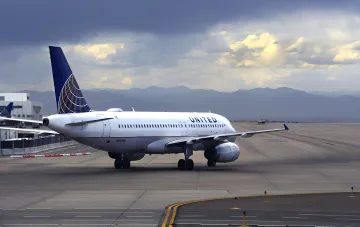
Air travel in the United States is gradually returning to normal after three days of massive disruptions, which marked the largest nationwide incident in the country's civil aviation since 2001. On Monday morning, November 16, according to FlightAware, more than 250 domestic and international flights were canceled at US airports—a figure dozens of times lower than in previous days. The number of delayed flights also dropped to over 700, whereas the day before this figure exceeded 10,000. US Transportation Secretary Sean Duffy stated on ABC television that airport operations would fully return to normal on November 16, but acknowledged that due to Friday's events, planes and crews ended up out of position, and time is needed to restore logistics.
Scale of the Disruption: Numbers That Speak for Themselves
On November 13 and 14 combined, approximately 14,500 flights were canceled, and thousands of others were delayed. At the peak moments of the disruption, according to Flightradar24, about 3,100 aircraft were airborne over the US territory without being able to land on schedule. Flight departure restrictions introduced on November 13 lasted for nearly five hours, but the consequences for passengers stretched across the entire weekend: thousands of people were stranded in overcrowded airports, and airlines struggled to reassign crews and aircraft. According to several sources, the schedule was disrupted for a total of about 17,000 flights over the entire disruption period.
The Cause: Outdated Infrastructure and Scheduled Router Replacement
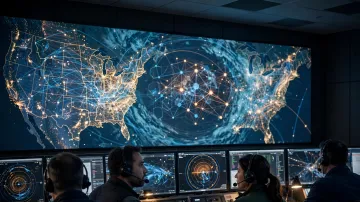
According to Transportation Secretary Sean Duffy, the massive disruptions began after a router replacement carried out on November 13 by contractor L3Harris at a Federal Aviation Administration (FAA) facility in Arkansas. This action led to malfunctions in another router in Texas, causing the nationwide air traffic control network to be overloaded with excessive data traffic. The devices that caused the problems were installed back in 2001 and had been officially considered obsolete since 2006. The exact cause of the failure, which occurred during scheduled maintenance work, remained unclear at the time of publication and is still under investigation.
Cyberattack and AI Ruled Out
US authorities explicitly ruled out the possibility of a cyberattack or sabotage: no signs of external interference in the air traffic control systems were found. Secretary Duffy also emphasized that the incident is not related to the use of artificial intelligence. Thus, the cause of the largest disruption in a quarter of a century was not an external technological threat, but the wear and tear of domestic infrastructure and errors during scheduled maintenance.
The Second Time in History: Ground Stop of All Departures
The ground stop on all US airport departures, introduced on November 13, became only the second time in the country's history that such measures were implemented on a nationwide scale. The first time a similar decision was made was after the September 11, 2001 terrorist attacks. At that time, the skies over the US were closed for several days; this time, formal restrictions lasted about five hours, but actual airport disruptions lasted significantly longer. The incident sparked a new wave of discussion about the funding of outdated air traffic control systems, which, according to industry experts, suffer from a chronic shortage of qualified personnel.
Political Fallout: Trump Blames Predecessor
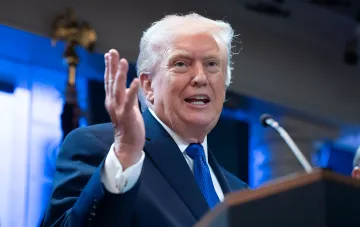
US President Donald Trump spoke publicly about the flight disruptions for the first time on November 15, blaming his predecessor Joe Biden for the incident. “Massive funds were spent unwisely, causing the old and faulty system to work even worse than before,” he stated. These statements added a political dimension to the technical incident and increased pressure on the administration regarding the modernization of FAA infrastructure.