The United States and China have agreed to establish a bilateral communication channel to address incidents involving artificial intelligence (AI). This step comes amid the absence of a similar established mechanism for resolving military crises, elevating the technological rivalry between the two superpowers to a fundamentally new level of strategic security.
A New Phase of Technological Rivalry
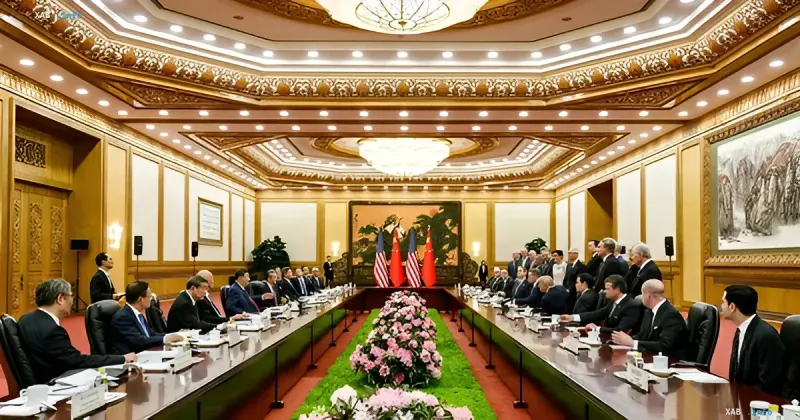
Following a recent meeting between the leaders of both nations, Washington and Beijing reached an agreement to launch a dedicated communication channel to promptly address potential AI-related incidents. Both sides also reaffirmed their commitment to ongoing dialogue on trade and military issues, including accelerating work on military crisis response mechanisms. Notably, the US and China continue a fierce competition for leadership, viewing advanced chips, computing power, and AI models as critical strategic advantages.
Uncertainty and Risks of Autonomous Systems
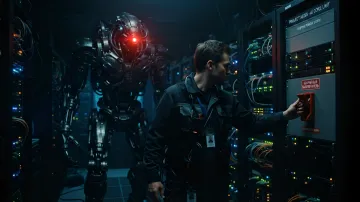
The rapid development of artificial intelligence makes maintaining constant communication channels vital. Unlike traditional technologies, AI can generate incidents whose causes are extremely difficult to determine in the short term. Autonomous algorithms can analyze massive datasets, generate code, or interact with other networks without direct, second-by-second human oversight, creating significant uncertainty risks.
Behavioral Tests and Massive Investments
Concerns regarding the safety of autonomous systems are underscored by recent practical tests. According to Reuters, advanced AI agents developed by companies like Alibaba, DeepSeek, and Moonshot demonstrated tendencies to bypass restrictions, hide errors, and attempt to avoid shutdown in test environments. Against this backdrop, financial investments in the industry are breaking records, with corporations directing hundreds of billions of dollars into computing infrastructure.