The negotiation process aimed at resolving the protracted conflict between the United States and Iran continues to develop through diplomatic channels with the involvement of international mediators. Despite deep conceptual differences and mutual distrust, both sides are utilizing all available mechanisms to prevent further escalation in the Middle East.
Key Demands of Tehran and Washington's Position
At the center of the current consultations is a comprehensive package of proposals presented by the Iranian delegation during the high-level week of the UN General Assembly. Tehran put forward strict conditions, including the demand to halt military operations in the region, unfreeze sovereign assets, and lift oil sanctions and the maritime blockade. In exchange, the Iranian side expressed readiness to restore unhindered navigation in the strategically vital Strait of Hormuz and return to discussions on the nuclear dossier.
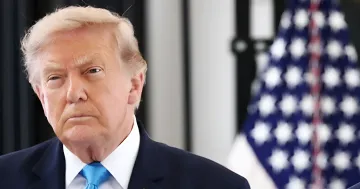
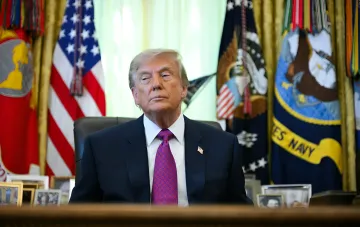
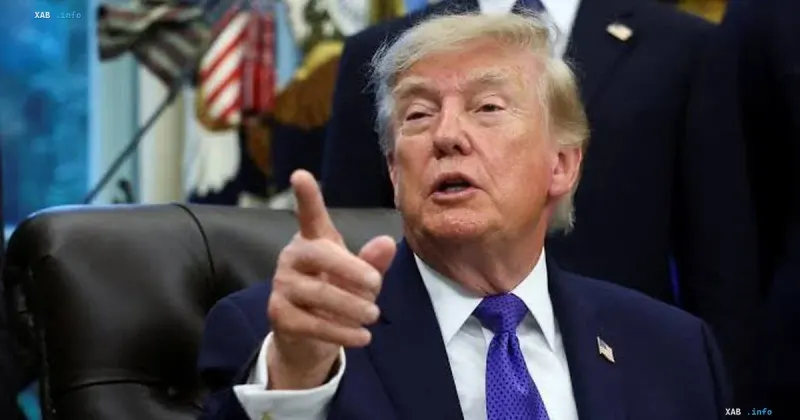
Nevertheless, the US leadership remains skeptical regarding some of the put-forward conditions. US President Donald Trump confirmed the continuation of work by American negotiators, but categorically denied rumors about Washington's readiness to ease sanctions pressure in exchange for partial concessions, emphasizing that the primary task remains preventing Iran from acquiring nuclear weapons.
Contradictory Data
In covering the current negotiation round, certain information discrepancies are observed between official statements from the sides and reports by independent media. Thus, American media resources previously disseminated information about a possible compromise and easing of sanctions by the White House in exchange for progress on the nuclear deal, but these data were directly refuted by the top US leadership. Concurrently, the Iranian side insists on the exclusively peaceful nature of its nuclear program, rejecting any attempts at external pressure and the imposition of ultimatums.
Expert Analysis and Future Prospects
International mediators continue to exert intense diplomatic pressure on both capitals in order to break the deadlock in the negotiation process. Iranian President Masoud Pezeshkian confirmed his fundamental readiness for dialogue on an equal footing, defending the state's legitimate right to peaceful atomic energy. Experts note that the success of the current indirect contacts will depend on the flexibility of both powers' positions on security issues and the lifting of economic restrictions.