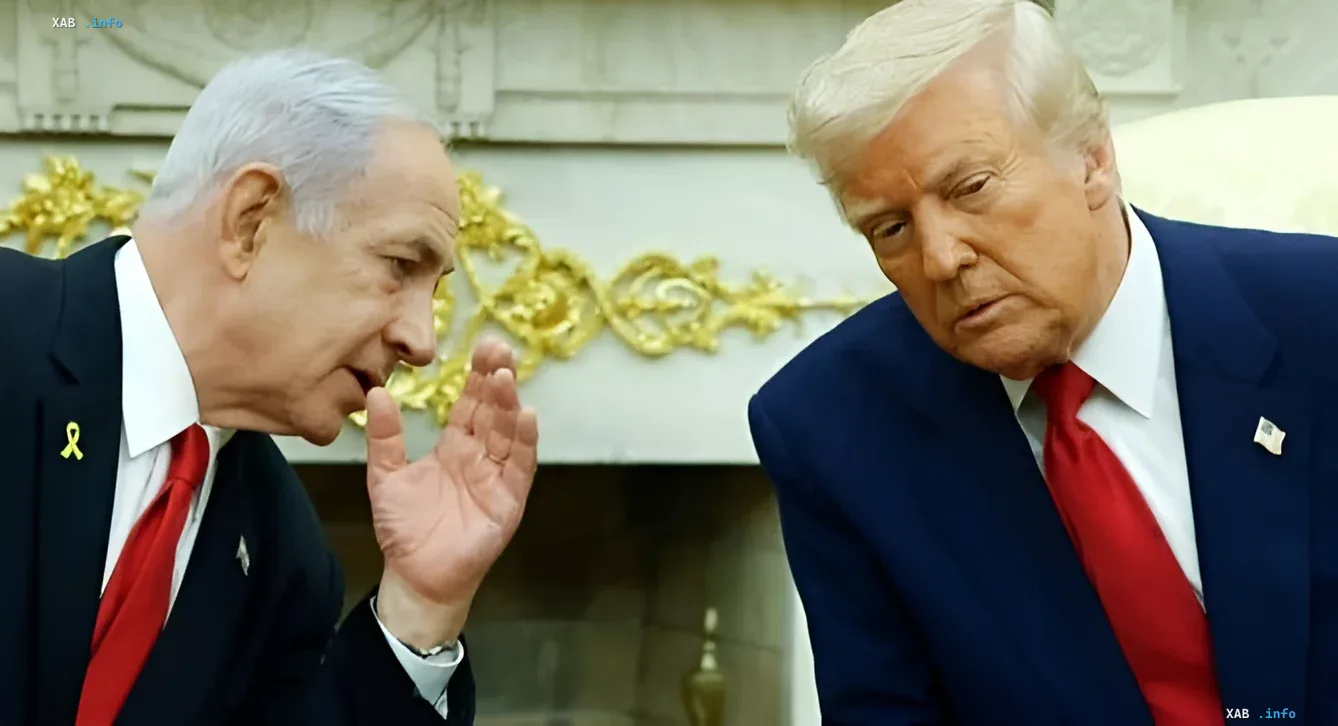
Diplomatic relations between Washington and Tel Aviv have faced a serious test. According to a report by the authoritative Israeli channel N12, the US administration officially rejected Israel's request to review the full text of the memorandum of understanding with Iran. This decision was made on the eve of the expected signing of the agreement, which is scheduled to take place on Friday.
Reasons for Secrecy and the White House Position
Israeli officials, fearing that the terms of the future deal could jeopardize the country's national security, insisted on a preliminary review of the document. Particular concern in Tel Aviv is caused by issues regarding Iran's nuclear program and the presence of the militant group Hezbollah in Lebanon. However, Washington preferred to keep the details of the agreement under strict secrecy until its public disclosure.
US President Donald Trump explained the decision to keep the document secret as a desire to avoid information leaks and distortions in the media. He confirmed that he would personally hold a press conference where he would read the text of the document "word for word." According to the head of state, this approach will allow the public to receive information from the primary source, bypassing interpretations by journalists or third countries.
Document Status and Ceremony Details
Despite Israel not receiving access to the text, the "electronic" version of the memorandum has already been signed. Donald Trump, US Vice President JD Vance, and Speaker of the Iranian Parliament Mohammad-Bagher Ghalibaf have signed the document. The official in-person signing ceremony is scheduled for Friday, June 19, and will take place in Geneva.
Tel Aviv's Reaction
Against the backdrop of an information blockade, the Israeli leadership has taken a tough stance. Defense Minister Israel Katz and Prime Minister Benjamin Netanyahu stated that Tel Aviv will not consider itself bound by the obligations of this agreement. Special emphasis was placed on the ceasefire in Lebanon: Israel does not intend to fulfill the terms until its interests in the sphere of national security are guaranteed.


