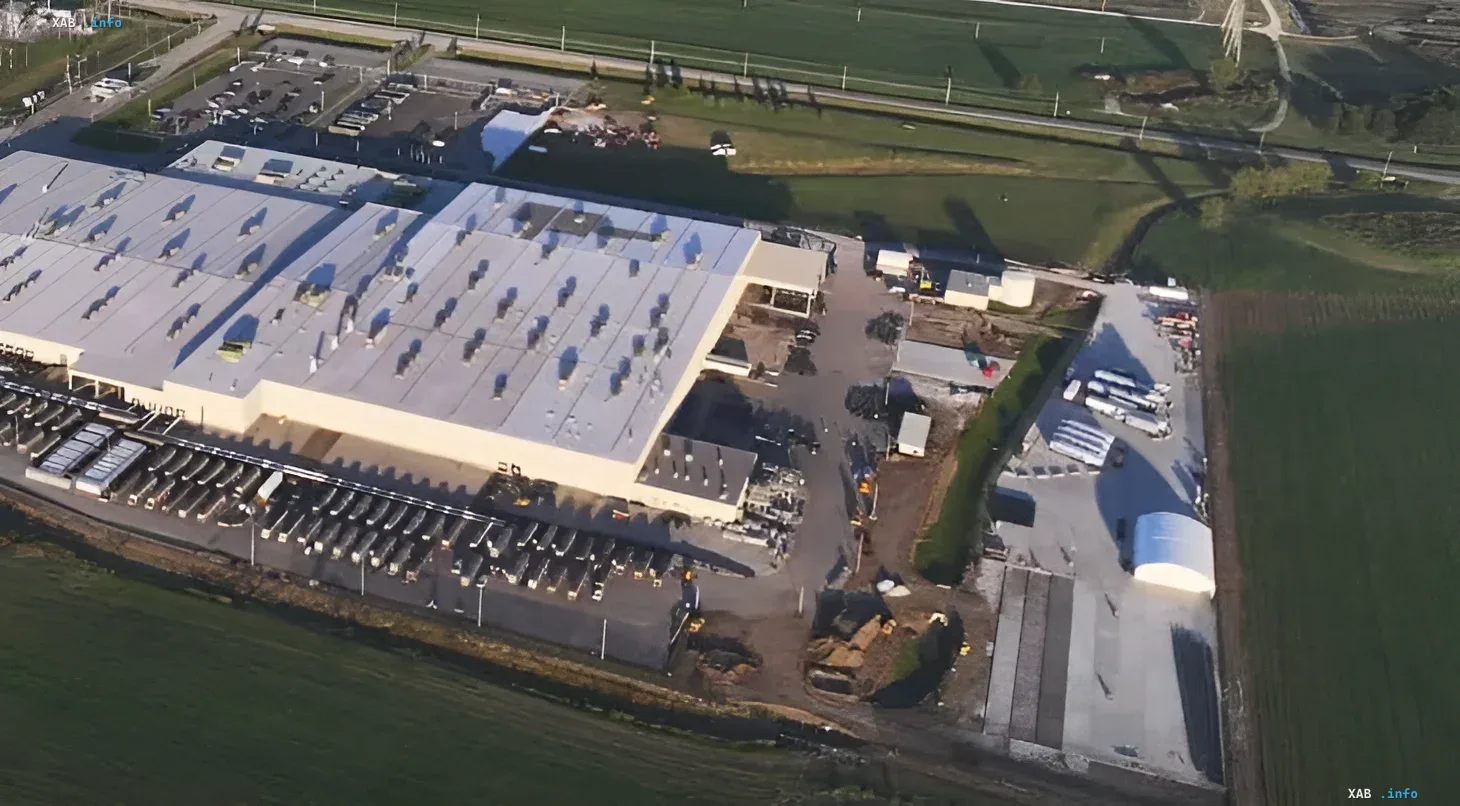
A conflict is brewing within the US judicial system where environmental regulations clash with national security interests and the development of artificial intelligence. The US Department of Justice (DOJ) has officially intervened in a legal proceeding concerning the operation of Elon Musk's xAI data center in Mississippi. The department has requested the dismissal of lawsuits filed by environmental organizations demanding the shutdown of powerful generators supplying energy to the computing complex.
Technological Giant and Environmental Debt
The focus is on the Colossus 2 data center located in Southaven. To ensure the uninterrupted operation of the supercomputer with a design capacity of 1 GW, xAI was forced to deploy an autonomous power system. Due to a shortage of capacity in local networks, 59 mobile gas turbines were installed at the facility.
According to data presented during the proceedings, actual operation involves 27 units, while the rest are classified as reserves. However, it is precisely these installations that have caused a serious environmental scandal. Expert assessments show that emissions from the turbines' operation far exceed the limits set by the federal "Clean Air Act":
- Nitrogen oxides ($NO_x$): actual emissions are approximately 2,500 tons per year against an allowable threshold of 100 tons.
- Carbon monoxide ($CO$): emission volume reaches 4,000 tons per year, which is 40 times higher than the norm.
- Formaldehyde: emissions are estimated at 22 tons per year, exceeding special limits for carcinogens.
Representatives of xAI are attempting to justify the lack of necessary permits by citing the mobile status of the equipment, referring to its temporary nature and the possibility of relocation within 12 months.
Lawsuit on Behalf of the Community
The initiators of the legal proceedings were the National Association for the Advancement of Colored People (NAACP) and the Southern Environmental Law Center (SELC). The plaintiffs point out that the data center is located in Shelby County and surrounding areas, where the population is predominantly African American (94%).
The organizations argue that the operation of the turbines strikes a blow to the ecological balance and the health of residents, whose respiratory disease rates already exceed the national average. In their view, the industrial operation of such equipment requires a comprehensive multi-year environmental assessment, which has not been conducted in this case.
The National Security Argument
The response to the lawsuit was an unexpected intervention by federal authorities. The US Department of Justice filed a motion to dismiss the case, relying on the national security doctrine. In the document, the department asserts that forcibly limiting the computing power of the Colossus 2 supercomputer poses a direct threat to the state's defense capabilities.
The key argument from the DOJ was the integration of xAI's infrastructure into the analytical systems of the Department of Defense. According to department representatives, the data center's capacity is used for the operational analysis and monitoring of geopolitical activity in the Middle East region. Stopping the generators, according to government logic, would paralyze these critically important functions.
A New Precedent in AI Regulation
The situation in Southaven demonstrates the willingness of US federal authorities to apply national security protection mechanisms to exempt commercial IT infrastructure from general environmental legislation. During the process, it became known that the Environmental Protection Agency (EPA) is already working on changes to the regulatory framework. A special legal regime for mobile power generation systems serving critical artificial intelligence facilities is planned.
This legal proceeding could become a precedent determining how environmental issues will be regulated in the era of rapidly growing energy demands from data centers and AI companies.