
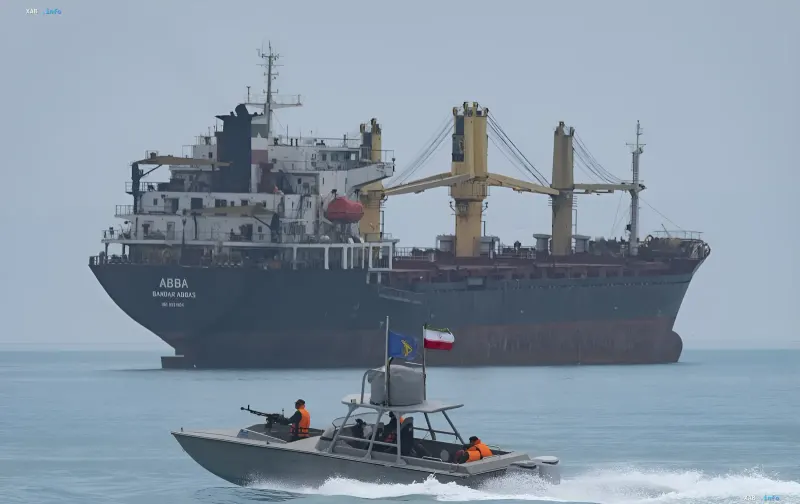
US military officials have presented extensive statistics regarding their operations in the Strait of Hormuz zone. The US Central Command (CENTCOM) officially confirmed that since the imposition of the blockade, US forces have stopped 141 Iranian vessels. This information was published on the social network X and republished by the RBC-Ukraine agency.
Operation scale and fleet status
According to data current as of June 13, US forces intercepted 141 commercial vessels with direct ties to Iran. The command clarified that some of the detained ships were disabled during operations. This indicates the harsh nature of the measures being applied to neutralize Iran's naval presence in the region.
Navigation rules and international transit
CENTCOM explained the criteria for applying the blockade. Restrictive measures apply to vessels of all nations that enter or leave Iranian ports. However, the command emphasized that navigation conditions for other vessels remain unchanged. "The international trade corridor remains open for transit," the department noted, seeking to maintain the stability of global logistics chains.
Context of regional escalation
These US actions are taking place against the backdrop of a tense situation in the Strait of Hormuz. Previously, Iran announced the closure of the strait to all types of vessels following the resumption of US strikes, threatening to attack any ship attempting to pass through this route. In response, Washington stated that commercial shipping through the strait had not ceased.
Additional complications
Parallel to the naval confrontation, the situation surrounding Iran's nuclear program has also intensified. It was recently reported that Tehran mined storage facilities containing enriched uranium and collapsed tunnels where material reserves were kept. Experts note that these actions will significantly complicate the implementation of a potential deal with the US to export nuclear materials in the event of a diplomatic agreement.


