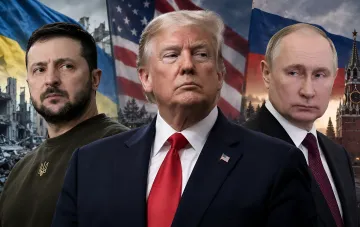
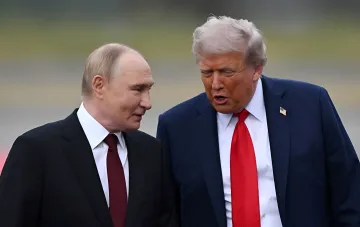
Special representatives of the US administration Steve Witkoff and Jared Kushner held a closed-door meeting with Ukrainian officials in Miami to discuss prospects for reviving the peace process. According to Reuters, the Washington strategy involves using large-scale economic steps — specifically, a recent agreement allowing the export of Russian diesel fuel — as a tool to bring Moscow back to the negotiating table. The US side emphasizes that this move is designed to demonstrate Washington's openness to pragmatic engagement, laying the groundwork for reciprocal steps from the Kremlin after previous diplomatic failures.
The Essence of the US Strategy and Kremlin's Reaction
According to sources close to the negotiation process, the diesel deal is presented by Washington as a signal of readiness for cooperation, which should be followed by a retaliatory impulse from the Russian side. The idea is to tell Moscow that the Ukrainian side has suspended strikes on oil refining facilities while the US has lifted certain restrictions, making it time for a substantive dialogue on a ceasefire. At the same time, a source close to the Russian leadership confirms that Moscow views this deal as a tool to resume contacts, yet the Kremlin's actual appetites remain unchanged. Moscow's position boils down to demanding control over the remaining 11% of the Donbas to demonstrate a domestic victory, whereas Kyiv insists on the unacceptability of territorial concessions.
Kyiv's Skepticism and Security Guarantees
The Ukrainian delegation approached the proposed US approach with considerable skepticism, viewing it as an attempt to appease the aggressor through business deals. During hours of negotiations, US representatives detailed the unprecedented military and intelligence support provided to the Ukrainian Armed Forces, though no direct ultimatums regarding stopping attacks on refineries under threat of cutting aid were issued. Beyond energy issues, the parties touched upon long-term security guarantees for Ukraine and the need to formalize investment plans for the country's recovery funds. Despite the absence of signed formal agreements, Kyiv expressed principled readiness to support an energy truce provided Russia agrees to the same.
Contradictory Data
In covering the details of the Miami meeting between US and Ukraine representatives, certain discrepancies are observed in assessments of its effectiveness and the motives of the parties. Official and administration-adjacent sources claim that the diesel deal can fundamentally change the conflict's dynamics and launch trilateral consultations. At the same time, Kremlin insiders insist that Washington's economic concessions cannot force Moscow to abandon its strategic goals on the front lines until full control over disputed regions is achieved. For their part, Ukrainian officials openly express fears that such economic compromises could be perceived as weakness by the Western coalition and an encouragement of further escalation.