
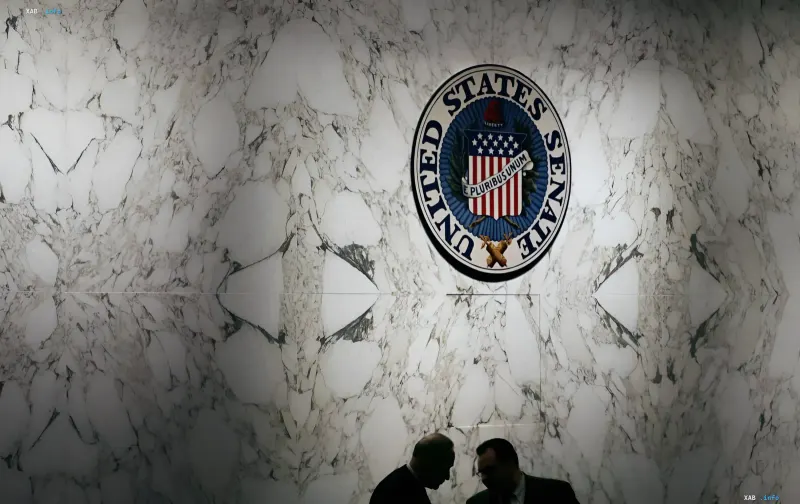
An event has occurred in Washington that could become a turning point in the current geopolitical tension. The US House of Representatives passed a resolution requiring President Donald Trump to withdraw American troops from Iran or obtain official authorization from Congress to continue hostilities. The vote concluded with a score of 215 to 208 in favor of the resolution.
Historical Split Among Republicans
The main news of the vote was not the fact of the resolution's passage itself, but how exactly it happened. For the first time in recent times, four representatives of the Republican Party (GOP) voted against their own president, joining the Democrats. Thomas Massie, Brian Fitzpatrick, Tom Barrett, and Warren Davidson decided that their party's patience regarding the protracted war had run out. This move signaled that intra-party unity on foreign policy matters is not absolute.
Republican leadership in the House had tried to prevent this vote two weeks ago, realizing they did not have enough votes to block the initiative. However, Democrats utilized the mechanism of the War Powers Resolution of 1973, which obliges legislators to consider such a resolution within a set timeframe.
Legal Traps and Political Power
Despite the success in the lower house, the path for the resolution to have a real impact on the course of events remains difficult. The document must now pass through the Senate, where its support is seriously doubtful. Moreover, even if approved by both houses, the legal force of such a decision remains controversial.
As early as 1983, the US Supreme Court ruled that for such resolutions to have a legally binding effect, they must be signed by the president. This means that forcing Trump to withdraw troops without his will or overcoming his veto with a two-thirds vote is practically impossible. Thus, the vote is more symbolic and political in nature, demonstrating Congress's dissatisfaction but lacking leverage for coercion.
Positions of the Sides and Administration's Reaction
House Speaker Mike Johnson warned that passing the resolution would weaken the US position in negotiations with Iran, calling it a step "dangerous for the country." The majority of Republicans supported the administration's version, according to which Iran posed a direct threat to US security, which is the legal threshold for initiating military action without prior Congressional approval.
In turn, Democrats insist that both parties are obliged to protect the constitutional role of the legislative branch in making decisions about the country's participation in prolonged combat operations abroad. They believe the president should not have unlimited powers regarding the initiation of war.
Crisis Amidst Negotiations and Rising Prices
The vote took place against the backdrop of a complex international situation. Negotiations between Washington and Tehran have reached a deadlock, and hostilities in the Persian Gulf have resumed. Markets reacted to the escalation: oil prices have been rising for the third day in a row.
Meanwhile, Donald Trump continues to assess the prospects for resolving the issue around the Strait of Hormuz. Recently, he made an unexpected statement regarding Iranian leader Ayatollah Ali Khamenei, adding intrigue to an already heated situation. While Congress attempts to limit the powers of the executive branch, tension in the Middle East continues to rise.


