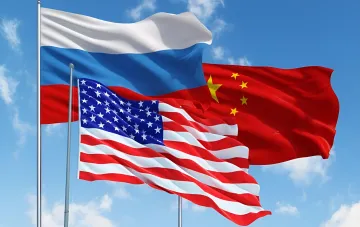
The United States of America has announced comprehensive restrictive measures targeting 13 individuals and entities based in various countries, including the Russian Federation, China, Hong Kong, and Pakistan. This decision was enacted by the U.S. Department of the Treasury and the Department of State in response to facilitating Tehran's acquisition of weapons, military components, and dual-use technologies.
Washington's Goals and Objectives
As emphasized by American administration officials, the new sanctions are a key element of the economic isolation strategy against Iran. This policy aims to compel the Iranian leadership to cease hostilities and initiate a negotiation process. According to U.S. Treasury Secretary Scott Bessent, Washington intends to strictly crack down on any attempts to bypass existing embargoes and will continue to expose enablers of the regime.
Contradictory Data
While official U.S. agencies report sanctions against 13 individuals and entities, discrepancies have emerged in expert circles and various media sources regarding the exact composition and scale of the targeted structures. Some specialized publications, citing their own sources, mention ten key figures and organizations forming the core of the supply network, while the total figure of 13 entities accounts for associated intermediaries and subsidiary companies in third countries.
Political Context and Reaction
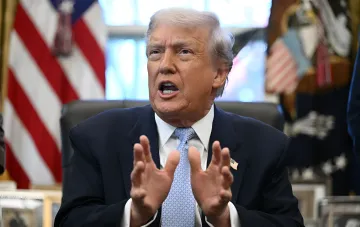
The tightening of sanctions pressure is occurring against the backdrop of a complex diplomatic situation and ongoing military confrontation in the Middle East. Earlier reports indicated that U.S. President Donald Trump remained skeptical of Tehran's latest peace initiatives, while parallel media reports circulated regarding Washington's potential readiness to review sanction policies in exchange for concrete steps by Iran to curb its nuclear development.