The economic situation in the United States has once again taken center stage in global financial markets and political circles. According to official data from the U.S. Bureau of Labor Statistics (BLS) published on October 14, the country's inflation rate rose to 3.7% year-over-year in September. This figure exceeded the consensus forecast of economists surveyed by Dow Jones, who had expected a 3.6% increase. The primary driver behind the acceleration in price pressures was a sharp surge in energy costs, particularly gasoline, prices for which jumped by an impressive 9.1% during the month.
Price Pressure Factors and Inflation Structure
A detailed analysis of the consumer basket shows that price growth is systemic in nature. In addition to gasoline, which accounted for more than half of the total increase in the Consumer Price Index (CPI), significant price hikes were recorded in housing, apparel, and food categories. Against this backdrop, core inflation—which excludes volatile food and energy prices—grew by 2.6% annually and 0.3% monthly, coming in slightly better than initial analyst forecasts. Nevertheless, the overall picture remains tense: as of September, American wages were growing at an average annual rate of 3%, continuing to lag behind inflation rates.
Impact on Fed Monetary Policy and Market Reaction
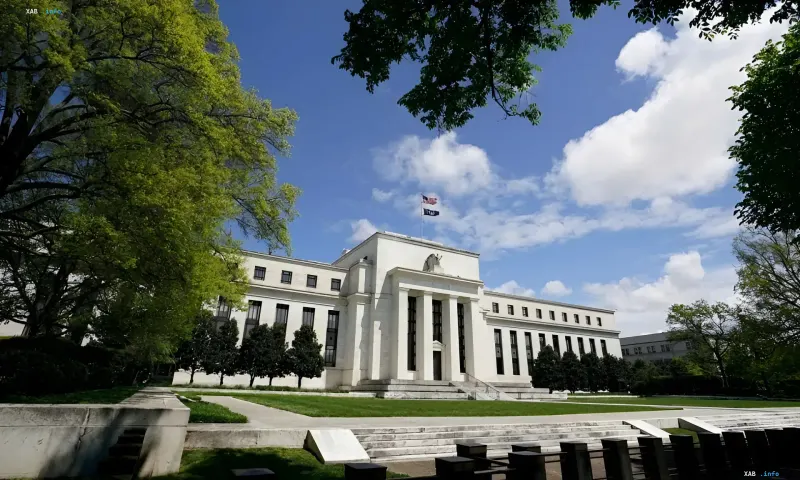
The release of such a troubling macroeconomic report immediately impacted investor behavior and expectations regarding the Federal Reserve's (Fed) next steps. Before the official statistics were released, market participants anticipated that the U.S. regulator would pause and delay raising interest rates until December; however, following the publication, the probability of monetary tightening as early as October exceeded 55%. Financial markets reacted to the heightened risks with a sharp sell-off: key stock indices plunged deep into negative territory, with the Nasdaq index dropping 1.88% and the S&P 500 falling 1.1% by the close of trading on October 14.
Political Context and Administration Response
These developments unfold at a critical moment for the American political system—just ahead of the November midterm congressional elections, where Republicans are fighting to preserve their majorities in both the House of Representatives and the Senate. Inflation and the cost of living have become core issues for voters, dictating their electoral preferences. National Economic Council Director Kevin Hassett publicly acknowledged that the latest statistics are disappointing, yet stressed that the administration's policies are focused on reining in prices, while opponents use the current economic climate to criticize the White House.