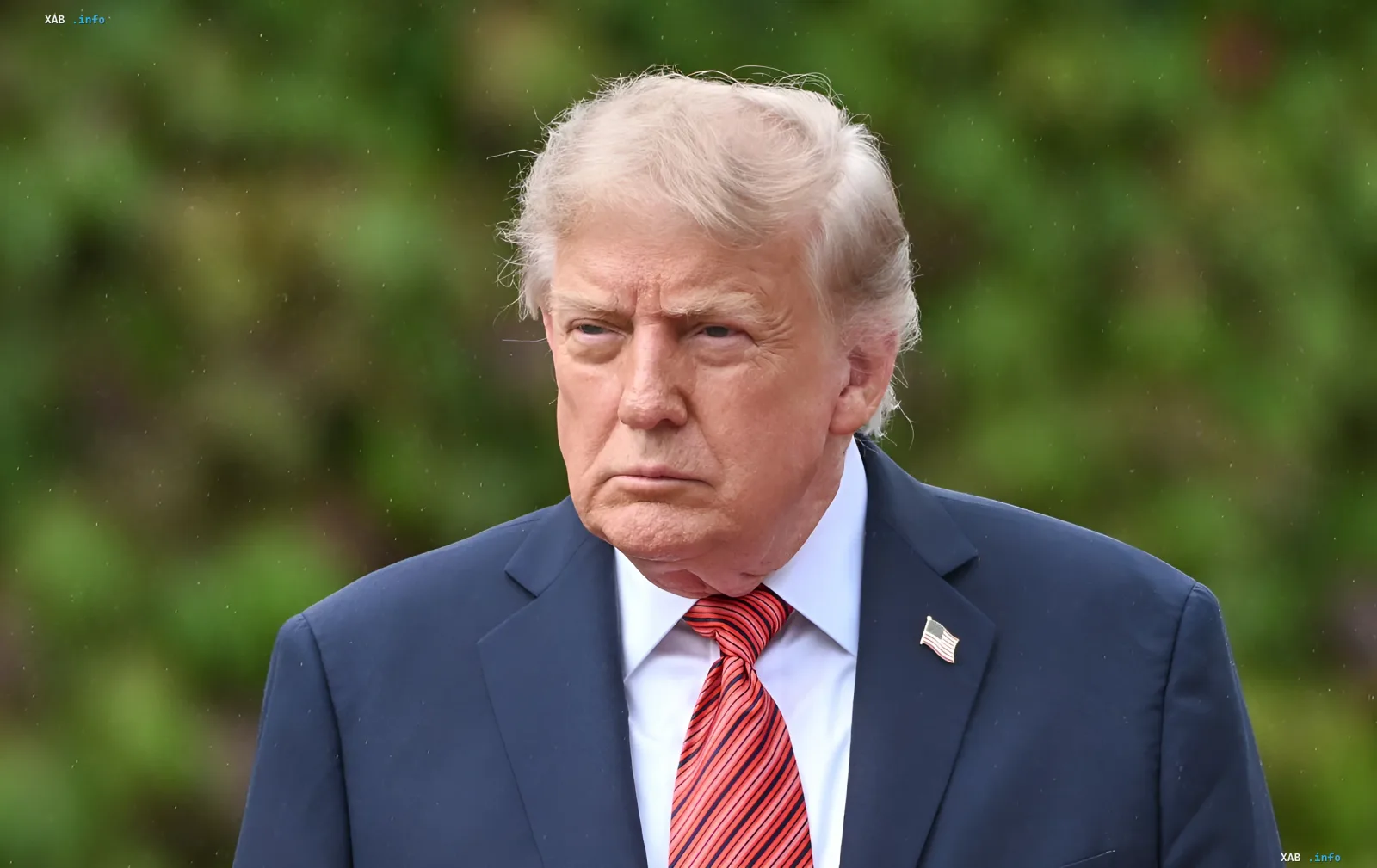
US intelligence has issued a sharp warning to Kyiv, demanding an immediate halt to all attacks on Russian energy infrastructure and oil refineries. Otherwise, Washington threatened to completely freeze the strategic exchange of intelligence data, which plays a critically important role in Ukraine's defense capabilities. This ultimatum was communicated through diplomatic and military channels on October 12, 2026, causing widespread resonance among Ukrainian officials.
The Essence of the Ultimatum and Washington's Reaction
According to the authoritative publication The Washington Post, the warning was so extensive that emergency calls and notifications were received by almost all Ukrainian officials involved in the security and defense sectors. US President Donald Trump, during a conversation with journalists on Tuesday, confirmed the provision of assistance and information sharing, emphasizing the American side's desire for a speedy end to the armed conflict. Nevertheless, Washington's tough demand to tie intelligence support to the cessation of strikes on Russian refineries puts the Ukrainian leadership before a difficult strategic choice.
Contradictory Data
Noticeable confusion arose in the information field regarding the technical details of the data exchange shutdown and warnings about missile threats. Ukrainian President Volodymyr Zelenskyy, in an interview with NPR, stated that for two nights in a row, partners failed to warn about ballistic missiles heading toward Kyiv. At the same time, Air Force spokesman Yurii Ihnat clarified that the warning failure occurred only before the first wave of the attack on the night of October 14, 2026, while information was transmitted routinely during the subsequent three waves. A European diplomat in Kyiv suggested a dual interpretation of the situation: it could be either direct pressure from Donald Trump's administration or Kyiv's desire to demonstrate to the public that intelligence had allegedly been cut off.
Frontline Consequences and Energy Situation
Against the backdrop of diplomatic tension, Russia continues massive strikes on Ukrainian critical infrastructure, despite the so-called energy truce previously announced by the American side. President Zelenskyy characterized the nighttime attacks as unprecedented disrespect by Moscow toward Washington's initiatives. An additional vulnerability factor was technical communication issues with Starshield terminals on Ukrainian drones, which on the night of October 14 began operating only at limited speeds. Moscow took advantage of these disruptions to launch one of the largest air attacks, further complicating the situation amid growing discrepancies in the partnership with the United States.