
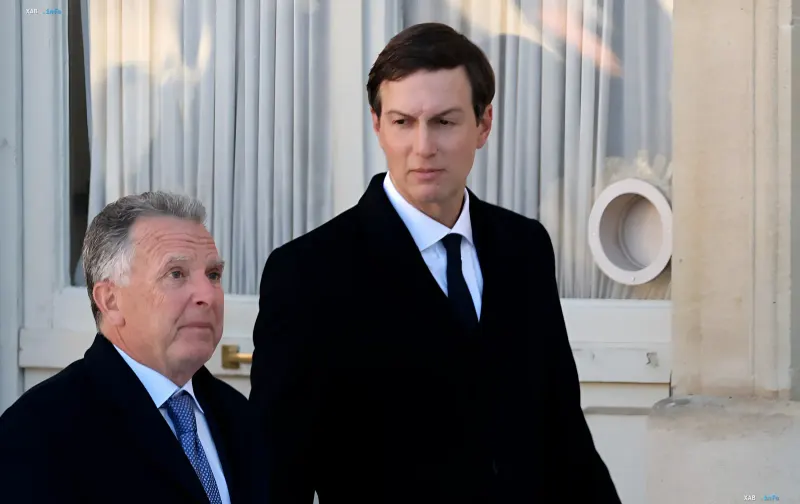
Tense diplomatic efforts to stabilize the situation in the Middle East continue in Doha. A senior US administration official confirmed that negotiations with regional leaders were successful, while technical consultations with Iran are showing progress. These steps are being taken against the backdrop of both sides' desire to de-escalate tensions following recent flare-ups.
Diplomatic Mission in Doha
Key figures of American diplomacy, Jared Kushner and Steve Witkoff, have returned to the Qatari capital to continue indirect negotiations. Their visit is a response to an agreement to cease mutual attacks previously reached between Washington and Tehran. The mission's goal is to conclude a long-term peace agreement that will replace the temporary ceasefire signed earlier in the month.
However, the format of the dialogue remains complex. Qatari sources clarify that direct meetings between President Donald Trump's top envoys and their Iranian counterparts are not planned. Instead, progress is being made at the level of technical negotiations conducted by lower-ranking representatives.
The Strait of Hormuz Factor
The central sticking point remains the issue of managing the Strait of Hormuz—a strategically vital waterway through which about one-fifth of the world's oil and liquefied gas supplies pass. Iran insists on gaining a certain degree of control over maritime traffic in the area and has expressed a willingness to introduce transit fees for ships.
Such an initiative has met with firm resistance from the US, European countries, and most Arab states of the Persian Gulf. The temporary agreement currently in effect provides for a 60-day moratorium on the collection of duties but leaves open the possibility of their introduction in the future, creating a zone of uncertainty for the negotiating parties.
Political Context and Economic Stakes
According to the Wall Street Journal, Donald Trump has decided not to resume a large-scale military campaign, indicating to his staff that he is prepared to extend the negotiation process beyond the August 18 deadline. This decision is dictated by the need to resolve economic issues, specifically the unblocking of billions of dollars in Iranian assets.
Nevertheless, the path to a final agreement remains thorny. The Iranian side previously refused direct dialogue with American envoys in Doha, putting forward its own conditions, including strict control over the observance of the ceasefire regime in the Strait of Hormuz. The uncertainty accompanying these discussions underscores the delicacy of the situation in which both sides find themselves.


