The United States Air Force has announced the search for contractors to develop a fundamentally new class of missile weaponry. The initiative, named Next Generation Counter-Small UAS Missile (NGCM), aims to create an effective means of combating small and medium-sized unmanned aerial vehicles (UAVs).
According to the technical specifications published on the US government portal, the military is seeking a solution capable of radically changing the tactics of countering "swarm" drone attacks, which have become a dominant factor on modern battlefields.
Technical Requirements and Cost-Effectiveness
A key factor in the success of the NGCM program is the balance between combat performance and cost. Given the mass use of cheap drones, the use of traditional surface-to-air missiles, which can cost millions of dollars, is economically unfeasible.
The new missile must meet the following strict criteria:
- Cost: The price of a single unit must not exceed $150,000 when procuring a batch of 5,000 units.
- Range and Altitude: Capability to engage targets at distances over 16 km (altitude up to 6 km) and over 25 km (altitude up to 8 km).
- Reaction Speed: The time from receiving the operator's command to missile launch must be less than 5 seconds.
These parameters are designed to ensure the interception of targets such as "Shahed" or similar small UAVs before they can damage critical infrastructure.
Integration into Existing Systems
Developers must account for compatibility with the current arsenal. The missile must be adapted for launch from the Coyote Launcher without the need for major structural modifications. This will allow the US military to rapidly deploy new defense systems using existing logistical chains and platforms.
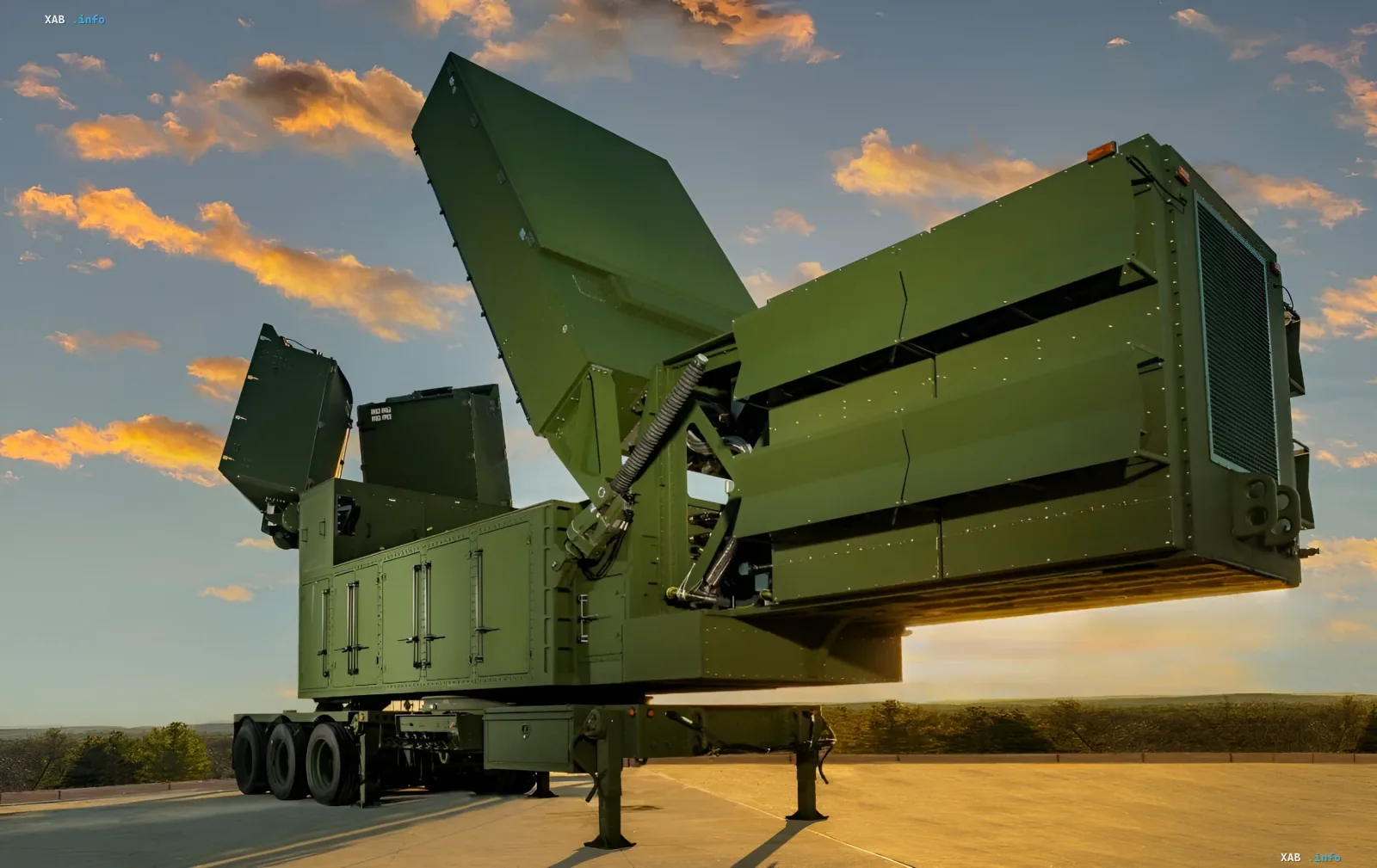
Furthermore, the system must integrate into the comprehensive US air defense network, supporting operation with radars of various classes: Sentinel A3/A4, LTAMDS, Patriot, and TPQ-53. A mandatory requirement is equipping the missile with an all-weather radio frequency seeker, ensuring effectiveness in complex weather conditions.
Program Implementation Schedule
The NGCM program has clear timelines. Completion of tests for the new weapon is planned by the end of fiscal year 2027. The first batch of 50 production missiles is expected in early fiscal year 2028.
Contradictory Data
In the context of developing new weaponry, the media notes certain contradictions in the current situation regarding the US arsenal. On one hand, the Pentagon is actively investing in creating new systems to fight drones, demonstrating readiness for large-scale procurement.
On the other hand, Reuters previously reported that, according to sources, the US military used "practically all" of its long-range precision surface-to-air missiles during the conflict with Iran, including ATACMS, PrSM, and Tomahawk. This points to a possible shortage of existing strike assets, making the NGCM program not just a modernization, but a critically important measure to fill gaps in defense.
At the same time, on the diplomatic front, US Treasury Secretary Scott Bessent stated that the US and Iran are on the verge of a peace agreement. If these claims are true, the need for urgent arsenal replacement may be overestimated; however, military plans are often built on scenarios that exclude diplomatic successes.