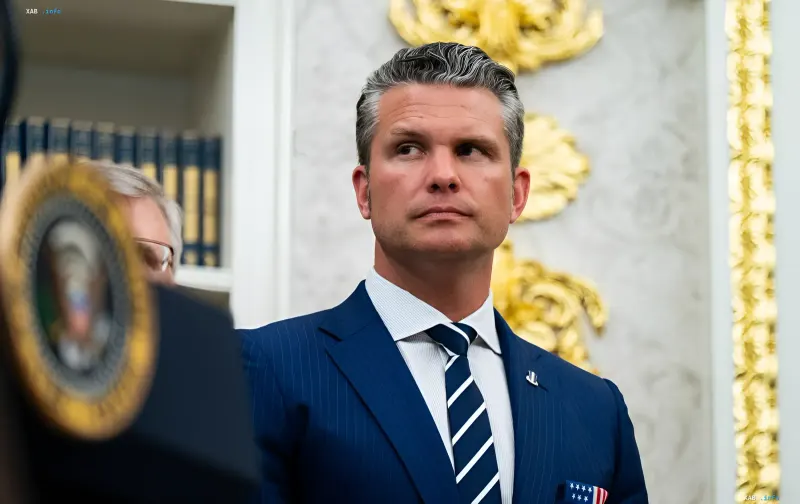
US Secretary of Defense Pete Hegseth has officially acknowledged the possibility of a large-scale redeployment of American military personnel from Europe to the Western Hemisphere. This announcement marks a potentially serious shift in the global military strategy of the United States, which for decades has focused primarily on the Euro-Atlantic direction and deterring threats in the Old World.
New Pentagon Strategy and Partners in Latin America
According to the Pentagon chief, Washington is already actively expanding its military and operational presence in Central and South America, working closely with key regional partners. As the main focal points of cooperation, Hegseth highlighted countries such as Ecuador, Honduras, Guatemala, and Panama. Such steps are directly linked to the tough stance of President Donald Trump's administration regarding Venezuela and the need to project power in the immediate vicinity of US borders.
Redistributing Responsibility with European Allies
Justifying the plans to withdraw part of the contingent from Europe, the defense minister referred to the new revision of the US national security and defense strategies. The key thesis of this document is shifting the burden of costs and security responsibility onto European NATO allies themselves. Washington insists that European countries must play a leading role in ensuring their own defense, allowing the Pentagon to free up scarce resources for other strategic theaters.
Contradictory Data
Despite loud statements from the Pentagon leadership, serious gaps and inconsistencies remain in the public domain regarding the details of the planned operation. Minister Hegseth refrained from announcing specific figures, timelines, and names of particular bases in Europe from which personnel are planned to be withdrawn. While the American side emphasizes optimizing the global alignment of forces and redistributing responsibilities, European analysts point to political disagreements between the White House and Brussels—including past friction over the refusal of European capitals to support military campaigns in the Middle East—as the true catalyst for Washington's drastic moves.
Implications for Transatlantic Security
Against the backdrop of these trends, European states are increasingly thinking about creating independent defense mechanisms and forming local alliances, relying solely on their own armed forces. The partial curtailment of the US presence, in particular plans to withdraw troops from Germany, finally draws a line under the era of unconditional security guarantees and requires Europe to revise its entire deterrence architecture.