
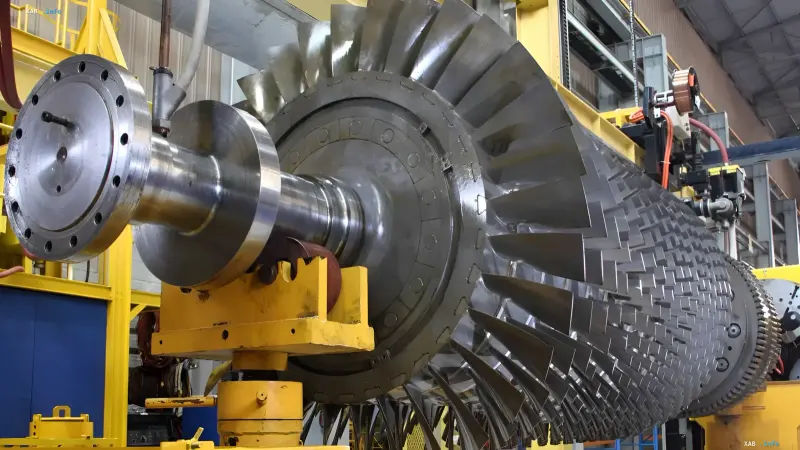
A fundamental shift has occurred in the global energy landscape, casting doubt on the pace of the global energy transition. According to the annual analytical report of the International Energy Agency (IEA), published in July 2026, the United States has surpassed China for the first time in the last decade in terms of investment volume in the construction and modernization of thermal power plants. Cumulative investments in fossil fuel generation in the US reached $50 billion, outpacing China's spending by approximately $3 billion.
AI as the Main Demand Driver
The reason for this phenomenon lies not in a rejection of the "green" agenda, but in an unprecedented technological leap. The primary factor changing the investment structure was the large-scale commissioning of data centers (DCs) serving artificial intelligence systems. Modern computing complexes are energy giants, consuming from 1 to several gigawatts of electricity.
Technology corporations such as Alphabet, Amazon, and Meta have faced a harsh necessity to ensure a continuous power supply cycle. The capacity utilization factor for such facilities must exceed 95%. In conditions where renewable energy sources (RES) cannot guarantee such stability on their own, industry giants have reoriented towards natural gas-based generation.
Equipment Shortage and the "Gold Rush" for Turbines
The sharp surge in demand has triggered a structural crisis in the engineering sector. During the first quarter of 2026, American generating companies and developers placed orders for gas turbines with a total capacity of about 20 gigawatts. Key market players, such as GE Vernova, were unprepared for such volume. The order book of the energy division of the former giant General Electric reached $18 billion in a single quarter.
The result was a critical increase in delivery lead times: waiting for equipment grew to 3–4 years. The heavy machinery market is experiencing unprecedented volatility. The specific cost of gas turbines soared from a baseline of $800 per 1 kW of capacity to more than $2,500 for the same unit. This increase had a multiplicative effect on related industries, accelerating production inflation in the energy construction sector.
The Macroeconomic Paradox
The situation demonstrates a complex macroeconomic paradox: despite regulatory commitments to reduce the carbon footprint, the world's two largest economies are forced to increase capital expenditures in traditional energy. Differences in approaches are obvious: the US is betting on relatively cheap domestic natural gas, while China continues the large-scale introduction of coal generation to support industrial growth.
IEA experts emphasize that guaranteed energy security during periods of technological transition requires maintaining reserve capacity of traditional generation at a level of no less than 20–25% of peak consumption. As AI demands more and more energy, the world is forced to find a balance between climate goals and the harsh reality of the digital boom.


