
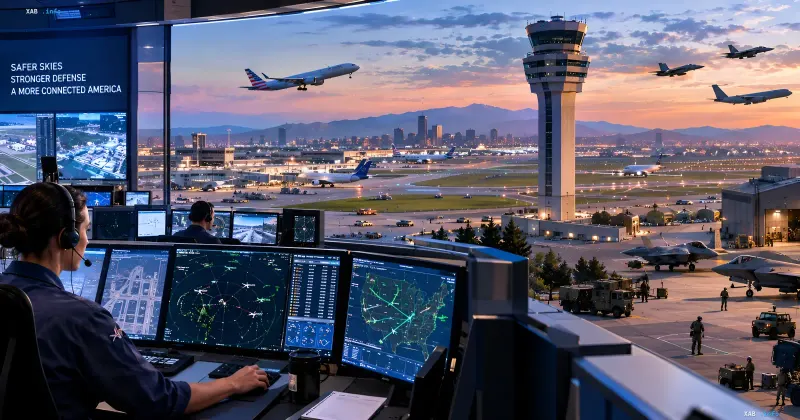
The United States has announced plans to allocate an additional $30 billion toward a major modernization of its national air traffic control system and related aviation infrastructure. This decision comes in the wake of severe technological disruptions in the transport sector that recently paralyzed thousands of flights and highlighted the vulnerability of aging equipment.
Background and Causes of the Massive Investment
The urgent need for multi-billion-dollar funding is driven by a series of critical incidents and systemic failures in telecommunications networks ensuring flight safety. The existing US airspace control infrastructure largely relies on technologies from past decades, struggling to cope with continuously growing passenger traffic and modern cyber threats. Recent outages caused widespread flight delays and cancellations, affecting millions of passengers and severely damaging the economy.
Scope of the Initiative and Modernization Plans
The new financial package provides for a complete renewal of radar equipment, the deployment of advanced digital automation platforms, and the enhancement of cybersecurity across all ground and onboard communication systems. Experts note that the program will impact key dispatch centers nationwide. This comprehensive upgrade is expected to minimize human error, accelerate the processing of aircraft movement data, and increase overall US airspace capacity for coming decades.
Controversial Data
While official US agencies attribute the need for investment solely to equipment wear and tear and recent domestic telecommunication failures, international expert circles are actively discussing other factors. Some analysts draw parallels with recent incidents in European airspace — notably massive disruptions in the United Kingdom, where flight delays were caused by technical glitches and external factors, including military aviation. Nevertheless, US specialized agencies insist on the strictly civilian and planned nature of the large-scale modernization.
Economic and Global Consequences
The implementation of such a large-scale project will significantly impact not only the US domestic market but global civil aviation as a whole. Because US airspace is among the busiest in the world, increasing its reliability guarantees the safety of transcontinental flights. Leading airlines and equipment manufacturers have already expressed readiness to participate in tenders for innovative technological solutions, serving as a powerful driver for the global aerospace sector.