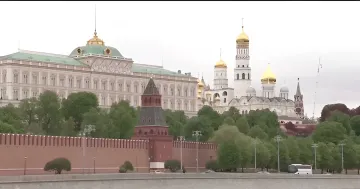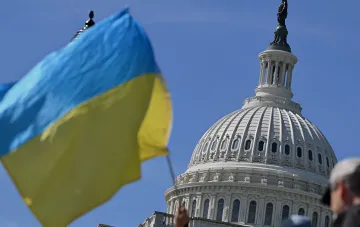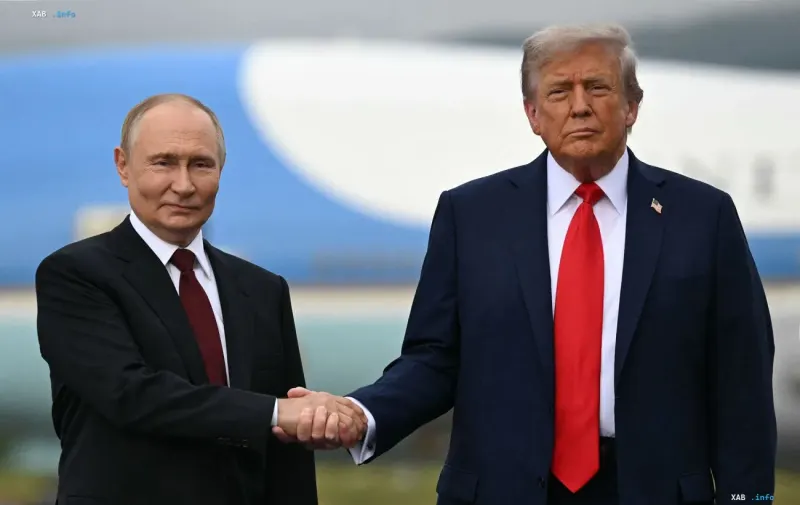
Representatives of the United States and Russia held high-level talks regarding the lifting of American sanctions against Russia's flagship Arctic LNG-2 project. As a reciprocal step, the participation of the Russian company Novatek in a major US gas project in Alaska worth 25 billion dollars was discussed. Details of these behind-the-scenes arrangements became known from an investigation by the British publication Financial Times, citing informed sources and internal documentation.
Financial Involvement Details and Management Resignations
According to former Polar Train LNG CEO Joel Riddle, the Russian company Novatek actually financed the Alaska gas terminal project and determined its strategic direction even before obtaining all necessary permits from official US authorities. Riddle stated that due to serious concerns over potential violations of sanctions, he was forced to step down in September. Following his departure, almost the entire top management of the company, including the chief financial officer, resigned.
The Financial Times reviewed correspondence in which a top manager at Novatek discusses the financing of the infrastructure project in Alaska and the acceleration of cross-border money transfers. The project was launched with the direct participation of investor Gentry Beach, who has close ties to the family of US leader Donald Trump. Following Riddle's departure, Tim Tokington, the former head of the Russian division of financial giant Goldman Sachs, became the interim CEO.
Context of Negotiations and Geopolitical Background
According to the publication's sources, issues of economic cooperation in the energy sector prominently figured in the dialogue between Washington and Moscow, which is being conducted against the backdrop of attempts to resolve the conflict surrounding Ukraine. The main bargaining chip in these consultations is potential assistance from the Russian side in building a major terminal in Alaska in exchange for the full lifting or easing of restrictive measures against Russia's large-scale Arctic LNG-2 project.
Experts note that such energy maneuvers fit into the overall logic of pragmatic interaction between Donald Trump's administration and the Russian leadership. Previously, agreements were reported regarding the supply of Russian diesel fuel to the global market, which also points to a partial revision of strict sanctions barriers against the domestic fuel and energy sector.
Prospects and Potential Market Impact
The potential implementation of the Alaska gas project with Russian capital participation could significantly alter the balance of power in global energy markets. On the one hand, attracting Novatek's investment and expertise could give an impulse to the development of Alaska's infrastructure. On the other hand, official formalization of such deals requires overcoming fierce resistance within the American establishment and finding compromises on the sanctions agenda.
Further developments will show whether Washington and Moscow can convert economic projects into political agreements. Any easing of sanctions pressure on flagship Russian LNG assets will set a precedent that could trigger a more large-scale transformation of the international trading architecture in the hydrocarbon sector.