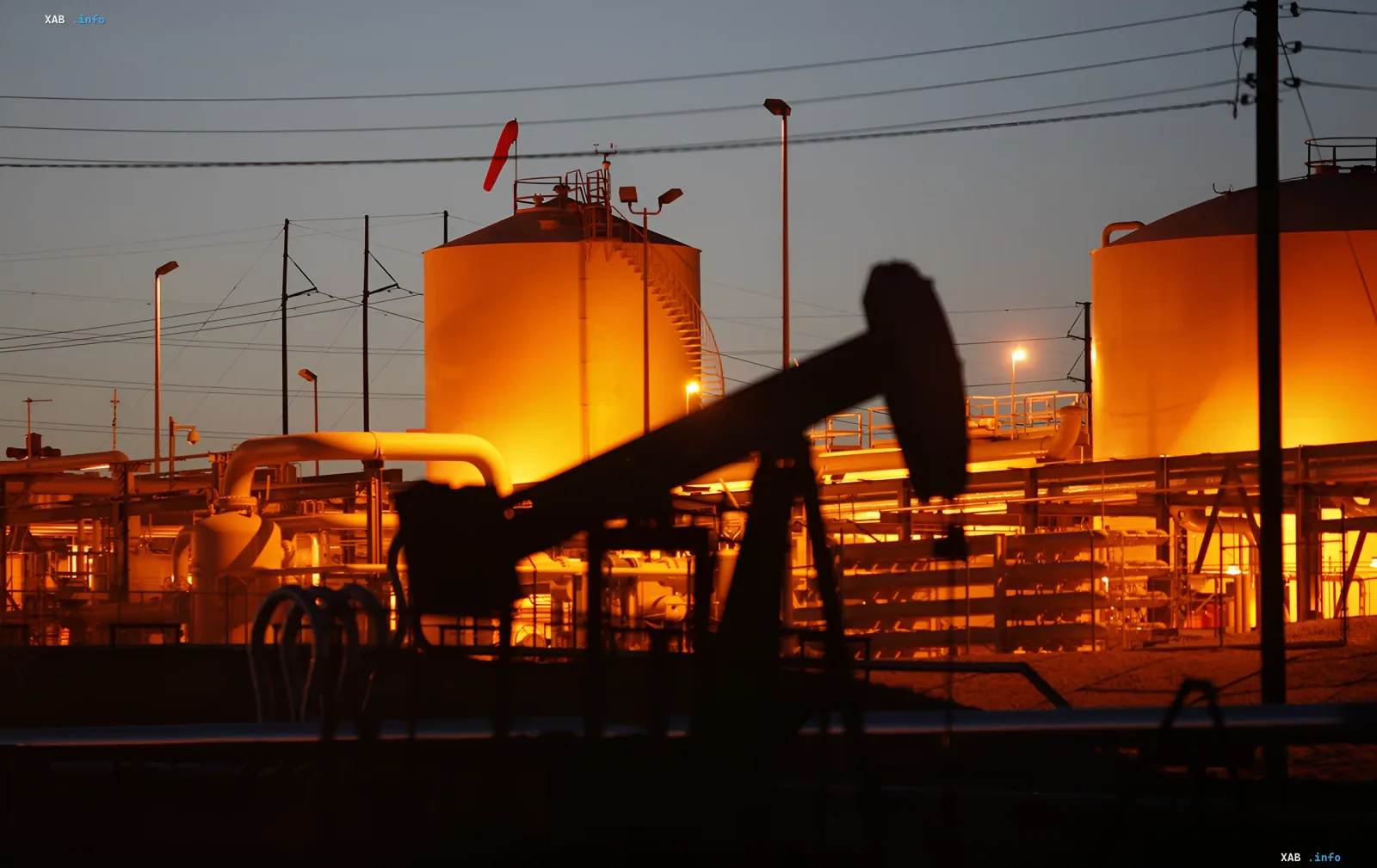
The global oil map has undergone unprecedented changes. The United States has officially become the world's largest oil exporter, displacing long-time leaders — Saudi Arabia and Russia — from the podium. This paradigm shift, recorded by Reuters analysts, is the result of a complex interplay of geopolitical conflicts and market dynamics.
The Rise of American Exports
The numbers speak for themselves. As of May, exports of crude oil and fuel from the US reached a record 10.5 million barrels per day. The country has held the lead for the third consecutive month. For comparison, during the same period, Russia exported 7 million barrels, and Saudi Arabia — 5.9 million.
The dynamics of change are striking. At the beginning of last year, the situation looked different: Saudi Arabia supplied 8.1 million barrels daily to external markets, while the US shipped only 6.6 million. However, events of recent years have radically changed the balance of power.
War and Sanctions as Catalysts
Military conflicts and sanction pressure played a key role in the change of leaders. The war between the US and Iran, which began in February 2026, blocked a significant portion of supplies from the Middle East. At the same time, Russia's exports faced serious problems due to Ukrainian drone attacks. Strikes on oil refineries and bases significantly reduced Moscow's export capabilities.
American companies instantly took advantage of the situation, filling the vacated niches in the global market. As Michelle Bruchard, head of policy at Kpler, noted, Washington has a new tool of influence that they did not suspect before the war with Iran — energy exports.
The Collapse of the OPEC Monopoly
The dominance of the US strikes a blow to the OPEC monopoly, depriving the organization of the ability to dictate prices. In May, the United Arab Emirates left the cartel, having been in the organization for almost 60 years. This became a powerful signal of the loss of influence of the oil alliance.
Moscow is also not hiding its irritation. The head of Rosneft, Igor Sechin, called American firms the main beneficiaries of the crisis, noting that the closure of the Strait of Hormuz brought them super-profits.
Market Mechanism vs. Quotas
It is important to note the fundamental difference in approaches. In Saudi Arabia and Russia, production volumes are determined by the government. In the US, it is different: the market depends on the decisions of private companies. When oil prices rise, firms in Texas simply increase production. This natural market mechanism turned out to be more effective than any quotas.
The American oil boom proved the fallacy of skeptics' forecasts. Ten years ago, no one believed that the former victim of an embargo would lead the world rankings. Since 2000, production in the US has almost tripled — to 22 million barrels per day.
New Dependence of Europe and Asia
Now Washington has a new lever of influence. Europe and Asia are massively switching to American raw materials. Due to sanctions against Russia and Iran, the EU receives 47% of all US exports. Asia has increased the share of oil purchases from the US to 46%.
EU officials perceive this boom ambiguously. Although they are happy to get rid of dependence on Russia, they fear becoming too dependent on the US. Nevertheless, Ukrainian strikes on Russia are already costing the Kremlin billions of dollars, reducing oil revenues. According to The Economist, if 335 such strikes were recorded in 2022-2024, then in 2025 alone, their number reached 658.


