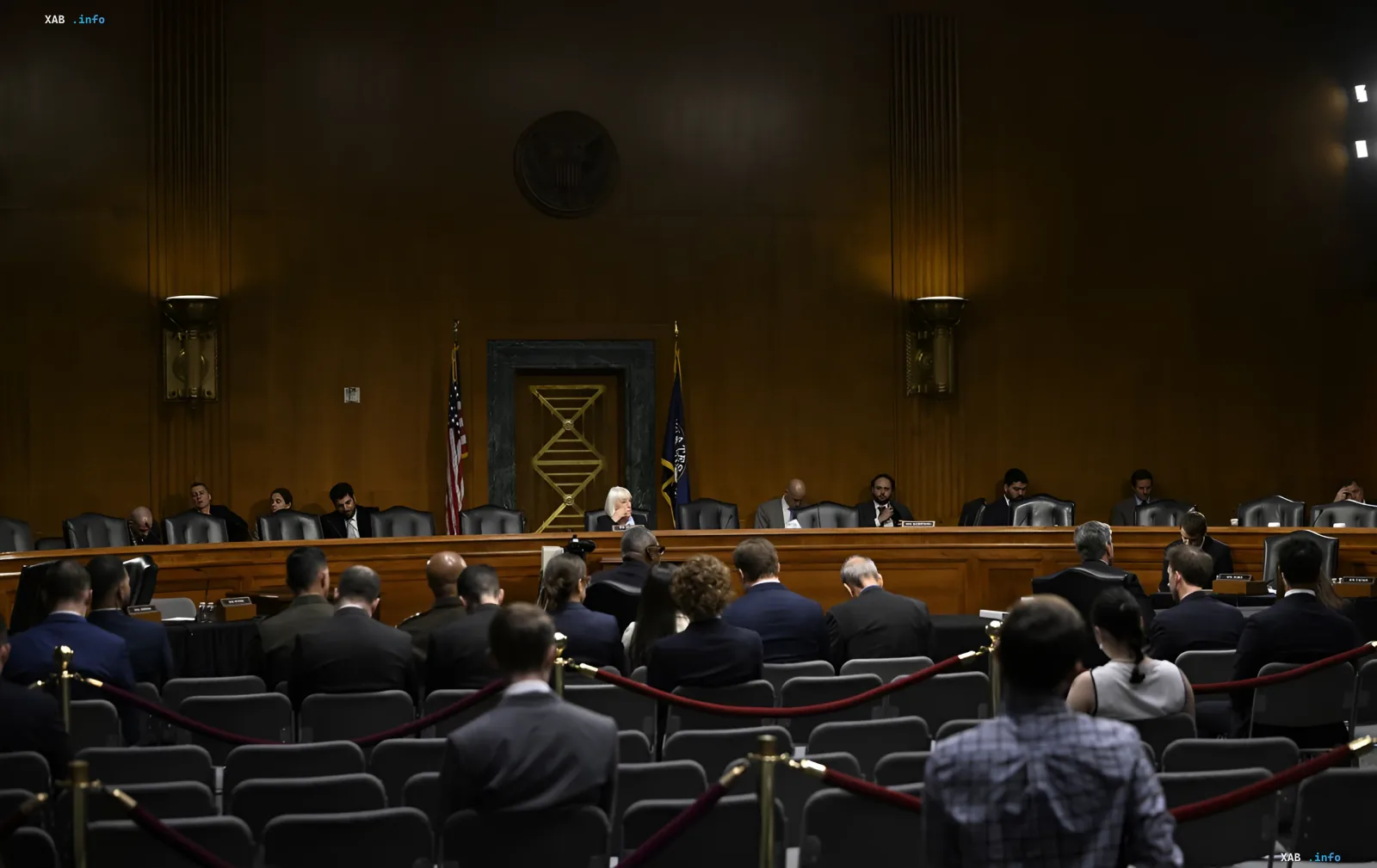
The US Senate Armed Services Committee has completed work on its version of the annual National Defense Authorization Act (NDAA). The bill, with a total funding volume of $1.15 trillion, contains two key decisions that could radically change the rhetoric and budget of US foreign policy.
Funding Aid to Kyiv
The bill text stipulates the allocation of $750 million under the Ukraine Security Assistance Initiative. These funds are intended to finance the purchase of weapons from American companies for the Armed Forces of Ukraine. Furthermore, the document contains strict political conditions: the bill prohibits the use of any funds to recognize Russian sovereignty over Ukrainian territories. Additionally, US agencies are required to provide Kyiv with intelligence support aimed at protecting and recovering these lands.
Renaming the Department of Defense
One of the most controversial points was the support for Donald Trump's idea to rename the US Department of Defense to the Department of War. The Senate committee supported this proposal, which aligns with the position of the House committee. However, Democrats in Congress oppose such a name change, considering it excessively aggressive.
Political Context and Next Steps
The bill is only at the initial stage of its path to adoption. After approval in the committees, it must pass a vote in both chambers of Congress, followed by the reconciliation of differences between the Senate and the House of Representatives. Only then can the document be sent to the President for signature or veto.
Last week, the House of Representatives already voted to provide aid to Ukraine and impose sanctions on Russia, despite resistance from Republican leadership. Meanwhile, Trump's special envoy, Keith Kellogg, announced a pause in negotiations between Ukraine, the US, and Russia, noting certain positive aspects in it. Leaders of France, Germany, and Britain are preparing to persuade Trump to change his approach to negotiations with Moscow.
The situation on the front lines remains tense. Vladimir Putin rejects a ceasefire, refuses the presence of European troops in Ukraine, and demands that Kyiv cede part of the Donetsk region that Russia has not yet captured. Ukraine categorically rejects these conditions.


